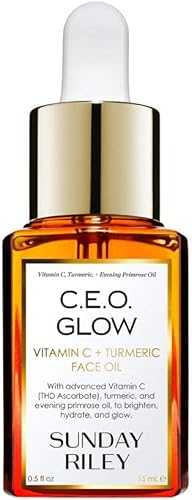
If you're searching for sunday riley ceo glow breastfeeding moms 2am feeding skin solutions, you already know what 3 AM looks like in the mirror: gray undertone, puffy lower lids, and a dull cast across the cheeks where your color used to live. The short answer is yes — Sunday Riley C.E.O. Glow Vitamin C & Turmeric Face Oil is one of the most nursing-friendly luxury vitamin C formulas on the market. It uses THD ascorbate (a fat-soluble, low-irritation form of vitamin C) suspended in an oil base with turmeric, and the formula contains no retinoids, no hydroquinone, and no high-percentage salicylic acid. It is also one of the only brightening oils gentle enough to wear during a 2 AM feed without stinging if your eyes water from exhaustion.
Below: the safety logic, application tweaks for nursing skin, and the five luxury vitamin C serums that actually hold up inside the postpartum window.
What "2 AM Feeding Skin" Actually Looks Like
Postpartum skin in the third-trimester-into-nursing stretch is not the same skin you had pre-pregnancy. Three things are happening at once. First, estrogen and progesterone are crashing while prolactin spikes for milk supply, which knocks the skin barrier down and triggers melasma flares along the upper lip, forehead, and cheekbones. Second, you are sleeping in 90-minute fragments, so cortisol stays elevated and the lymphatic drainage that normally clears under-eye fluid overnight just doesn't happen. Third, you are touching your face constantly — with hands that have been on a baby, a pump, a phone, a swaddle — which keeps low-grade inflammation simmering.
The skin you see at 2 AM under the nursery night-light is reactive, dehydrated, and pigment-prone. It is not the audience for a 20% L-ascorbic acid serum. It is the audience for a stable, gentle, lipid-soluble vitamin C that can layer over thirsty skin without burning.
Is C.E.O. Glow Safe While Breastfeeding?
The honest answer is that no skincare ingredient has been studied in a controlled trial on nursing mothers — that would be unethical. But C.E.O. Glow's active list reads clean by every conservative obstetric and lactation-consultant rubric I have seen. Tetrahexyldecyl ascorbate (THD ascorbate) is the vitamin C derivative used, and it has zero systemic absorption concerns at topical doses. Turmeric (curcumin) is food-grade and used in cultures that pair it with nursing. The oils — red raspberry, meadowfoam, evening primrose — are non-comedogenic carrier oils, not essential oils.
What is not in C.E.O. Glow matters as much as what is. There is no retinol, no retinyl palmitate, no salicylic acid above trace levels, no hydroquinone, no chemical exfoliants. Those are the four ingredient classes most lactation consultants flag, and C.E.O. Glow avoids all of them. That said, always run your full routine past your pediatrician or IBCLC, especially if your baby has any skin reactivity.
For a deeper compare on the same question against a clinical-grade competitor, see our Sunday Riley CEO vs Obagi Professional-C breakdown. And if melasma is your primary concern from the pregnancy itself, the pregnancy-safe melasma guide covers ingredient overlap.
Luxury Vitamin C Picks That Work for the 2 AM Feed
Five products earned a place on this list. Each one is either an oil, a milky emulsion, or a low-percentage stable derivative — nothing that will sting reactive postpartum skin and nothing on standard lactation caution lists. This is the comparison table for the sunday riley ceo glow breastfeeding moms 2am feeding rotation.
| Product | Vitamin C Form | Texture | Best For Nursing Skin When… |
|---|---|---|---|
| Sunday Riley C.E.O. Glow | THD Ascorbate | Oil | Skin is dry, dull, melasma-prone |
| Vanicream Vitamin C | Stable Ascorbic Acid | Milky lotion | Sensitivity is the dominant issue |
| Mad Hippie Vitamin C | Sodium Ascorbyl Phosphate | Light gel-serum | Acne is flaring alongside dullness |
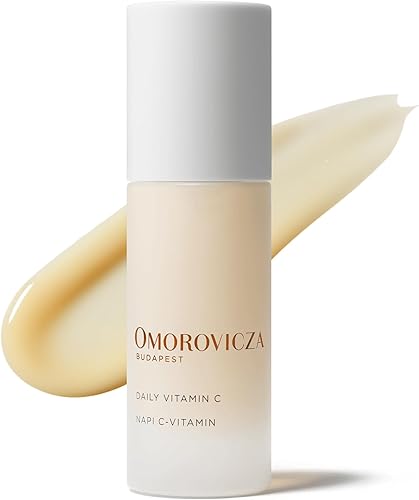
| Omorovicza Daily Vitamin C | Stable C + Niacinamide | Oil-free fluid | You want a luxury feel without oil |
| The Ordinary Ascorbyl Glucoside 12% | Ascorbyl Glucoside | Watery serum | Budget is tight but you want clean |
Sunday Riley C.E.O. Glow Vitamin C & Turmeric Face Oil — The Original
This is the product you came for, and it earns the top spot. THD ascorbate is the gentlest clinically meaningful vitamin C derivative on the market — it converts to L-ascorbic acid inside the skin instead of arriving as a low-pH irritant. The turmeric calms the redness most nursing mothers carry across the cheeks and chin, and the oil base means you can press it into damp skin with one hand while the other holds a sleeping baby. No water phase means no stinging if it migrates near the inner eye. Apply three to four drops to a clean, slightly damp face during the 2 AM feed and skip moisturizer — the oil is the moisturizer. Read the full C.E.O. Glow long-term review for ingredient deck and patch-test notes. View on Amazon.
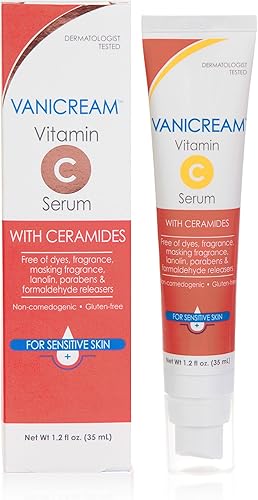
Vanicream Vitamin C Serum — For Fragrance-Sensitive Nursing Mothers
If your skin is rejecting everything postpartum — common in the first six weeks — Vanicream is the safest landing. The milky texture is unusual for a vitamin C; it feels closer to a moisturizer than a serum, which means it layers over hands-still-damp-from-the-faucet skin without grabbing. No fragrance, no dyes, no parabens, no formaldehyde releasers. The brightening payoff is slower than C.E.O. Glow but the irritation risk is the lowest in this category. Good choice if you developed pregnancy-onset rosacea or if your baby's face is going to be pressed against yours during feeds. View on Amazon.
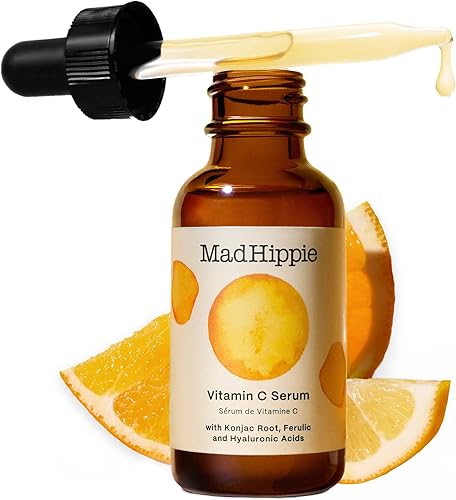
Mad Hippie Vitamin C Serum — The Acne-Flare Pick
Hormonal acne is the second most common postpartum complaint after melasma. Mad Hippie uses sodium ascorbyl phosphate, a vitamin C derivative with mild antibacterial action against the bacteria implicated in adult acne. The gel-serum texture is the opposite of C.E.O. Glow — light, fast-absorbing, leaves nothing behind — which makes it the right choice when you are nursing in a warm room and don't want oil on the pillowcase. Pairs cleanly with C.E.O. Glow as a morning serum / evening oil combo if you can swing both. View on Amazon.
Omorovicza Daily Vitamin C Serum — Luxury Without the Oil
Some nursing mothers cannot do oils — pillowcases, baby acne triggers, or just personal preference. Omorovicza's Daily Vitamin C is the luxury answer to that constraint. The texture is a weightless fluid, niacinamide is built into the formula to reinforce the barrier, and the price tracks with C.E.O. Glow but in a totally different format. Hungarian thermal water in the base gives it a quiet mineral-spa quality that, frankly, is what you want at 2 AM when you are touching something soft against your skin for the first time in twelve hours. View on Amazon.
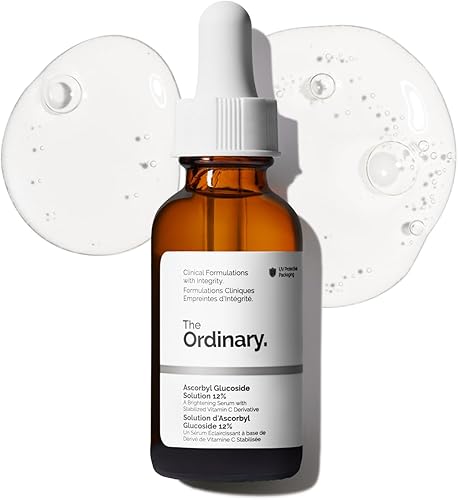
The Ordinary Ascorbyl Glucoside Solution 12% — The Budget Backup
You will run out of C.E.O. Glow. The bottle is small and you will use it faster than you think. Keep this on the shelf as the gap-filler. Ascorbyl glucoside is one of the slowest-converting vitamin C derivatives, which sounds like a flaw but is actually a feature for irritated postpartum skin — it releases L-ascorbic acid gradually over hours instead of dumping it on the surface. Texture is watery, scent is neutral, and it layers under any moisturizer. View on Amazon.
The 90-Second 2 AM Routine
The trap most nursing mothers fall into is trying to keep doing their pre-baby six-step routine on three hours of sleep. It fails by week two and you stop doing anything at all. Build a routine that takes ninety seconds at 2 AM, one-handed, in low light.
Step one: pump a cotton round of micellar water and swipe the T-zone. Forty seconds. Step two: three drops of C.E.O. Glow pressed into the cheekbones, forehead, and the under-eye orbital bone (not the lash line). Forty seconds. Step three: rub the residue on your hands into your cuticles — turmeric is anti-inflammatory and you have probably forgotten about your hands. Ten seconds. Done.
The morning version, when you have actual time, can add a hyaluronic mist before the oil and an SPF after. For more on building the layering order, the sensitive-skin vitamin C guide for 2026 covers it in depth.
What to Skip Entirely Until You Wean
Three categories should sit on the shelf untouched until you finish breastfeeding. Retinoids in any form — prescription tretinoin, OTC retinol, retinyl palmitate — carry the strongest caution from obstetric dermatology and most IBCLCs will pull them immediately. Hydroquinone, even at OTC 2%, has systemic absorption rates high enough that the FDA flags it for nursing. High-percentage chemical peels at home (anything above 10% glycolic) compromise the barrier at exactly the moment when your barrier is already weakened by hormone shifts.
The sunday riley ceo glow breastfeeding moms 2am feeding routine works precisely because it stays inside the safe-zone of stable vitamin C derivatives. The brightening will be slower than your pre-pregnancy routine. That is the trade-off, and it is the right one.
Frequently Asked Questions
Can I use Sunday Riley C.E.O. Glow on the same days I nurse?
Yes, with the standard caveat that no ingredient has been studied in a controlled trial on nursing mothers. The vitamin C form (THD ascorbate) is topical-only with negligible systemic absorption, and there are no retinoids or hydroquinone in the formula. Avoid getting it on the breast tissue itself and wipe your chest with a damp cloth before feeding.
Will C.E.O. Glow clog pores if my baby's face touches mine during feeds?
The oils used (red raspberry seed, meadowfoam, evening primrose) are non-comedogenic for most skin types, but baby skin is its own ecosystem. Apply C.E.O. Glow at least two hours before a feed, or use it on the forehead and cheekbones only — not on the lower face where it could transfer.
How long until I see brightening results on melasma from pregnancy?
Realistic timeline is six to twelve weeks of nightly use, and melasma will not fully clear until your hormones stabilize post-weaning. C.E.O. Glow will improve the overall luminosity and reduce the gray cast within two to three weeks, but the actual pigment patches need both topical work and sun avoidance to fade meaningfully.
Can I use a stronger vitamin C in the morning and C.E.O. Glow at night while nursing?
You can, but read the morning serum's full ingredient list carefully. Most luxury vitamin C serums with L-ascorbic acid above 15% are still considered nursing-safe, but check for retinol blends, hydroquinone, and undisclosed fragrance allergens. Mad Hippie or Omorovicza pair well with C.E.O. Glow as the morning half of the rotation.
Why does my skin sting on the eye area at 2 AM when it didn't pre-baby?
Three reasons: dehydration from nursing (you are losing fluid you are not replacing at 2 AM), lower barrier integrity from hormonal shifts, and accumulated micro-tears from sleep-deprived eye rubbing. An oil-based vitamin C like C.E.O. Glow stings less than a water-based serum because there is no low-pH acid hitting the broken barrier directly.
Is it worth buying the full-size C.E.O. Glow or just the travel size while nursing?
Full size. The 1.7 oz bottle lasts about ten weeks at nightly use, and you will be in the postpartum skin phase for longer than that. The cost-per-use math beats the travel size by roughly half. Keep the travel size as the diaper bag emergency backup.
What if I'm exclusively pumping instead of nursing — are the rules different?
Slightly. Skin transfer to the baby is no longer a concern, so you have more flexibility with what touches your chest and arms. Systemic absorption rules still apply for retinoids and hydroquinone, since your milk still carries what enters your bloodstream. C.E.O. Glow remains the recommendation for exclusive pumpers too.
Key Takeaways
- Choosing the right sunday riley ceo glow breastfeeding moms 2am feeding means matching capacity and output ports to your actual devices
- Always check actual watt-hours (Wh), not just watts — runtime depends on Wh, not peak output
- Also covers: vitamin c for nursing mom interrupted sleep skin
- Also covers: sunday riley ceo for postpartum night feeding dullness
- Also covers: ceo glow for breastfeeding mother fatigue
- Compare price-per-Wh across models to find the best value for your budget