As an Amazon Associate this site earns from qualifying purchases.
If you're considering drunk elephant c firma for melasma during pregnancy, the short answer is that the formula's hero ingredient — L-ascorbic acid (15%) — is widely considered pregnancy-compatible by dermatologists and OB-GYNs. That said, "compatible" isn't the same as "ideal," and pregnancy-driven melasma (chloasma, or the "mask of pregnancy") behaves differently than the sun spots C-Firma was originally built to address. This guide walks through what the serum actually contains, which ingredients in your routine matter most when hormones are driving pigment, and the gentler vitamin C alternatives many derms reach for during the second and third trimesters.
The short answer on C-Firma during pregnancy
Drunk Elephant C-Firma Fresh Day Serum is built around three actives: 15% L-ascorbic acid, 0.5% ferulic acid, and 1% vitamin E. None of these are on the standard "avoid during pregnancy" list maintained by the American College of Obstetricians and Gynecologists or major dermatology bodies. Topical vitamin C is poorly absorbed systemically — only a small fraction crosses the stratum corneum, and even less reaches the bloodstream — which is why it sits in the "generally regarded as safe" tier alongside niacinamide, azelaic acid, and most hyaluronic acid serums.
Finding the right drunk elephant c firma for melasma during pregnancy comes down to matching the features to how you will actually use it.
- BRIGHTENING VITAMIN C SERUM: Targets signs of aging by brightening and visibly evening out skin tone, and provides with antioxidant protection
- WATER-SOLUBLE VITAMIN C: Formulated with Ascorbyl Glucoside, a derivative of vitamin C that converts into the active form once applied to the skin, which helps minimize the
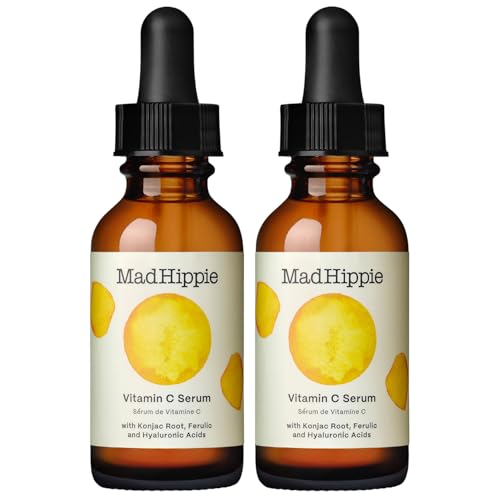
- CLEAN VITAMIN C SERUM: 0% IRRITATION IN CLINICAL TESTING Made with stable Sodium Ascorbyl Phosphate (SAP), a form of Vitamin C that won’t oxidize or sting. In clinical testing, 0%
- C + E + FERULIC ACID ANTIOXIDANT SYSTEM: Not just vitamin C — a complete antioxidant trio. Vitamin C, Vitamin E, and Ferulic Acid work together to brighten, defend against
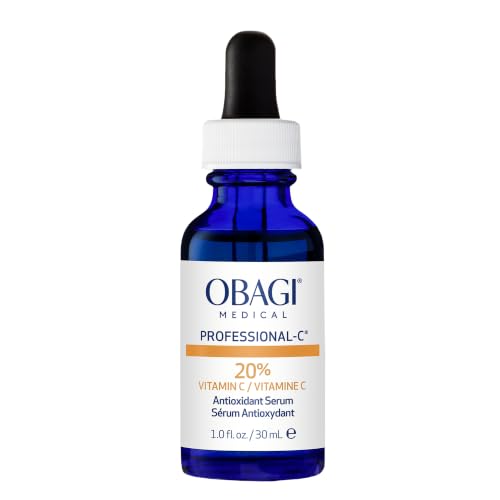
- Lighten skin discolorations, moisturize and hydrate skin to improve both texture and tone
- Superior delivery system, resulting in greater penetration to all layers of the skin
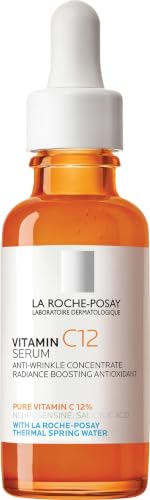
- This facial serum hydrates and enhances radiance, making it an ideal self care gift for women & men. It tackles wrinkles and uneven skin tone effectively
- Anti Aging Serum: Concentrated with pure vitamin C and hyaluronic acid, this serum visibly reduces wrinkles and refines skin texture, serving as an excellent anti aging serum
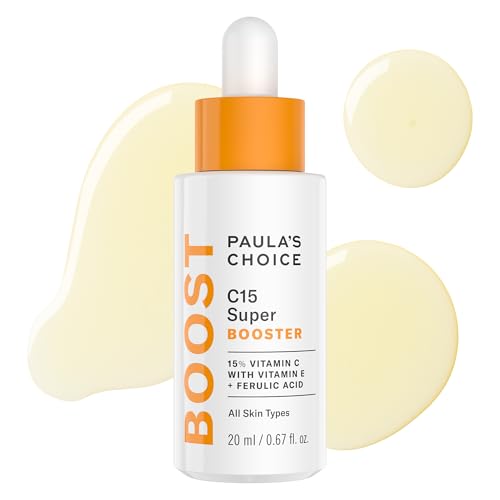
- 15% PURE L-ASCORBIC ACID: 15% vitamin C gently brightens skin, improves the appearance of wrinkles & boosts glow in 15 minutes–without irritation
- FERULIC ACID: This antioxidant-rich face serum with ferulic acid helps defend against visible signs of aging, protects skin from environmental damage, and works with Vitamins C &
How C-Firma compares to pregnancy-friendlier vitamin C serums
Several luxury and clinical vitamin C serums offer similar brightening with formulations that are gentler, more stable, or better suited to reactive pregnancy skin. Here's a side-by-side of relevant options:
| Serum | Vitamin C type | Strength | Pregnancy notes |
|---|---|---|---|
| Drunk Elephant C-Firma | L-ascorbic acid | 15% | Effective but potent; can sting reactive skin |
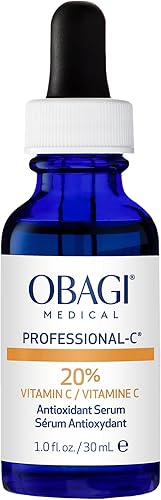
| Obagi Professional-C 15% | L-ascorbic acid | 15% | Similar strength, longer shelf-life, fragrance-free |
| La Roche-Posay Pure C 12% | L-ascorbic acid | 12% | Lower irritation potential, pharmacy-gentle |
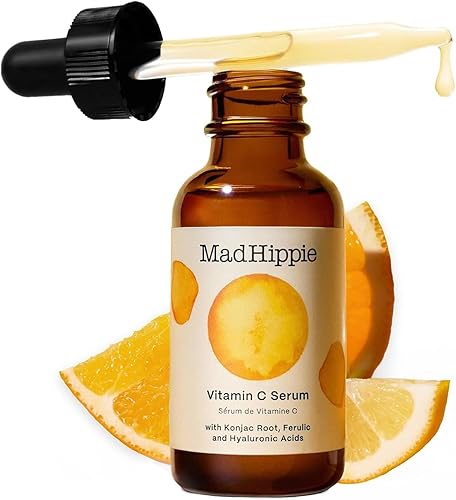
| Mad Hippie Vitamin C | Sodium ascorbyl phosphate | ~10% | Lowest-irritation derivative, tolerated well |
| Paula's Choice C15 Booster | L-ascorbic acid | 15% | Fragrance-free, mix-into-moisturizer flexibility |
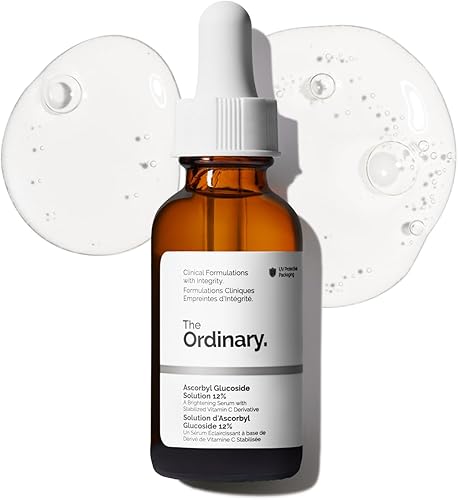
| The Ordinary Ascorbyl Glucoside 12% | Ascorbyl glucoside | 12% | Mildest derivative, good first-trimester pick |
The legitimate concerns with C-Firma during pregnancy aren't toxicity but tolerance. Pregnancy skin tends to be more reactive, the 15% L-ascorbic acid concentration can sting on freshly compromised or sun-flushed skin, and melasma itself is notoriously stubborn — vitamin C alone rarely clears it without aggressive photoprotection and, often, complementary actives like azelaic acid that pull more weight against hormonal pigment. None of this article is medical advice; clear any new product with your OB-GYN or dermatologist before adding it during pregnancy.
Why melasma shows up (or worsens) in pregnancy
Melasma during pregnancy is driven primarily by elevated estrogen, progesterone, and MSH (melanocyte-stimulating hormone), which prime melanocytes to overproduce pigment in response to UV, visible light, and even heat. That's why it concentrates on the cheeks, upper lip, forehead, and jawline — the high-exposure zones. Until those hormones normalize postpartum (and often for months after), the underlying driver remains active, which means topical brighteners are working against the tide.
This matters for how you should think about drunk elephant c firma for melasma during pregnancy: vitamin C is best treated as part of a defensive, prevention-first routine rather than an active eraser. It inhibits tyrosinase (the enzyme that converts tyrosine into melanin), neutralizes UV-generated free radicals, and helps SPF perform better — all valuable during pregnancy. What it won't do alone is reverse established patches when hydroquinone, tretinoin, and chemical peels are off the table.
How to use C-Firma safely if you choose to keep it
If your derm or OB has cleared C-Firma for you, a few adjustments make it gentler and more sustainable through nine months:
- Buffer it. Apply over slightly damp skin or layer a hydrating essence underneath. The 15% L-ascorbic acid concentration is potent; buffering reduces sting without meaningfully reducing efficacy.
- Drop the frequency. Every other morning instead of daily is plenty during pregnancy, especially if you're stacking it with azelaic acid.
- Pair it with mineral SPF only. Zinc oxide and titanium dioxide are the only sunscreens currently considered fully pregnancy-safe by both ACOG and most dermatologists. Chemical filters absorb systemically and aren't worth the gamble while you're pregnant.
- Skip the retinol layer. If you were using Drunk Elephant A-Passioni or any prescription retinoid, pause it. Retinoids are the clearest "no" during pregnancy.
- Watch for oxidation. C-Firma oxidizes faster than many luxury C serums (the formula is famously short-dated). If yours has turned dark orange or smells off, replace it — oxidized vitamin C can be pro-oxidant and irritating, which reactive pregnancy skin doesn't need.
Obagi Professional-C Serum 15%
If you want the L-ascorbic acid strength of C-Firma in a formulation built for sensitive skin and a longer shelf life, Obagi's Professional-C 15% is the closest medical-grade swap. It's prescribed routinely by dermatologists for melasma support and is fragrance-free, which matters when pregnancy heightens scent sensitivity. The trade-off is the texture skews thinner and more clinical than the cushiony Drunk Elephant feel. Obagi Medical Professional-C Vitamin C Serum.
La Roche-Posay Pure 12% Vitamin C Serum
For pregnancy skin that's gone reactive, La Roche-Posay's Pure 12% formula steps the L-ascorbic acid concentration down slightly while adding hyaluronic acid for cushion. Opt for the normal-skin formula rather than the oily-skin variant during pregnancy — the oily version includes salicylic acid, and while low-percentage topical salicylic is broadly considered fine, many derms prefer to err conservative. It's a noticeably calmer experience than C-Firma at a fraction of the price. La Roche-Posay Pure 12% Vitamin C Serum For Face With Hyaluronic Acid &.
Mad Hippie Vitamin C Serum
If sting is the dealbreaker, Mad Hippie uses sodium ascorbyl phosphate — a vitamin C derivative that converts to ascorbic acid in the skin but doesn't carry the pH-driven irritation of straight L-ascorbic. It's one of the most pregnancy-tolerant vitamin C options on the market, and the ferulic-acid-and-vitamin-E pairing makes it a meaningful antioxidant shield against the UV-driven flares that worsen melasma. Mad Hippie Vitamin C Serum for Face 2-Pack – C + E + Ferulic Acid, Hyaluronic Acid, Stable Low-Irritation Formula, Brightening, 1.02 Fl Oz Ea.
Paula's Choice BOOST C15 Super Booster
Paula's Choice's C15 Booster matches C-Firma's 15% L-ascorbic acid concentration but in a fragrance-free, mix-into-moisturizer format that lets you dial intensity down during reactive weeks and back up postpartum. The peptide and vitamin E support helps brightness without adding actives that conflict with pregnancy guidelines, and the dropper format keeps the formula stable longer than C-Firma's open-mouth pump. Paula's Choice BOOST C15 Super Booster.
The Ordinary Ascorbyl Glucoside Solution 12%
For first-trimester routines when reactivity is highest, ascorbyl glucoside is the gentlest functional vitamin C. The 12% concentration delivers brightening support without the pH-related tingle that comes with L-ascorbic acid. It's not as potent as C-Firma on dark spots, but it's a sensible holding pattern until postpartum, when you can graduate back to higher-strength L-ascorbic acid. The Ordinary Ascorbyl Glucoside Solution 12%.
The rest of your melasma routine matters more than the C
Vitamin C is supporting cast for pregnancy melasma. The lead actors:
- Mineral SPF 30+ every single morning, reapplied at midday. Visible light penetrates clothing and clouds; tinted mineral sunscreens with iron oxides are the gold standard because they block the wavelengths that drive melasma flares.
- Azelaic acid 15-20%, the only prescription-strength brightener considered safe during pregnancy. It inhibits tyrosinase, calms inflammation, and pulls real weight against hormonal pigment.
- A wide-brim hat and shade behavior. Behavioral photoprotection outperforms any topical for melasma.
- Patience. Most pregnancy melasma fades partially postpartum as estrogen drops. Aggressive treatment during pregnancy often disappoints; thoughtful prevention pays off.
For more on layering vitamin C with the rest of your routine, see our guide on pairing vitamin C serums with skincare and how to use luxury vitamin C serums day to day.
Should you switch off C-Firma entirely?
Not necessarily. If you're tolerating C-Firma well, it's been cleared by your provider, and you're pairing it with mineral SPF, you can reasonably continue it through pregnancy. The case for switching is stronger if you're experiencing new sting or redness, your bottle is more than three months old, or your melasma is actively worsening and you'd benefit from a higher-stability formula that won't oxidize as quickly. The case for staying is strongest in trimester two, when reactivity often settles and antioxidant defense against UV becomes the priority.
For deeper context on how C-Firma stacks up against its most direct luxury competitor, our SkinCeuticals C E Ferulic vs Drunk Elephant C-Firma comparison walks through the formulation differences in detail, and our roundup of best vitamin C serums for sensitive skin in 2026 covers the gentlest reactive-skin options.
Frequently Asked Questions
Is vitamin C serum safe during the first trimester?
Topical vitamin C is generally considered safe across all three trimesters. The first trimester is when skin reactivity tends to spike, so many dermatologists suggest dropping concentration (12% instead of 15-20%) or shifting to a gentler derivative like sodium ascorbyl phosphate or ascorbyl glucoside until the second trimester. Always confirm with your OB-GYN before starting any new active serum.
Can drunk elephant c firma fade melasma during pregnancy?
Realistically, not on its own. Drunk elephant c firma for melasma during pregnancy works best as part of a prevention strategy: it neutralizes UV-driven free radicals and supports tyrosinase inhibition, but pregnancy melasma is hormonally driven and rarely fades meaningfully until estrogen normalizes postpartum. Pair it with mineral SPF, azelaic acid, and strict sun avoidance for the best in-pregnancy results.
What ingredients should I avoid for melasma while pregnant?
Skip retinoids (tretinoin, retinol, retinaldehyde, adapalene), hydroquinone, oral tranexamic acid, high-strength salicylic acid peels, and chemical sunscreens with oxybenzone or octinoxate. These are the major flagged categories for pregnancy melasma routines. Glycolic acid at low percentages is typically considered okay; high-percentage AHA peels should wait until postpartum.
Is L-ascorbic acid the same as vitamin C for pregnancy safety?
L-ascorbic acid is the most active form of topical vitamin C and is the form in C-Firma. It's considered pregnancy-safe at typical cosmetic concentrations (10-20%), though it's more irritating than gentler derivatives like sodium ascorbyl phosphate, magnesium ascorbyl phosphate, and ascorbyl glucoside. All cosmetic forms are generally regarded as safe; the choice between them is about tolerance, not toxicity.
When can I restart retinol and hydroquinone for melasma postpartum?
Most dermatologists wait until after breastfeeding to reintroduce hydroquinone and prescription retinoids, since both have higher systemic-absorption concerns. If you're not breastfeeding, you can typically restart 4-6 weeks postpartum with your derm's clearance. Vitamin C can stay throughout pregnancy and lactation, including while nursing.
Does Drunk Elephant C-Firma expire faster than other vitamin C serums?
Yes, relatively. L-ascorbic acid is inherently unstable, and C-Firma's water-based formula oxidizes faster than waterless or encapsulated competitors. Most users get 3-4 months of effective use post-opening. Watch for color changes (pale yellow is fine; dark orange or brown means oxidized) and replace promptly — oxidized vitamin C can irritate sensitive pregnancy skin and is no longer doing its antioxidant job.
Can I use vitamin C and azelaic acid together for pregnancy melasma?
Yes — this pairing is one of the most-recommended pregnancy-safe melasma combinations. Apply vitamin C in the morning under mineral SPF, and azelaic acid in the evening (or both AM and PM if your skin tolerates). They work on different parts of the pigment pathway and complement each other without conflict, which is why dermatologists routinely pair them for chloasma management.
Key Takeaways
- Choosing the right drunk elephant c firma for melasma during pregnancy means matching the key features to your specific needs and budget
- Read real customer reviews and check the return policy before you commit
- Also covers: c firma pregnancy safe
- Also covers: drunk elephant melasma serum
- Also covers: vitamin c serum pregnancy safe luxury
- Compare value across models — the priciest option is not always the best fit