A valmont vitamin c for frequent travelers jet lag routine is built around three pillars: a stabilized vitamin C serum applied morning and evening, a hydrating layering step to combat cabin-air dehydration, and a recovery treatment for the 36 hours after landing when skin looks gray and puffy. Valmont's Swiss cellular philosophy pairs DNA-derived peptides with antioxidants, and you anchor that protocol with a high-grade L-ascorbic acid serum in your wash bag. The result is a brightening sequence that travels between time zones without irritating skin already stressed by pressurized cabins, dry hotel rooms, and shifted sleep cycles.
Why frequent flying drains your face faster than your phone battery
Cabin humidity sits around 10-20 percent — drier than the Sahara. Add eight or more hours of UVA exposure through the window, in-flight oxidative stress from re-circulated air, and a 30 percent drop in melatonin after crossing five or more time zones, and skin's barrier function falters. The visible result is a sallow, gray undertone that even concealer fights to fix. Vitamin C is the workhorse molecule that addresses three of those problems at once: it quenches free radicals from UV and oxidative stress, inhibits the tyrosinase enzyme that drives hyperpigmentation flares after sun exposure, and supports collagen synthesis that crepe-textured, dehydrated cabin skin badly needs.
When shopping for valmont vitamin c for frequent travelers jet lag, it pays to compare specs, capacity, and real-world runtime before committing.
Valmont's approach pairs vitamin C with their signature DNA-HP complex and Swiss glacial water, but the actual ascorbic acid concentration in their travel-sized formulas is typically moderate. That makes a higher-strength L-ascorbic acid serum from a complementary luxury house the practical anchor of the routine. Valmont handles the cellular repair and hydration story, and a 15-20 percent stabilized vitamin C serum delivers the brightening hammer.
How the routine sequences across a flight
The night before a long-haul flight, apply your vitamin C serum, follow with Valmont's hydrating treatment, and seal with an occlusive balm. On the plane, skip vitamin C: the dry cabin air can destabilize formulas mid-bottle and the airless environment doesn't reward layered actives. Reapply a hydrating mist and balm every three hours instead. The morning after landing, return to vitamin C immediately on cleansed skin to neutralize the oxidative debt accumulated at 35,000 feet. By day two, your normal AM/PM routine resumes, with one extra layer of antioxidant serum for the next 72 hours.
For travelers who cross five or more time zones monthly, consistency matters more than any single product. Maximizing the effectiveness of your vitamin C serum comes down to pH stability, packaging integrity, and the order you layer it within your routine — all factors the airless pump format favors. If you're refining your overall kit, the breakdown of top features to look for in luxury vitamin C serums covers concentration thresholds and ingredient pairings in depth.
The luxury vitamin C serums that earn space in a frequent traveler's wash bag
These picks are chosen for travel-grade packaging (airless pumps, opaque glass, or dark dropper bottles that protect against oxidation), stable formulations that survive temperature swings between hotel bathrooms and cabin storage, and an ingredient story that complements rather than competes with a Valmont-led regimen.
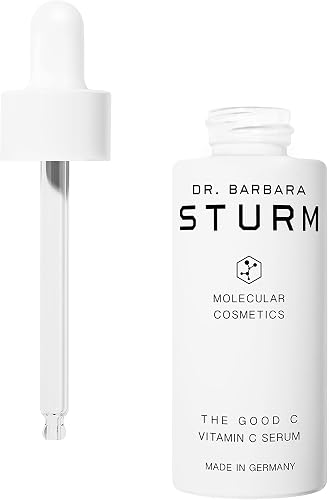
Dr. Barbara Sturm The Good C Vitamin C Serum
Sturm's German-engineered serum runs 1.01 fl oz — TSA-friendly and small enough for a pouch slot. The formula pairs vitamin C with purslane and skullcap extracts for an anti-inflammatory cushion, which matters when post-flight skin reacts to harsher actives. It layers cleanly under Valmont's Hydra3 or Prime Renewing Pack and the violet glass dropper keeps the ascorbic acid intact across pressure changes. This is the pick for travelers with reactive or barrier-compromised skin who can't risk a 20 percent L-ascorbic acid burn after a red-eye.
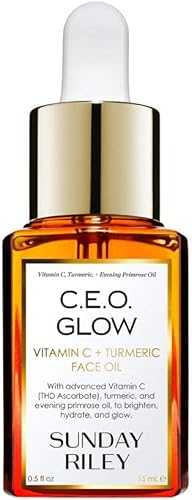
Sunday Riley C.E.O. Glow Vitamin C & Turmeric Face Oil
An oil-based vitamin C delivery system that doubles as a barrier repair step, exactly what dehydrated cabin skin needs. C.E.O. Glow uses THD ascorbate (an oil-soluble vitamin C derivative) instead of L-ascorbic acid, which means dramatically better stability across temperature swings and no pH conflicts when layered with Valmont's water-based serums. Use it as the final step at night after landing; the turmeric and ginger root brighten without irritating. This is the most travel-resilient formula on this list because oil-soluble vitamin C resists oxidation for months even once opened.
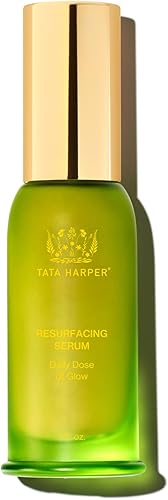
Tata Harper Resurfacing Serum
Not a pure vitamin C, but a luxury AHA/BHA serum that pairs beautifully with the Valmont routine for the second-morning reset — the moment when 72 hours of flight stress have left a layer of dull, congested texture on the surface. Tata Harper's Vermont-made formula is fragrance-light, comes in a glass amber dropper, and gently exfoliates without stripping the lipid barrier. Use it three times across a five-day trip, never on the same night as a high-concentration vitamin C serum, and follow with your Valmont moisturizer.
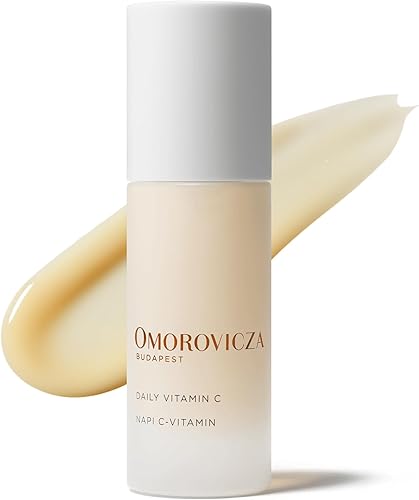
Omorovicza Daily Vitamin C Serum
Hungarian thermal-water house Omorovicza built this serum around a stable vitamin C complex plus niacinamide and hyaluronic acid — the exact pairing that helps cabin-dehydrated skin retain water during a transcontinental flight. The 1 oz airless pump format is TSA-friendly and the formulation is fragrance-light and oil-free, so it layers under Valmont's cellular essences without pilling. This is the everyday workhorse for travelers who don't want to switch between two vitamin C products at home and on the road.
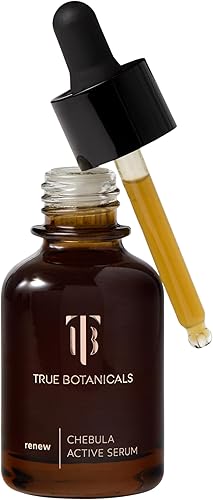
True Botanicals Chebula Active Serum
Chebula is an Ayurvedic fruit extract with documented antioxidant activity that surpasses vitamin C in some in-vitro stability tests — relevant when you're packing a serum that may sit at 80°F in a hotel bathroom for ten days. The True Botanicals formula adds peptides and niacinamide, making it a complete antioxidant base you can layer ahead of Valmont's richer creams. Travelers with sensitivity to acidic vitamin C serums often find Chebula does the brightening work without the sting.
Comparison: which traveler each pick is built for
| Serum | Active | Travel size | Best for |
|---|---|---|---|
| Dr. Barbara Sturm The Good C | Vitamin C + purslane | 1.01 fl oz | Reactive skin, short-haul flyers |
| Sunday Riley C.E.O. Glow | THD ascorbate (oil-soluble) | 1 fl oz | Dehydrated skin, hot destinations |
| Tata Harper Resurfacing Serum | AHA/BHA + vitamin C | 1 fl oz | Post-flight texture reset, day 3 |
| Omorovicza Daily Vitamin C | Stable vitamin C + niacinamide | 1 fl oz | Daily-driver between trips |
| True Botanicals Chebula Active | Chebula + peptides | 1 fl oz | Long itineraries, sensitive skin |
Building the four-day recovery protocol with Valmont as the anchor
The framework that works for most frequent flyers running a valmont vitamin c for frequent travelers jet lag protocol is a calendar, not a single product. Day 0 (pre-flight): cleanse, apply your vitamin C serum, layer Valmont's hydrating essence, finish with a sleeping mask, and use SPF in the morning if the flight is daytime. Day 1 (in-flight and arrival): drop vitamin C entirely while airborne. After landing, double-cleanse to remove cabin grime, apply vitamin C, layer Valmont's recovery serum, and seal with a rich cream. Sleep, even fragmented, is when the brightening machinery does its work.
Day 2 is the worst day visually: use vitamin C twice, morning before SPF and evening on damp skin. This is when sallowness peaks because circadian melatonin production hasn't reset and inflammation is still elevated. Day 3 and beyond: return to your home routine, optionally adding a gentle resurfacing serum like Tata Harper Chebula every third night for the rest of the trip.
For travelers concerned about variable hotel-room temperatures, storing luxury vitamin C serums properly extends usable life by months — the dark glass and airless pump formats above are non-negotiable for international flyers. And if you want to understand how vitamin C interacts with the rest of your kit, pairing vitamin C serums with the rest of your skincare covers the layering and timing rules that prevent pilling and ingredient conflicts.
Packing rules for a vitamin C-led travel kit
Decant only into airless pumps or violet glass. Skip plastic atomizer bottles; the surface area exposure to air during decanting alone oxidizes the formula. Pack vitamin C in your carry-on rather than checked luggage to avoid cargo-hold temperature swings. Keep bottles upright in a padded toiletry bag; an airless pump that gets shaken violently for hours can air-lock. On multi-stop trips longer than ten days, plan to discard any vitamin C serum that has visibly darkened from straw-yellow to deep amber — that color shift indicates oxidation, and oxidized vitamin C can actually generate free radicals rather than neutralize them.
Frequently Asked Questions
Can I apply Valmont vitamin C during a long-haul flight?
Skip vitamin C in the air. Cabin humidity around 10-20 percent destabilizes water-based ascorbic acid formulas, and application without occlusion can leave skin tighter. Use a hydrating mist and an occlusive balm in flight; save vitamin C for after landing when you can layer it properly under a moisturizer.
How quickly does vitamin C reverse jet-lag dullness on the face?
Most travelers see a visible brightening shift 36 to 48 hours after starting a consistent vitamin C application post-flight. The first morning after a red-eye is the worst because oxidative stress is still peaking; by the second evening, the antioxidant load drops and skin tone evens out. Hydration and sleep amplify the effect — vitamin C alone can't outwork three hours of sleep at altitude.
What concentration of vitamin C is best for frequent flyers with stressed skin?
Travelers usually do best with 10-15 percent L-ascorbic acid, or an equivalent oil-soluble derivative like THD ascorbate. Higher concentrations of 20-25 percent work for resilient skin types but increase irritation risk when the barrier is already compromised from flying. The ideal vitamin C concentration in luxury serums guide walks through the trade-offs by skin type.
Should I switch vitamin C serums when I travel to a hot climate?
Often, yes. L-ascorbic acid degrades faster above 75°F. Travelers heading to Dubai, Singapore, or the Caribbean for more than a week should switch to an oil-soluble vitamin C derivative. THD ascorbate, sodium ascorbyl phosphate, or ascorbyl glucoside formulas resist heat-driven oxidation far better than pure L-ascorbic acid.
Can I layer vitamin C with retinol on a jet-lag recovery night?
Not in the same routine. Vitamin C in the morning protects against daytime oxidative stress; retinol at night drives cell turnover. On a jet-lag recovery night, skip retinol — the inflamed, dehydrated state of post-flight skin tolerates retinoids poorly. Resume retinol on day three or four of the trip when the barrier has recovered.
Does vitamin C help with puffiness and dark circles after a long flight?
Indirectly. Vitamin C supports collagen and brightens the periorbital area over weeks, but it doesn't drain lymphatic puffiness in the short term. For acute under-eye darkness after landing, cold compresses and a caffeine-containing eye treatment work faster. Use vitamin C around the orbital area for long-term brightening, and a separate de-puffing eye product for the morning-after look.
How do I know if my vitamin C serum oxidized during a trip?
Color is the simplest tell. A fresh L-ascorbic acid serum is clear to pale straw-yellow. If yours has shifted to deep amber, orange, or brown, it has oxidized — discard it. Oxidized vitamin C doesn't just lose potency; it can generate free radicals that worsen the pigmentation it was meant to fade. Dark glass and airless pump packaging delay this, but no formula is immune after eight to twelve weeks of frequent travel exposure.
Key Takeaways
- Choosing the right valmont vitamin c for frequent travelers jet lag means matching capacity and output ports to your actual devices
- Always check actual watt-hours (Wh), not just watts — runtime depends on Wh, not peak output
- Also covers: valmont travel skincare
- Also covers: valmont vitamin c business travel
- Also covers: luxury vitamin c jet lag glow
- Compare price-per-Wh across models to find the best value for your budget