If you searched for tatcha violet c surgical residents mask perioral dullness, you already know the problem: after a back-to-back week of 14-hour OR shifts under an N95 plus a surgical mask, the skin from cheekbone to chin looks gray, flat, and somehow older than the rest of your face. Tatcha Violet-C Brightening Serum is one of the few luxury vitamin C formulas specifically engineered for that lower-face zone, pairing 20% bioavailable vitamin C (a blend of THD ascorbate and ascorbyl glucoside) with 10% AHAs from Japanese beautyberry to gently lift the dead-cell buildup that mask occlusion accelerates around the mouth, nasolabial folds, and jawline.
This guide explains exactly why surgical residency creates perioral dullness, why Violet-C is uniquely suited to it, and which luxury alternatives perform just as well if Tatcha is sold out or off-formulary for your skin.
Why surgical residents get a specific kind of mask-driven perioral dullness
The perioral zone — the skin framing your mouth from upper lip to chin and out to the marionette lines — is one of the most chronically humid micro-environments on the body during surgery. Every exhale traps warm CO2 and water vapor under the mask, raising local skin temperature by 2–4°C and stratum corneum hydration by up to 25%. That sounds good for skin, but it isn't. Chronic over-hydration weakens corneocyte adhesion, accelerates desquamation in irregular sheets rather than smooth shedding, and lets dead cells pile up unevenly. The optical result is dullness: light scatters instead of reflecting, and the area looks dim against the comparatively normal forehead and orbital skin that sit above the mask line.
Surgical residents face three multipliers on top of this baseline. First, mask-on hours per week routinely exceed 60, far past the threshold where barrier dysfunction becomes measurable. Second, scrub-room hand hygiene routines (chlorhexidine, alcohol foam) often involve incidental splash to the lower face, stripping lipids further. Third, the post-call sleep deficit downregulates skin microcirculation overnight, which is the exact window when topical vitamin C does its repair work.
Tatcha Violet-C addresses this stack because its AHA fraction is gentle enough for daily use on already-compromised skin, while the THD ascorbate is oil-soluble and penetrates the lipid-disrupted barrier without stinging. That combination — exfoliation plus brightening on a single tolerable vehicle — is the reason it keeps surfacing in residency-focused skincare threads when residents talk about mask perioral dullness.
What to look for in a luxury vitamin C serum for mask-zone dullness
- Stable vitamin C form: THD ascorbate, sodium ascorbyl phosphate, or properly buffered L-ascorbic acid at 10–20%. Avoid degraded yellow-tinted formulas.
- Gentle resurfacer: A low-percentage AHA (lactic, mandelic) or PHA to address the uneven desquamation specific to mask wear.
- Barrier support: Ceramides, squalane, or panthenol so the formula doesn't worsen mask-induced barrier loss.
- Fragrance-light: Heavy parfum under an N95 traps volatiles and irritates the perioral zone.
- 30-second absorption: Residents need a serum that disappears before scrubs, not one that sits tacky under a mask.
Comparison: Tatcha Violet-C vs. five luxury alternatives surgical residents actually use
| Serum | Vitamin C system | Perioral dullness fit | Mask-friendly finish | Best for |
|---|---|---|---|---|
| Tatcha Violet-C (reference) | 20% THD ascorbate + ascorbyl glucoside | Excellent — built-in 10% AHA | Lightweight gel-cream | Daily residents, sensitive skin |
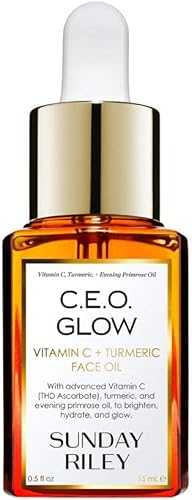
| Sunday Riley C.E.O. Glow | 5% THD ascorbate in oil | Very good for nighttime repair | Dry oil, post-mask only | Post-call evenings |
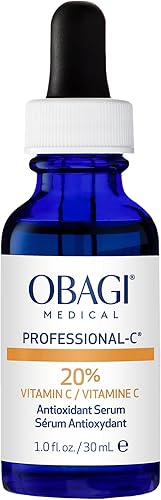
| Obagi Professional-C | 15% L-ascorbic acid | Strong if barrier intact | Watery, fast-dry | Pre-OR morning routine |
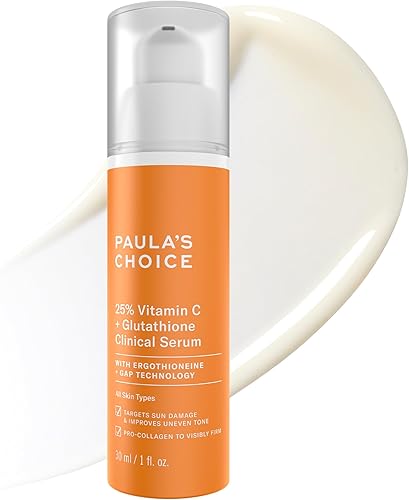
| Paula's Choice 25% Vitamin C + Glutathione | 25% L-AA + glutathione | Aggressive brightening, weekly use | Lightweight serum | Stubborn melasma overlap |
| iS CLINICAL Super Serum Advance+ | 15% L-AA + copper tripeptide | Excellent for post-laser-quality recovery | Silky, mask-compatible | Residents who also do procedures on themselves |
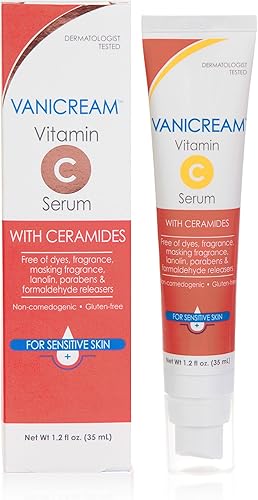
| Vanicream Vitamin C Serum | 10% THD ascorbate, milky | Best for actively irritated skin | Cushiony, hydrating | Acute mask-dermatitis weeks |
Top luxury vitamin C picks for surgical residents with mask perioral dullness
Sunday Riley C.E.O. Glow Vitamin C & Turmeric Face Oil
If Tatcha Violet-C is the gel-cream day option, Sunday Riley C.E.O. Glow is the post-call night equivalent. Five percent THD ascorbate sits in a turmeric-and-red-raspberry oil base that doesn't require a separate moisturizer, which matters when you stumble in after a 36-hour shift and want a one-step routine. It feeds the dehydrated lower face overnight without the stinging some residents report when they apply L-ascorbic acid to freshly de-masked skin. Wake up, rinse, and the perioral zone reads visibly less ashy. Check current price on Amazon.
Obagi Medical Professional-C Vitamin C Serum 15%
This is the morning workhorse if you want pharmaceutical-grade L-ascorbic acid before the mask goes on. Fifteen percent is the sweet spot for daily mask wear: high enough to neutralize free radicals from OR lights and surgical smoke, low enough not to compound the barrier stress of an N95. Residents like that it dries in under 45 seconds, leaving no tackiness that would bond mask fabric to skin and worsen the friction component of perioral dullness. The fragrance-free build is rated safe for sensitive skin and avoids the irritation that compounds with chlorhexidine exposure. View on Amazon.
Paula's Choice 25% Vitamin C with Glutathione & Antioxidants
For residents whose tatcha violet c surgical residents mask perioral dullness pattern has progressed to true post-inflammatory pigmentation around the philtrum and chin, the standard 15% formulas plateau quickly. This 25% L-ascorbic acid serum, buffered with glutathione (the same molecule used in IV brightening protocols), is meant for 2–3 nights per week of targeted treatment rather than daily use. It pairs well with the gentler daily product of your choice. Most users notice perioral tone evening within 6–8 weeks. See it on Amazon.
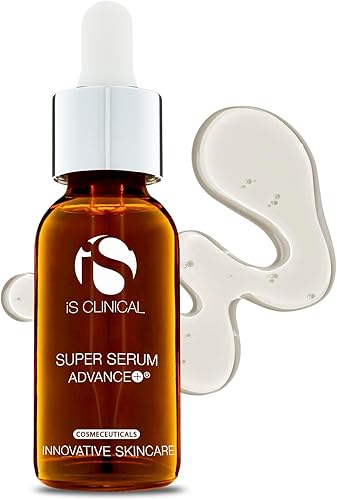
iS CLINICAL Super Serum Advance+
iS CLINICAL is what a lot of plastic surgery and dermatology attendings put on their own residents' faces. Super Serum Advance+ pairs 15% L-ascorbic acid with copper tripeptide-1 and zinc sulfate, a combination originally designed for post-laser and post-procedural recovery. That same chemistry is excellent for the chronic micro-trauma of mask wear — it accelerates fibroblast activity in the perioral skin that mask friction is constantly aggravating. The silk-finish vehicle layers under SPF without pilling, which is mandatory before a 12-hour shift. Check Amazon pricing.
Vanicream Vitamin C Serum
Not every week of residency calls for an aggressive vitamin C. During a stretch where the perioral zone is actively raw — cracking at the corners, flaking around the philtrum — drop to Vanicream's 10% THD ascorbate milk. It's dermatologist-tested, fragrance-free, and formulated without the top common irritants. Think of it as your "recovery week" pick: it still delivers measurable brightening but without the L-ascorbic acid sting on broken skin. Reintroduce a stronger serum once the barrier reads normal again. View on Amazon.
How to use any of these serums under a surgical mask
The application protocol matters as much as the product. Wash with a non-foaming, low-pH cleanser to preserve the acid mantle that the mask micro-environment will already test. Pat dry — do not rub the perioral area, which is already mechanically stressed. Apply 3–4 drops of serum to the entire mask zone, including the chin and the often-neglected strip just under the lower lip. Wait 60–90 seconds for full absorption before moisturizer, then 60 seconds more before SPF. If you're going straight to scrubs, give yourself a 2-minute total window between serum and mask donning; this is the difference between a serum that brightens and a serum that pills under elastic straps.
For residents doing 5–6 mask-on days per week, alternate a daily 10–15% formula with a stronger weekly treatment (the Paula's Choice 25% above is a good fit). For more detail on layering vitamin C with the rest of a clinical-shift routine, see our guide to pairing vitamin C serums with the rest of your skincare, and our deeper breakdown of how to apply luxury vitamin C serums for maximum absorption.
What surgical residents commonly get wrong
- Using foaming SLS cleansers post-shift. They strip the barrier the mask already weakened, making dullness worse the next morning.
- Skipping SPF on mask days. OR lights are not UV-free, and HEV light from monitors during charting contributes to perioral dullness too.
- Layering vitamin C with strong retinoids on the same shift cycle. Pick one active per AM/PM; barrier tolerance during residency is non-negotiable.
- Storing serum in a bright locker. Light degrades L-ascorbic acid in weeks. Keep it in your scrub-bag pouch or a cabinet.
- Treating dullness with more exfoliation. The fix is barrier repair plus stable vitamin C, not aggressive scrubs.
If you want a more general framework for picking a luxury vitamin C serum that matches a stressful clinical schedule, our 2026 roundup of vitamin C serums for sensitive skin covers reactive-skin formulas in depth, and the head-to-head Tatcha Violet-C vs. Glow Recipe Pineapple-C comparison is worth reading if you're cross-shopping in the same price band.
Frequently Asked Questions
Is Tatcha Violet-C strong enough for the perioral dullness of a chief resident year?
Yes for most users. The 20% bioavailable vitamin C plus 10% AHA system is designed for daily use on the lower face, which is exactly the zone affected by chief-year mask hours. If you have superimposed melasma from oral contraceptives or pregnancy, layer Violet-C daily and add a 25% L-ascorbic acid treatment two nights a week.
Can I apply vitamin C serum right before donning my N95?
Wait at least 2 minutes after your full AM routine (cleanse, serum, moisturizer, SPF) before putting the mask on. If you don't, the serum can transfer to mask padding, mix with sweat, and cause perioral irritation that mimics dullness but is actually contact dermatitis.
Why does my chin look duller than my cheeks under the same mask?
The chin sits in the most occluded, lowest-airflow part of any surgical mask. Humidity, friction, and sebum all pool there. Vitamin C plus a low-dose AHA (the Tatcha Violet-C combination) addresses both the pigment and the textural component that make the chin specifically look gray.
Should I stop vitamin C during call weeks?
No — drop to a gentler formulation like Vanicream's 10% THD ascorbate, but don't stop. Vitamin C is one of the few actives that performs better, not worse, under sleep deprivation because it reinforces antioxidant pathways that crash without REM sleep.
Is luxury vitamin C actually better than drugstore for mask-related dullness?
For this specific use case, yes — luxury formulas tend to use more stable vitamin C derivatives (THD ascorbate, ascorbyl glucoside) that don't oxidize during the 8–12 hours your face is sealed under a mask. Cheaper L-ascorbic acid serums can actually contribute to oxidative stress as they degrade on the skin.
How long until I see perioral brightening?
Expect visible reduction in dullness within 3–4 weeks of daily use, and meaningful tone evening at 8–12 weeks. Pigmentation that's set in over a full residency year will take a full cell-turnover cycle (about 12 weeks) plus consistent SPF to fully resolve.
Can I use Tatcha Violet-C with tretinoin?
Yes, but stagger: Violet-C in the morning, tretinoin at night. Using both at once during residency, when barrier reserves are already low, is the fastest way to develop perioral dermatitis that will look worse than the original dullness.
Key Takeaways
- Choosing the right tatcha violet c surgical residents mask perioral dullness means matching capacity and output ports to your actual devices
- Always check actual watt-hours (Wh), not just watts — runtime depends on Wh, not peak output
- Also covers: violet-c for n95 mask perioral pigmentation
- Also covers: tatcha for surgical mask skin dullness
- Also covers: vitamin c for OR resident mascne aftermath
- Compare price-per-Wh across models to find the best value for your budget