As an Amazon Associate this site earns from qualifying purchases.
Yes, Sunday Riley CEO for oily acne prone skin can work surprisingly well in humid climates—but only if you use the right format and layer it carefully. The brand's stabilized THD ascorbate vitamin C delivers brightening power without the gritty L-ascorbic acid oxidation that plagues humid-weather routines. The lightweight C.E.O. Glow oil sinks in quickly, leaving a satin (not greasy) finish even in tropical humidity, and its anti-inflammatory turmeric helps calm post-breakout redness while fading dark marks. Below, we break down exactly how this luxury serum performs on breakout-prone complexions in muggy weather—plus five vitamin C alternatives worth comparing it against.
Why Sunday Riley CEO Works (Or Sometimes Doesn't) on Oily, Acne-Prone Skin
Most vitamin C complaints from acne-prone users in tropical and subtropical zones come down to two issues: occlusive carriers that smother pores, and unstable L-ascorbic acid that oxidizes the moment it meets warm, wet air. Sunday Riley's C.E.O. Glow sidesteps both problems with tetrahexyldecyl ascorbate (THD ascorbate)—an oil-soluble, pH-stable form of vitamin C that doesn't degrade in humid bathrooms and penetrates the lipid layer of the skin without sitting on top of it.
- BRIGHTENING VITAMIN C SERUM: Targets signs of aging by brightening and visibly evening out skin tone, and provides with antioxidant protection
- WATER-SOLUBLE VITAMIN C: Formulated with Ascorbyl Glucoside, a derivative of vitamin C that converts into the active form once applied to the skin, which helps minimize the
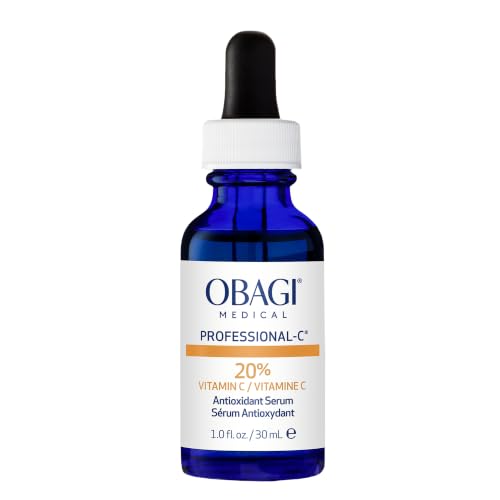
- Lighten skin discolorations, moisturize and hydrate skin to improve both texture and tone
- Superior delivery system, resulting in greater penetration to all layers of the skin
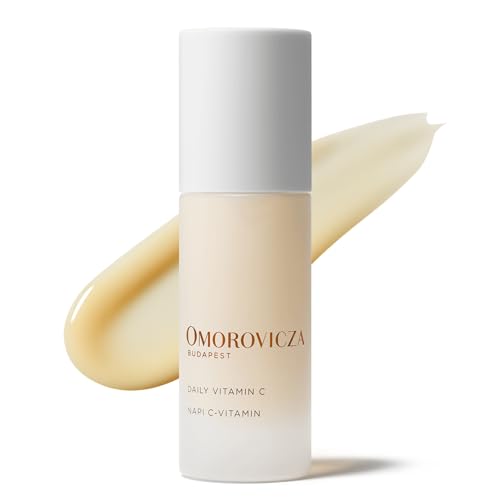
- Lightweight, oil-free daily serum designed for morning use to protect and rejuvenate skin, supporting a refreshed, smooth-looking complexion with consistent everyday application
- Formulated with highly stable Vitamin C and Niacinamide to boost elasticity and support antioxidant defence, helping protect against free radicals and early signs of ageing daily
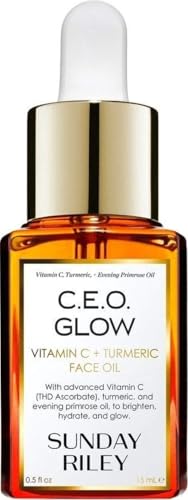
- America's #1 face oil!* C.E.O. Glow brightens and nourishes with Vitamin C, golden turmeric, and antioxidant-rich extracts for radiant, healthy-looking skin.ric for instant
- Extremely stable, oil-soluble Vitamin C fights signs of aging: dullness, fine lines, wrinkles, dark spots, and surface redness, revealing smoother, brighter skin
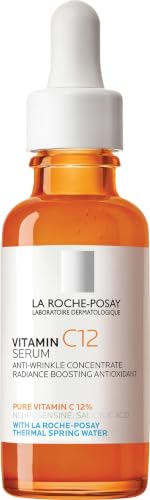
- This facial serum hydrates and enhances radiance, making it an ideal self care gift for women & men. It tackles wrinkles and uneven skin tone effectively
- Anti Aging Serum: Concentrated with pure vitamin C and hyaluronic acid, this serum visibly reduces wrinkles and refines skin texture, serving as an excellent anti aging serum
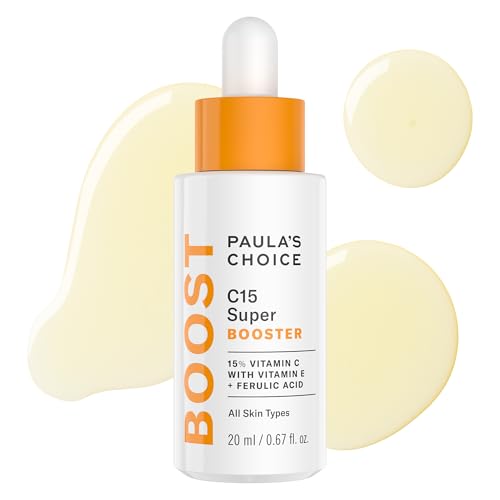
- 15% PURE L-ASCORBIC ACID: 15% vitamin C gently brightens skin, improves the appearance of wrinkles & boosts glow in 15 minutes–without irritation
- FERULIC ACID: This antioxidant-rich face serum with ferulic acid helps defend against visible signs of aging, protects skin from environmental damage, and works with Vitamins C &
Sunday Riley CEO vs. Five Luxury Vitamin C Alternatives for Humid Climates
| Product | Vitamin C Form | Texture | Best For Oily/Acne-Prone? | Humidity Stability |
|---|---|---|---|---|
| Sunday Riley C.E.O. Glow | THD Ascorbate | Lightweight oil | Yes (low-comedogenic) | Excellent |
| La Roche-Posay Pure 12% Vitamin C (Oily Formula) | L-Ascorbic Acid + Salicylic Acid | Gel-fluid | Yes (BHA included) | Good (opaque tube) |
| Paula's Choice BOOST C15 | 15% L-Ascorbic Acid + Ferulic | Lightweight serum | Yes (fragrance-free) | Moderate |
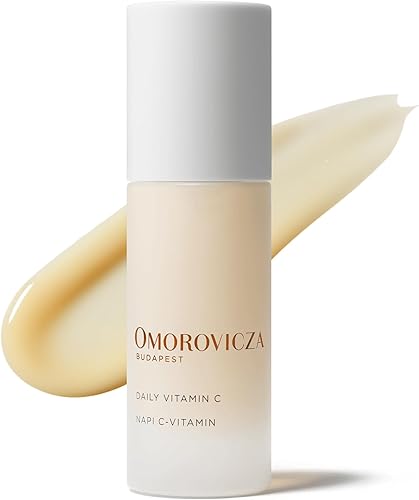
| Omorovicza Daily Vitamin C | Ascorbyl Glucoside + Niacinamide | Oil-free milky serum | Excellent | Excellent |
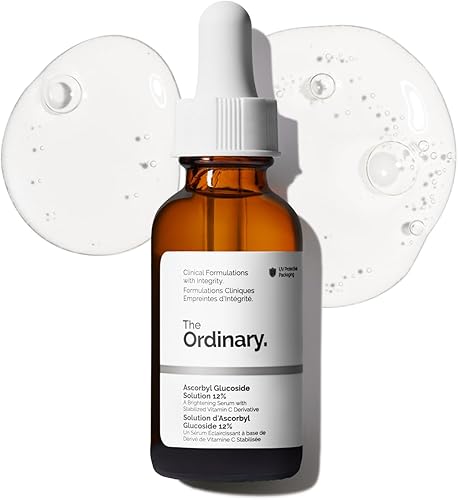
| The Ordinary Ascorbyl Glucoside 12% | Ascorbyl Glucoside | Water-thin | Yes (very gentle) | Excellent |
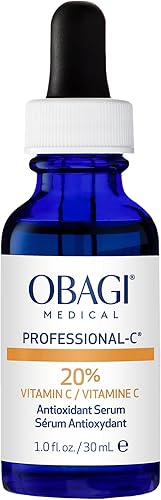
| Obagi Professional-C 15% | L-Ascorbic Acid | Lightweight serum | With patch test | Moderate |
For oily and acne-prone skin specifically, the choice of Sunday Riley CEO for oily acne prone skin hinges on three factors:
- Comedogenicity of the carrier oils. C.E.O. Glow uses red raspberry seed oil and meadowfoam seed oil—both rated low on the comedogenic scale (0–2)—rather than coconut or wheat germ, which routinely trigger congestion.
- Anti-inflammatory actives. Turmeric (curcuma longa) at a meaningful percentage calms papular acne and dampens the redness that lingers around healing lesions.
- Climate stability. THD ascorbate doesn't oxidize into pro-oxidant byproducts the way pure L-ascorbic acid does when exposed to heat, light, and moisture, so a humid Singapore or Miami bathroom won't ruin the bottle in three weeks.
The caveat: an oil-format vitamin C, no matter how cleverly formulated, may feel like overkill if your skin already produces excess sebum by 2 p.m. In that case, you'll want to pair it with a mattifying primer or rotate it with a water-based vitamin C on heavy oil days.
Sunday Riley C.E.O. Glow Vitamin C & Turmeric Face Oil
This is the headline pick for anyone considering Sunday Riley CEO for oily acne prone skin in humid weather. The 15% THD ascorbate concentration is potent enough to fade post-inflammatory hyperpigmentation (the dark marks left after a breakout heals), and the oil base actually behaves like a dry oil—two to three drops absorb within 60 seconds. Users in Bangkok, Houston, and São Paulo consistently report that it doesn't feel heavy under sunscreen the way many luxury face oils do. The biggest practical win: turmeric pulls double duty as an anti-inflammatory and a glow booster, so morning application gives a noticeable luminosity without the silicone-shimmer trick most "glow" serums rely on.
Apply two drops after toner and before moisturizer, and skip it on days you're using a strong BHA exfoliant to avoid over-stimulating sensitive zones around the jawline. Sunday Riley C.E.O. Glow Vitamin C & Turmeric Face Oil.
La Roche-Posay Pure 12% Vitamin C Serum (Oily Skin Formula)
If the oil format gives you pause, La Roche-Posay's Pure 12% serum comes in two formulations—and the oily-skin version pairs L-ascorbic acid with 0.5% salicylic acid for active pore-clearing. The gel-fluid texture absorbs without residue, and the opaque aluminum tube protects the vitamin C from light degradation, an underrated detail in humid bathrooms with constant temperature swings. Acne-prone users with combination tendencies often find this is the easiest entry point into daily vitamin C use. La Roche-Posay Pure 12% Vitamin C Serum For Face With Hyaluronic Acid &.
Paula's Choice BOOST C15 Super Booster
For purists who want a classic 15% L-ascorbic acid + 0.5% ferulic acid + vitamin E formula in a luxury-tier execution, BOOST C15 remains a workhorse. It's fragrance-free, alcohol-free, and the dropper bottle is amber glass—important for keeping the vitamin C from oxidizing into yellow-then-brown territory in a warm climate. The serum layers beautifully under mineral sunscreen and won't pill the way thicker serums often do. Paula's Choice BOOST C15 Super Booster.
Omorovicza Daily Vitamin C Serum
The closest direct competitor to Sunday Riley in terms of luxury positioning and humid-climate performance. Omorovicza's formula is explicitly oil-free, uses ascorbyl glucoside (a water-soluble vitamin C derivative that doesn't oxidize), and includes niacinamide and hyaluronic acid for barrier support. The milky-fluid texture absorbs in under 30 seconds and leaves zero tackiness—exactly what you want when 85% humidity is already gluing your hair to your forehead. Omorovicza Daily Vitamin C Serum (1.0 oz).
The Ordinary Ascorbyl Glucoside Solution 12%
Not a luxury brand, but worth mentioning as a stable, humid-climate-friendly entry point. Ascorbyl glucoside is a precursor that converts to active vitamin C on the skin, meaning the bottle stays stable for the full shelf life even in warm bathrooms. The water-light texture won't add a single milligram of weight to oily skin. Many readers use this as their morning vitamin C and reserve a luxury option like C.E.O. Glow for evenings or special occasions. The Ordinary Ascorbyl Glucoside Solution 12%.
Obagi Medical Professional-C 15% Serum
A clinical-grade L-ascorbic acid serum that some dermatologists still consider the benchmark. The trade-off: at 15% L-ascorbic acid with no derivative buffering, it can sting on freshly cleansed acne-inflamed skin, and the formula does oxidize faster in humid storage. Patch test first, and store it in a dark drawer—not on the bathroom counter. Obagi Medical Professional-C Vitamin C Serum.
How to Layer Vitamin C in Humid Climates Without Triggering Breakouts
The single most common mistake we see from readers in humid zones is treating vitamin C like a winter routine. In Miami, Mumbai, or Manila, the rules shift:
- Cleanse with a salicylic acid wash first thing. Sweat plus sunscreen plus overnight sebum creates a film that blocks vitamin C absorption. A 0.5–2% BHA cleanser clears it.
- Apply on damp—not dripping—skin. For C.E.O. Glow specifically, slightly damp skin helps the oil emulsify and spread more thinly.
- Use less than you think. Two drops of an oil-format vitamin C covers the entire face. More creates a heavy film that can trap sweat against the pore opening.
- Always finish with broad-spectrum SPF 30+. Vitamin C amplifies UV defense but also makes unprotected skin more reactive to sun-induced hyperpigmentation.
- Don't double up. If you're using a vitamin C serum AND a vitamin C-spiked moisturizer AND a vitamin C SPF, you're overloading and likely irritating acne lesions.
For a deeper breakdown of layering order, see our guide on pairing vitamin C serums with the rest of your skincare, and for a head-to-head against another popular pick, our Sunday Riley CEO vs Obagi Professional-C comparison goes deeper on potency and price.
Storage Matters More Than You Think in Humid Climates
Even the most stable formula degrades faster when bathroom humidity routinely tops 70%. Three practical tweaks extend the life of your investment:
- Move vitamin C bottles to a bedroom drawer rather than the bathroom shelf.
- Tighten the cap immediately after every use—oxygen exposure is the enemy.
- If your serum has shifted from clear/pale yellow to amber, orange, or brown, the active vitamin C has oxidized and could potentially generate free radicals rather than neutralizing them. Replace it.
Our full storing luxury vitamin C serums guide covers temperature thresholds and shelf-life expectations by formulation type.
Frequently Asked Questions
Will Sunday Riley CEO clog pores on acne-prone skin in tropical humidity?
For most acne-prone users, no. The C.E.O. Glow formula relies on red raspberry seed oil and meadowfoam seed oil, both rated 0–2 on the comedogenic scale. The exception: users with fungal acne (malassezia folliculitis) sometimes react to certain plant oils, so if you have small uniform bumps across the forehead and chest rather than classic inflammatory acne, patch test along the jawline for two weeks before committing to daily use.
Is THD ascorbate as effective as L-ascorbic acid for fading acne scars in humid weather?
For post-inflammatory hyperpigmentation (the brown or purple marks left after acne heals), THD ascorbate is arguably more practical in humid climates because it remains stable and doesn't oxidize the way L-ascorbic acid does. Clinical studies suggest THD ascorbate penetrates the skin lipid layer more efficiently, though peak antioxidant activity per molecule is slightly lower. The net effect on hyperpigmentation tends to be comparable over 8–12 weeks of consistent use.
Can I use Sunday Riley CEO with retinol if I have oily acne-prone skin?
Yes, but stagger them. Use vitamin C in the morning and retinol at night. Stacking both in the same routine on already-inflamed acne skin frequently triggers barrier disruption, which paradoxically increases sebum production and worsens breakouts. If you must combine, use vitamin C as your morning step and reserve retinol for two to three evenings per week, not daily.
What's the best vitamin C concentration for oily acne-prone skin in humid climates?
The sweet spot is 10–15% for L-ascorbic acid formulas or 10–15% THD ascorbate for oil-soluble forms. Above 15% L-ascorbic acid, the irritation risk on inflamed acne skin outweighs the marginal brightening gain. Our deeper analysis of the ideal vitamin C concentration in luxury serums walks through the trade-offs by skin type.
Does Sunday Riley CEO Glow work under sunscreen in humid weather?
Yes, provided you allow 60–90 seconds for it to absorb and use a sunscreen that plays well with oils—generally chemical or hybrid sunscreens layer more cleanly over C.E.O. Glow than pure mineral zinc formulas, which can pill when applied over residual oil. If you wear a mineral SPF, switch to a water-based vitamin C like Omorovicza or The Ordinary for that day.
How long until I see brightening results on acne scars in a humid climate?
Expect 6–8 weeks of consistent daily use to see meaningful fading of post-inflammatory marks, and 12–16 weeks for deeper hyperpigmentation. Humid climates can actually accelerate visible results because compromised barriers heal faster in higher ambient humidity—provided you're not over-exfoliating in tandem.
Is Sunday Riley CEO worth the price compared to drugstore vitamin C serums?
For oily, acne-prone skin in humid climates specifically, the luxury price tag buys two things drugstore formulas rarely deliver: a non-comedogenic oil carrier that genuinely doesn't break out most users, and a stabilized vitamin C form that survives bathroom humidity. Whether that's worth roughly 4x the cost of a drugstore alternative depends on your priorities. Our roundup of the best luxury vitamin C brightening serums of 2026 compares value across price tiers.
Final Verdict
If you're shopping Sunday Riley CEO for oily acne prone skin in a humid climate, the answer is a qualified yes: C.E.O. Glow is one of the few oil-format vitamin C serums genuinely engineered to behave well on breakout-prone, sebum-heavy skin. Pair it with a salicylic cleanser, layer it sparingly under broad-spectrum SPF, and store the bottle somewhere cool and dark. For users who prefer a water-based texture or want a more clinical L-ascorbic acid hit, La Roche-Posay's oily-skin formula and Omorovicza's oil-free serum are the two strongest alternatives in the same humidity-friendly category.
Key Takeaways
- Choosing the right sunday riley ceo for oily acne prone skin means matching the key features to your specific needs and budget
- Read real customer reviews and check the return policy before you commit
- Also covers: sunday riley ceo humid weather
- Also covers: ceo serum oily skin review
- Also covers: ceo glow drops acne
- Compare value across models — the priciest option is not always the best fit