When comparing SkinMedica Lytera vs Obagi Nu-Derm Clear melasma treatments, the short answer is this: Obagi Nu-Derm Clear (4% prescription hydroquinone) works faster and targets stubborn, deep-set pigmentation aggressively but requires medical oversight and cyclical use, while SkinMedica Lytera 2.0 is a hydroquinone-free, retinol-free brightener engineered for long-term daily use, sensitive-skin compatibility, and maintenance after a hydroquinone course. For most patients with stubborn melasma, dermatologists actually pair the two—Obagi for the corrective 12–16 week sprint, then Lytera for the long maintenance phase—stacked with a luxury vitamin C serum and SPF 50+ to lock in results and prevent rebound pigment.
Quick verdict: which one wins for stubborn melasma?
Neither product alone is a magic bullet for stubborn, hormonal, or dermal-type melasma, but they sit in different lanes. Obagi Nu-Derm Clear is the heavy artillery: 4% hydroquinone remains the gold-standard depigmenting agent in 2026, and Obagi's penetration-enhancing base means it reaches the basal layer where overactive melanocytes overproduce pigment. The trade-off is that hydroquinone has to be cycled (typically 12–16 weeks on, then an 8-week break) to avoid exogenous ochronosis and rebound darkening, and you'll need a dermatologist or licensed med-spa to dispense it in the United States.
SkinMedica Lytera 2.0 takes a multi-pathway approach without hydroquinone: niacinamide, tranexamic acid, phenylethyl resorcinol, hexylresorcinol, marine extract, and antioxidants work together to interrupt melanin synthesis at several different steps. It's slower—most users see meaningful change at 8–12 weeks—but it's safe for daily long-term use, often pregnancy-acceptable under physician guidance, and unlikely to inflame already sensitized melasma skin. If you can't access a prescription, or you've already finished a hydroquinone cycle, Lytera is the smarter long game.
SkinMedica Lytera 2.0 in depth
Lytera 2.0 is the reformulated version of SkinMedica's flagship brightener, designed specifically for women whose melasma flares with sun, heat, or hormonal shifts like pregnancy and IVF. The hero ingredient is tranexamic acid—the same molecule prescribed orally by dermatologists for refractory melasma—paired with niacinamide to reduce melanosome transfer to keratinocytes. In clinical before/after photos, the most dramatic improvement happens on diffuse cheek and forehead melasma; isolated dark spots from sun damage respond too, just more slowly.
Where Lytera falls short: it does not exfoliate. If your melasma sits under a dull, congested surface layer, you'll need a separate gentle AHA or a low-dose retinoid to help Lytera's actives penetrate. It's also a luxury price point (around $160 for 2 oz in 2026) with no drugstore equivalent that fully matches the formulation. Patients on a budget often use Lytera every other night to stretch the bottle, which still produces meaningful results because tranexamic acid has a slow tissue half-life.
Obagi Nu-Derm Clear in depth
Obagi Nu-Derm Clear is one product inside the larger Nu-Derm system, which classically includes a cleanser, toner, Clear (the 4% hydroquinone), Exfoderm or Blender, tretinoin, and SPF. Used as a standalone, Clear still works—but you'll get dramatically better results in the full transformation protocol your dermatologist designs around it. Expect a "purge" phase in weeks 2–4 where skin can look pink, flaky, and temporarily darker before clearing rapidly between weeks 6 and 12.
The Nu-Derm system is the most clinically photographed brightening regimen on the market, with documented results on Fitzpatrick III–V skin where melasma is hardest to treat. The downside is real: it's intensive, expensive, sun-sensitizing, and requires a four-month commitment plus a two-month rest cycle. You cannot use Nu-Derm Clear long-term without breaks, and skipping the prescribed sunscreen step will undo the entire investment in a single beach weekend.
Side-by-side comparison
| Feature | SkinMedica Lytera 2.0 | Obagi Nu-Derm Clear |
|---|---|---|
| Active brightener | Tranexamic acid, niacinamide, resorcinols | 4% hydroquinone (Rx) |
| Prescription required | No | Yes (U.S.) |
| Best for | Maintenance, sensitive skin, mild–moderate melasma | Stubborn, deep, resistant melasma |
| Time to visible change | 8–12 weeks | 4–8 weeks |
| Long-term safe? | Yes | No—cycle 16 weeks on / 8 off |
| Pregnancy-friendly? | Only with MD approval | No |
| Photo-sensitizing | Mild | High |
| Typical 2026 price | ~$160 | ~$110 (Rx) |
Why vitamin C is non-negotiable in any melasma protocol
Whether you choose Lytera, Nu-Derm Clear, or both in sequence, a luxury vitamin C serum is the third leg of the stool. Vitamin C inhibits tyrosinase (the enzyme that builds melanin), neutralizes UV-generated free radicals that re-trigger melasma flares, and stabilizes the gains from your hydroquinone or tranexamic acid treatment. Without it you'll see slower fading and faster rebound. The ideal concentration range for melasma is 10–20% L-ascorbic acid, or a gentler 12% ascorbyl glucoside if your skin is reactive. For more on this, see our guide on the ideal vitamin C concentration for luxury serums.
Best vitamin C serums to pair with Lytera or Obagi Nu-Derm Clear
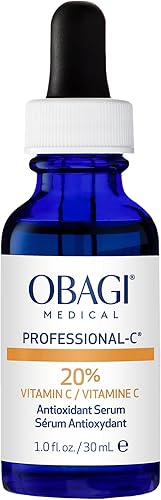
Obagi Professional-C Serum 20%
This is the in-house companion to anything in the Obagi family and the most logical pairing if you're already on Nu-Derm Clear. It's a 20% L-ascorbic acid formula with a low-pH delivery that reaches the basal layer where pigment originates. Patients on the full Nu-Derm protocol often apply Professional-C in the morning under SPF, with Clear at night, for a measurable bump in brightening at the 8-week mark. The thin, water-clear texture layers cleanly under tretinoin or Lytera without pilling.
Obagi Medical Professional-C Vitamin C Serum on Amazon
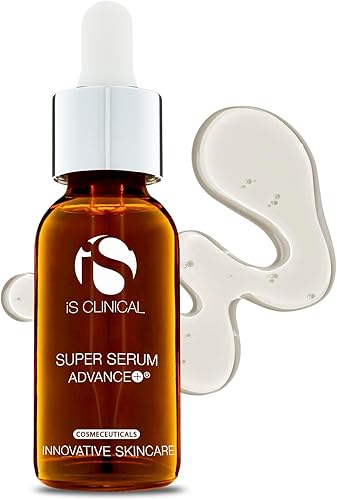
iS CLINICAL Super Serum Advance+
The clinical favorite for melasma patients who can't tolerate L-ascorbic acid at high percentages. Super Serum uses a stabilized 15% vitamin C complex plus copper tripeptide and arbutin to soften pigment without the sting that derails sensitive-skin sufferers. It's particularly useful as the morning serum during an Obagi Nu-Derm rest cycle, when your barrier needs a break from hydroquinone but you don't want pigment to creep back. Expect a slight slip texture that plays beautifully under mineral SPF.
iS CLINICAL Super Serum Advance+ on Amazon
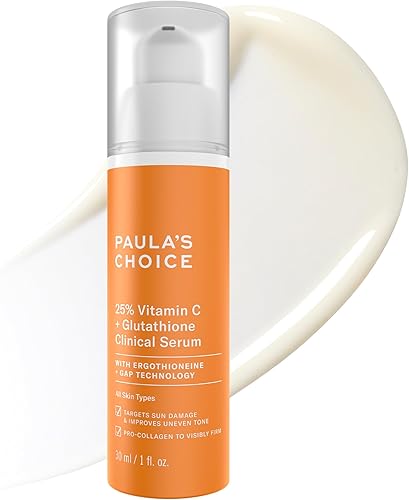
Paula's Choice 25% Vitamin C with Glutathione
For aggressive melasma protocols on more resilient skin, this is one of the highest-concentration retail vitamin C serums available, and the glutathione synergy genuinely matters—glutathione interrupts the pheomelanin pathway implicated in stubborn dermal melasma. It pairs especially well with Lytera 2.0 maintenance: tranexamic acid and 25% L-ascorbic acid hit pigment from two different angles. Start every other morning to gauge tolerance; this serum is potent and the pH is low.
Paula's Choice 25% Vitamin C with Glutathione on Amazon
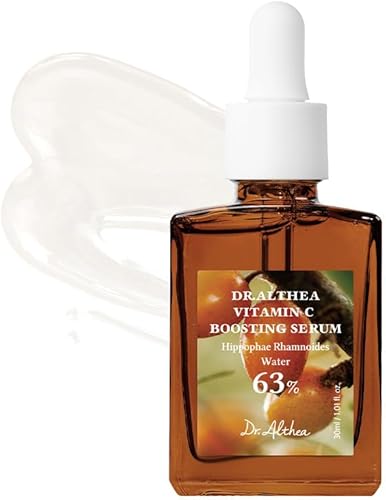
Dr.Althea Vitamin C Boosting Serum with Tranexamic Acid
If Lytera's price puts it out of reach but you want the tranexamic acid mechanism, this Korean formula combines stabilized vitamin C with tranexamic acid—the same melasma-targeted ingredient Lytera leans on. It's not a one-for-one Lytera replacement (Lytera's resorcinol stack is what makes it unique), but it's a smart vitamin C choice during a Nu-Derm rest cycle when you want continued pigment suppression without hydroquinone. The lightweight texture suits humid climates.
Dr.Althea Vitamin C Boosting Serum on Amazon
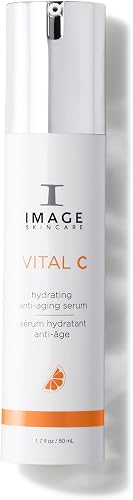
IMAGE Skincare VITAL C Hydrating Serum
For sensitized, post-treatment skin coming off the irritation phase of Nu-Derm or a hydroquinone course, VITAL C is the gentle landing pad. The formula uses tetrahexyldecyl ascorbate (an oil-soluble vitamin C ester) plus hyaluronic acid, so it doesn't sting on raw, recovering skin but still inhibits tyrosinase. Many dermatologists recommend this during Nu-Derm rest cycles for patients with rosacea-adjacent reactive skin who need a barrier-friendly brightener.
IMAGE Skincare VITAL C Hydrating Serum on Amazon
How to layer these without irritation
The most common mistake people make in the SkinMedica Lytera vs Obagi Nu-Derm Clear melasma debate is stacking too many actives at once. A safe layering order looks like this: AM—gentle cleanser, vitamin C serum, Lytera (or just moisturizer during a Nu-Derm cycle), broad-spectrum tinted mineral SPF 50+. PM—cleanser, Nu-Derm Clear or Lytera (never both in a single evening unless your dermatologist instructs), tretinoin if prescribed, ceramide moisturizer. Always sandwich tretinoin between moisturizer if you're new to retinoids. For deeper layering advice, see our guide on pairing vitamin C serums with other skincare.
Sunscreen is the single most determinative factor in whether your melasma fades or rebounds. Iron oxides matter as much as SPF number—visible light penetrates deeper than UVA and is a major driver of melasma in Fitzpatrick III and above. Choose a tinted mineral sunscreen with iron oxides, reapply every two hours of daylight exposure, and wear a wide-brim hat in peak UV. For 2026's top picks across skin types and complementary serums, our 2026 luxury vitamin C brightening serum roundup covers compatible formulations.
Frequently Asked Questions
Is SkinMedica Lytera or Obagi Nu-Derm Clear better for hormonal melasma from birth control?
Hormonal melasma is notoriously stubborn and tends to relapse if the hormonal trigger remains. Obagi Nu-Derm Clear will fade it faster, but it will return if you stay on the triggering medication. Lytera 2.0 is the better long-term choice because you can use it indefinitely while the hormonal influence persists. Many dermatologists recommend a 16-week Nu-Derm course to clear the visible pigment, then transition to Lytera plus daily vitamin C as a maintenance protocol you stay on as long as you're on the contraceptive.
Can I use SkinMedica Lytera and Obagi Nu-Derm Clear at the same time?
Not in the same nightly session, and ideally not in overlapping daily routines without dermatologist supervision. The standard protocol is Nu-Derm Clear for the active 16-week cycle, then a full transition to Lytera during the 8-week hydroquinone rest. Some clinicians do alternate evenings (Clear Monday/Wednesday/Friday, Lytera Tuesday/Thursday/Saturday) for patients with very stubborn melasma, but only if your skin tolerates the layering without barrier breakdown or persistent redness.
How long until I see results comparing Lytera vs Obagi for melasma?
Obagi Nu-Derm Clear typically shows measurable lightening at 4–6 weeks, with the most dramatic shift between weeks 8 and 12. SkinMedica Lytera 2.0 takes longer—expect 8–12 weeks for visible change and 16 weeks for full results. Both demand daily tinted SPF 50+ with iron oxides; without sun protection, both fail entirely no matter how perfect the active ingredients are.
Is Obagi Nu-Derm Clear safe during pregnancy?
No. Hydroquinone is contraindicated during pregnancy and breastfeeding because of high systemic absorption. SkinMedica Lytera 2.0 may be acceptable with physician approval since it's hydroquinone-free and retinol-free, but you should always confirm with your OB and dermatologist before continuing any active during pregnancy. Tranexamic acid use in pregnancy is also debated, so individualized medical guidance is essential rather than self-prescribing.
What vitamin C concentration is best for melasma alongside Lytera or Nu-Derm Clear?
For most melasma patients, 15–20% L-ascorbic acid in the morning is the sweet spot. If your skin reacts with stinging, flushing, or persistent pinkness, step down to 10% L-ascorbic acid or switch to 12% ascorbyl glucoside, which is gentler but still inhibits tyrosinase. Consistency at a tolerable concentration always beats a high-dose serum that you abandon after two weeks because it burns.
Will SkinMedica Lytera vs Obagi Nu-Derm Clear melasma results last after I stop using them?
Only with sustained sun protection and a maintenance serum. Both Lytera and Nu-Derm Clear suppress melanocyte activity; they don't permanently shut it off. Patients who stop everything see melasma return within 3–6 months, especially through summer or after pregnancy. The realistic plan: complete your hydroquinone or tranexamic acid course, then maintain indefinitely with vitamin C, niacinamide, daily SPF 50+ tinted mineral, and seasonal Lytera cycles each spring.
Are there cheaper alternatives that work as well for stubborn melasma?
For truly stubborn dermal melasma, no—4% hydroquinone and prescription-grade tranexamic acid remain the most evidence-backed actives in 2026. However, for epidermal or mild melasma, a stack of 15–20% vitamin C, OTC tranexamic acid serums, azelaic acid 10%, and tinted mineral SPF can achieve meaningful improvement at a fraction of the cost. Our roundup of the top brightening serums for dark spots in 2026 covers the most cost-effective options that still punch above their weight.
Key Takeaways
- Choosing the right SkinMedica Lytera vs Obagi Nu-Derm Clear melasma means matching capacity and output ports to your actual devices
- Always check actual watt-hours (Wh), not just watts — runtime depends on Wh, not peak output
- Also covers: Lytera 2.0 vs Nu-Derm Clear comparison
- Also covers: best medical-grade serum stubborn melasma
- Also covers: SkinMedica vs Obagi for facial melasma
- Compare price-per-Wh across models to find the best value for your budget