For SkinCeuticals Phloretin CF vs CE Ferulic for oily T-zone mature women, Phloretin CF is the better everyday pick. Its gel-fluid texture and the phloretin + 2% salicylic acid pairing address sebum, congested pores, and post-inflammatory dark spots — the exact triad that combination, hormonally aging skin tends to show after 45. CE Ferulic, by contrast, sits in a silicone-and-glycol base built around dry, photo-aged complexions; on shiny foreheads and chins it can feel tacky and pill under SPF or makeup. If pigmentation, midday shine, and crepey cheek lines all matter to you, lean Phloretin CF — or look at the equally smart alternatives below.
The core formula difference, in plain language
Both serums are 15% L-ascorbic acid (the gold-standard form of vitamin C) buffered to a low pH so the molecule stays active on skin. That part is identical. What changes everything is the supporting cast and the base.
When shopping for SkinCeuticals Phloretin CF vs CE Ferulic for oily T-zone mature women, it pays to compare specs, capacity, and real-world runtime before committing.
CE Ferulic combines 15% L-ascorbic acid with 1% alpha-tocopherol (vitamin E) and 0.5% ferulic acid. The vitamin E is lipid-soluble, so the base relies on glycols and dimethicone to carry it. The finish is a faint warm-skin tackiness that mature, dry, sun-damaged complexions adore because it mimics a thin occlusive layer. On oily skin, that same tackiness traps sebum and reads as "greasy by 11 a.m."
Phloretin CF swaps vitamin E for phloretin (a polyphenol from apple skins) and adds 0.5% ferulic acid plus 2% salicylic acid. Salicylic acid is the operative ingredient for combination skin: it is oil-soluble, cleans the inside of pores, and keeps the T-zone from glossing over. The base is thinner, closer to a water-gel, and dries down faster. Phloretin itself has data on penetrating to a deeper layer of skin than vitamin E, which is part of why dermatologists reach for it when treating hyperpigmentation on top of fine lines.
Why "oily T-zone" changes the recommendation
Mature skin that still produces excess sebum down the center panel is its own category. You are usually managing three signals at once: shine and visible pores on the nose and forehead, dehydration and crepiness on the cheeks, and slow-fading dark spots from years of breakouts, sun, and hormonal shifts. CE Ferulic addresses the dark spots and antioxidant defense beautifully, but it does not give you sebum control or pore decongestion. You end up layering a separate BHA toner, which complicates your routine and stacks acids.
Phloretin CF gives you the antioxidant defense and a built-in BHA at 2% — the same concentration as a standalone treatment. For a 50-something woman with combination skin, that consolidation is the practical win. You apply one product, you get vitamin C, ferulic acid, and salicylic acid in one pass, and you can skip a separate exfoliating step on the days you use it.
Why "mature" changes the recommendation
After menopause, skin loses about 30% of its collagen in the first five years, sebum chemistry shifts, and pigmentation cells become more reactive. The vitamin C itself is doing the heavy lifting on both serums — stimulating collagen, neutralizing free radicals, and fading melanin. But the support actives matter:
- Ferulic acid (in both): stabilizes the vitamin C and doubles its photoprotective effect under UV.
- Vitamin E (CE Ferulic only): regenerates oxidized vitamin C and lipid-repairs the barrier — better for dry mature skin.
- Phloretin (Phloretin CF only): inhibits tyrosinase (the pigment enzyme) and has shown anti-glycation effects, which matters for the dull, yellowed look that aging combination skin develops.
- Salicylic acid (Phloretin CF only): keeps pores clear and gently smooths the surface for product penetration.
The takeaway: if your primary concern is deep wrinkles and dryness, CE Ferulic wins. If it is uneven tone, lingering breakouts, and shiny midday skin on a face that also shows lines, Phloretin CF wins.
Quick comparison table
| Feature | Phloretin CF | CE Ferulic |
|---|---|---|
| L-ascorbic acid | 10% | 15% |
| Ferulic acid | 0.5% | 0.5% |
| Secondary antioxidant | 2% phloretin | 1% vitamin E |
| Acid exfoliant | 2% salicylic acid | None |
| Texture | Light gel-fluid | Slick oil-water |
| Best for | Oily, combination, pigmented, aging | Normal to dry, photo-aged |
| T-zone shine after 4 hours | Minimal | Noticeable |
| Approx. price (1 oz) | $170 | $182 |
Verdict on SkinCeuticals Phloretin CF vs CE Ferulic for oily T-zone mature women
Phloretin CF, used every morning under SPF, with a richer cream or peptide treatment at night. If you also have visible photodamage on the chest and neck, CE Ferulic on those drier areas can complement Phloretin CF on the face — this split-application strategy is what many board-certified dermatologists actually recommend to their patients over 50.
That said, both serums cost $170+ for one ounce, oxidize within three months of opening, and have to be replaced often. The luxury price stings when you are using vitamin C daily on a 12-week rotation. The five alternatives below deliver the same actives in formulations that suit oily, mature skin — at every price tier.
Five worth-it alternatives for combination mature skin
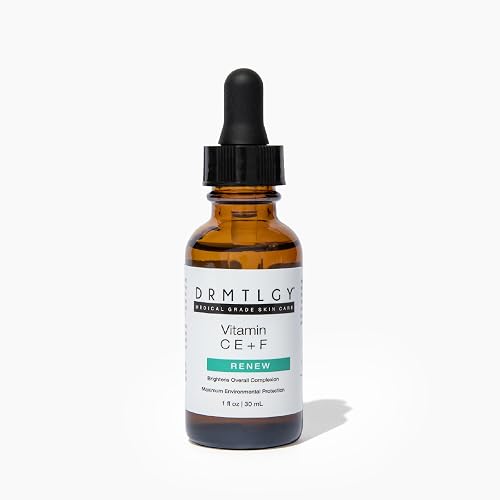
DRMTLGY Advanced C E Ferulic Antioxidant Serum — closest budget dupe
This one is the most-referenced CE Ferulic dupe in 2026 dermatology forums for a reason: 15% L-ascorbic acid, vitamin E, and ferulic acid in a lightweight formula that actually absorbs (the SkinCeuticals original can feel sticky on humid days). For mature women with an oily T-zone, the texture is the upgrade — it dries down matte rather than tacky. Pigmentation results show up in 6 to 8 weeks of daily use. At roughly one-fifth the price of the original, replacing it every three months stops being financially painful. View on Amazon
Timeless Skin Care 20% Vitamin C + E + Ferulic Acid Serum — clean ingredient list
Timeless built its reputation on a stripped-down, fragrance-free CE Ferulic-style formula that is explicitly marketed for both oily and dry skin. The base is closer to water than the SkinCeuticals original, which makes it the better choice if you wear foundation or sunscreen with silicones — no pilling. The 20% L-ascorbic acid concentration is higher than either SkinCeuticals product, so introduce it gradually if your barrier is sensitive. View on Amazon
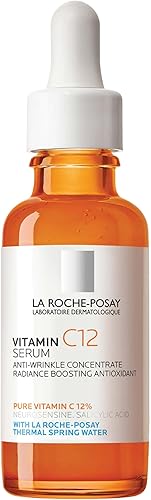
La Roche-Posay Pure 12% Vitamin C Serum (Oily Skin Formula) — pharmacy pick with salicylic acid
This is the closest functional match to Phloretin CF's logic at pharmacy pricing. The oily-skin version pairs 12% pure vitamin C with salicylic acid — the same combination strategy — in a gel-cream that genuinely controls midday shine. Hyaluronic acid in the base addresses the cheek dehydration that often coexists with an oily forehead in mature skin. Independently dermatologist-tested and well-reviewed for hormonal pigmentation. View on Amazon
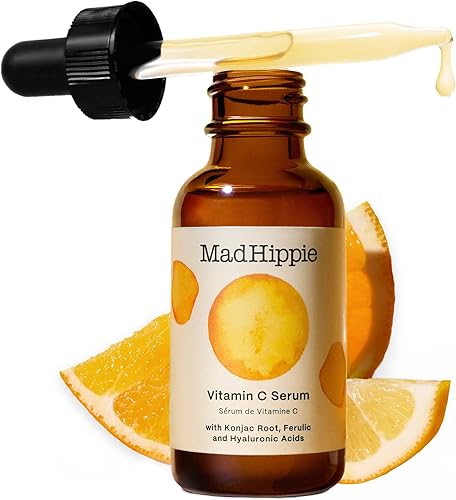
Mad Hippie Vitamin C Serum — low-irritation reformulation
For mature women whose skin has become reactive (post-menopausal barriers tend to thin), Mad Hippie uses sodium ascorbyl phosphate plus ferulic acid, vitamin E, and hyaluronic acid — a gentler, more stable form of vitamin C that still delivers brightening without the prickly tingle of L-ascorbic acid. The finish is light and non-greasy. Not as fast-acting on entrenched dark spots as Phloretin CF, but considerably less likely to irritate. View on Amazon
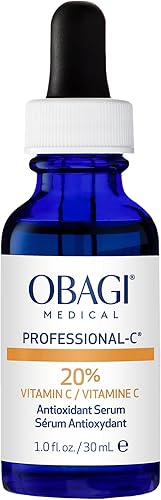
Obagi Professional-C Serum 15% — for the entrenched melasma case
If your primary concern is stubborn pigmentation that simply will not lift — the kind that has been there since pregnancy or perimenopause — Obagi's Professional-C at 15% is the more clinically aggressive option. It is in the same prescription-adjacent tier as SkinCeuticals and is often the serum that dermatologists prescribe alongside in-office treatments. The base is thinner than CE Ferulic, which suits combination T-zones reasonably well, though it lacks a built-in BHA. View on Amazon
How to actually use vitamin C if you have oily mature skin
Two practical changes make any of these serums work harder:
- Apply to skin that is fully dry, not damp. The marketing line about "damp skin boosts absorption" was written for hyaluronic acid, not vitamin C. L-ascorbic acid penetrates better when the stratum corneum is dry, and you will get less stinging.
- Use 4 to 5 drops only, and tap-press rather than rub. Mature skin with active oil production does not need more product — it needs even distribution. Rubbing creates pilling.
- Wait 90 seconds before sunscreen. Anything less and you get pilling under SPF, which is the #1 reason women in their 50s give up on vitamin C.
- Store it correctly. Vitamin C oxidizes with light, heat, and oxygen. Keep the bottle in the medicine cabinet, not on the windowsill, and toss it if the liquid turns dark amber or brown.
For more detail on the right percentage for your skin age and tolerance, see our guide on the ideal vitamin C concentration in luxury serums and our breakdown of how to pair vitamin C with the rest of your routine.
Frequently Asked Questions
Can I use Phloretin CF and CE Ferulic together?
Not stacked — that doubles the L-ascorbic acid load and almost guarantees irritation on mature skin. Some dermatologists do recommend alternating: Phloretin CF on the face in the morning for sebum and pigment control, CE Ferulic on the neck, chest, and dorsal hands a few nights a week for photo-repair. That split is sensible. Layering both on the same area on the same day is not.
Is Phloretin CF too drying for women over 50?
It can be, especially in winter. The 2% salicylic acid is mild, but stacked on top of menopausal skin and a dry climate it nudges some women toward flakiness on the cheeks. The workaround: use Phloretin CF only on the T-zone, and a richer hyaluronic acid serum on the perimeter. Or use Phloretin CF three mornings a week instead of seven. Compare alternatives in our best luxury vitamin C brightening serums 2026 roundup.
Will either serum break me out around my chin and jaw?
Phloretin CF is the less likely of the two to clog — the salicylic acid keeps pores moving. CE Ferulic's silicone base does not technically cause acne but can trap existing sebum on combination skin and create the appearance of new bumps. If you tend to get hormonal breakouts along the jaw, Phloretin CF or a salicylic-acid-containing alternative like La Roche-Posay's oily-skin formula is the safer bet.
Which one fades melasma faster on mature skin?
Phloretin CF, in most independent dermatologist reviews, because phloretin's tyrosinase-inhibiting action specifically targets the enzyme responsible for melasma pigment. CE Ferulic fades general dullness and post-sun damage well, but for hormonally driven patches around the upper lip and cheeks, the phloretin formula is more direct. Expect 8 to 12 weeks of consistent morning use plus daily SPF 50 to see real change.
How long do these serums last once opened?
Three months for either, four at the absolute outside if stored away from light and heat. Both turn from pale yellow to amber to dark brown as the L-ascorbic acid oxidizes; once you see a clear color shift, the antioxidant activity is largely gone even if the product still smells fine. This is why the lower-price alternatives are practical — you can replace them on schedule without flinching.
Can I use a retinol at night if I am using Phloretin CF in the morning?
Yes — this is the standard mature-skin protocol. Vitamin C in the morning under SPF, retinol at night under moisturizer. They work in different pathways (antioxidant defense versus cell turnover) and amplify each other's anti-aging effects without overlapping. Just introduce the retinol slowly if you are over 50 and your barrier is thin.
Are there any drugstore options that compare to Phloretin CF specifically?
The closest match is La Roche-Posay's 12% vitamin C with salicylic acid — it replicates the antioxidant-plus-BHA approach for under $40. CeraVe's 10% vitamin C with ceramides is a gentler alternative if you want barrier support too. Neither contains phloretin, so for the exact polyphenol benefit you do still need the SkinCeuticals original or a comparable mid-tier brand.
Key Takeaways
- Choosing the right SkinCeuticals Phloretin CF vs CE Ferulic for oily T-zone mature women means matching capacity and output ports to your actual devices
- Always check actual watt-hours (Wh), not just watts — runtime depends on Wh, not peak output
- Also covers: Phloretin CF vs CE Ferulic oily skin over 50
- Also covers: SkinCeuticals comparison mature oily T zone
- Also covers: Phloretin CF for combination mature skin
- Compare price-per-Wh across models to find the best value for your budget