For Filipina women battling stubborn cheek and forehead patches, the comparison of sisley phyto-blanc vs cle de peau for filipino melasma usually comes down to three things: how each formula behaves on warm, oily-combination skin in tropical humidity, how aggressively it targets layered epidermal-dermal pigment common in Southeast Asian complexions, and whether the price-to-result ratio actually justifies the splurge. Sisley Phyto-Blanc leans botanical, slow, and brightening across the entire complexion. Cle de Peau Beaute (specifically the Concentrated Brightening Serum and The Serum) leans more clinical, targeting melanocyte signaling directly. Below we break down which luxury choice fits Filipino melasma patterns, plus accessible vitamin C serum alternatives you can layer alongside both.
Why Filipino Melasma Behaves Differently
Filipina skin tones generally fall between Fitzpatrick III and V, meaning melanocytes are highly reactive to UV, visible light, heat, and hormonal triggers. Melasma in Manila, Cebu, Davao, and other Philippine cities is rarely just surface pigment. It is often mixed — partly epidermal (responds well to topical brighteners) and partly dermal (responds slowly, sometimes only to in-clinic procedures). Add in year-round sun exposure that does not seasonally taper the way it does in Europe or North America, plus humidity that pushes oilier skin types toward inflammation-driven pigmentation, and you have a complex problem that needs a multi-pronged routine.
This is why the sisley phyto-blanc vs cle de peau for filipino melasma debate matters more here than it does in cooler climates. A formula that brightens beautifully on Parisian skin may pill, oxidize, or sit heavy on a Filipina face that already sweats by 9 a.m. Likewise, a luxury serum that does not actually inhibit tyrosinase or interrupt melanin transfer will only deliver radiance, not true melasma reduction.
Sisley Phyto-Blanc at a Glance
Sisley's Phyto-Blanc line is built on the brand's botanical philosophy: white lily, vitamin CG (a glucoside form of vitamin C), edelweiss extract, and a cocktail of plant peptides. The hero serum (Le Concentre Intense or Intensive Brightening Serum, depending on market) is positioned as a daily preventive plus gradual corrector. Texture is silky, slightly emollient, and unscented in the Phyto-Blanc range relative to other Sisley products. On warm Filipino skin, the texture tends to sink in well as long as you do not over-apply.
Strengths for melasma in this niche: very low irritation potential, suitable for sensitive or barrier-compromised skin, plays well under sunscreen, and the stable vitamin C derivative does not oxidize quickly in humid bathrooms. Weaknesses: results are subtle and require 8 to 12 weeks of consistent use, and the brightening action is more about overall luminosity than aggressively breaking down established dermal pigment.
Cle de Peau Beaute Brightening Serums
Cle de Peau approaches brightening through a Shiseido-backed scientific lens. The Concentrated Brightening Serum (and the newer Le Serum) leverages 4-MSK (4-methoxysalicylic acid potassium salt), tranexamic acid in some regional formulations, and the brand's signature illuminating complex. 4-MSK is particularly well-studied in Japan and Korea for melasma and post-inflammatory hyperpigmentation — exactly the patterns Filipino derms see most often.
Strengths for Filipino melasma: more targeted melanin pathway interruption, faster visible improvement (often 4 to 8 weeks for surface tone), and a lightweight texture that suits humid weather. The brand's brightening line also tends to layer cleanly under makeup, which matters if you are commuting through Metro Manila heat. Weaknesses: higher price ceiling than Sisley in many cases, and the actives can feel mildly stimulating on very reactive skin if you over-layer with retinoids or exfoliating acids.
Head to Head Comparison
| Factor | Sisley Phyto-Blanc | Cle de Peau Brightening |
|---|---|---|
| Primary brightening actives | Vitamin CG, white lily, edelweiss, peptides | 4-MSK, tranexamic acid, illuminating complex |
| Best for Filipino skin type | Sensitive, dry-combination, barrier-fragile | Normal to oily-combination, resilient skin |
| Speed of melasma improvement | Slow, gradual (8-12+ weeks) | Moderate (4-8 weeks for surface tone) |
| Texture in humidity | Silky, slightly emollient | Lightweight, fast-absorbing |
| Layering with sunscreen | Excellent | Excellent |
| Targets dermal pigment | Minimal | Moderate |
| Price tier | Luxury (high) | Ultra-luxury (very high) |
| Verdict for melasma | Maintenance and prevention | Active correction |
Which One Wins for Filipino Melasma?
If your melasma is established, hormonal, or you have been treating it for months without dramatic shifts, Cle de Peau's 4-MSK approach is the more clinically targeted of the two. The sisley phyto-blanc vs cle de peau for filipino melasma question really hinges on whether you need active correction or preventive maintenance. Cle de Peau wins for correction. Sisley wins for maintenance after you have stabilized pigment through derm-prescribed treatments like hydroquinone cycling, oral tranexamic acid, or laser toning sessions popular at Manila aesthetic clinics.
That said, neither luxury serum alone will resolve true mixed melasma. You still need broad-spectrum SPF 50+ reapplied every two hours, visible-light protection (tinted mineral sunscreen with iron oxides), and ideally a stable, well-formulated vitamin C serum in the morning to neutralize oxidative stress before pigment is even triggered. This is where adding an accessible, well-formulated vitamin C product makes a meaningful difference without doubling your budget.
Smart Vitamin C Serums to Layer With Either Luxury Pick
Whether you choose Sisley or Cle de Peau, a morning vitamin C step amplifies brightening results and protects against the UV-driven oxidative damage that drives Filipino melasma flares. Below are real, well-reviewed serums worth considering as your morning antioxidant layer.
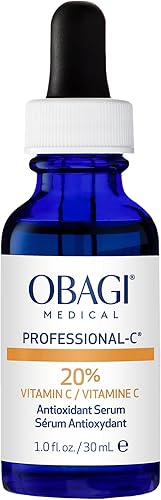
Obagi Medical Professional-C Vitamin C Serum
A dermatology-clinic favorite that derms in Makati and BGC often recommend for melasma-prone patients. The L-ascorbic acid formula comes in multiple strengths (10%, 15%, 20%) so you can match your skin's tolerance to Manila humidity. Pairs cleanly with both Sisley Phyto-Blanc applied in the evening and Cle de Peau used as a targeted treatment. View Obagi Professional-C on Amazon.
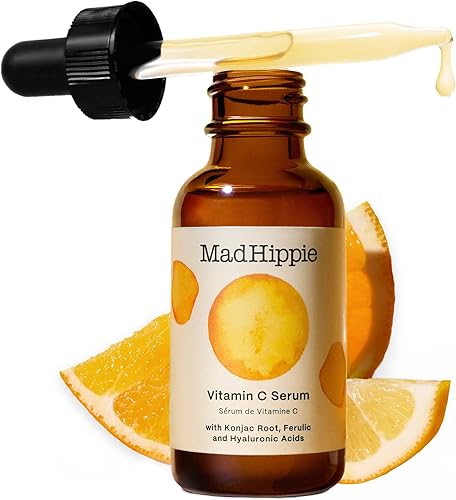
Mad Hippie Vitamin C Serum
Lower-irritation sodium ascorbyl phosphate plus ferulic acid and vitamin E, ideal for sensitive Filipino skin types that flush easily with stronger L-ascorbic acid. Texture is lightweight enough for humid mornings and does not pill under sunscreen or BB cream. A good antioxidant partner if your melasma routine already includes prescription tretinoin or hydroquinone and you cannot tolerate a strong acid serum. Check Mad Hippie on Amazon.
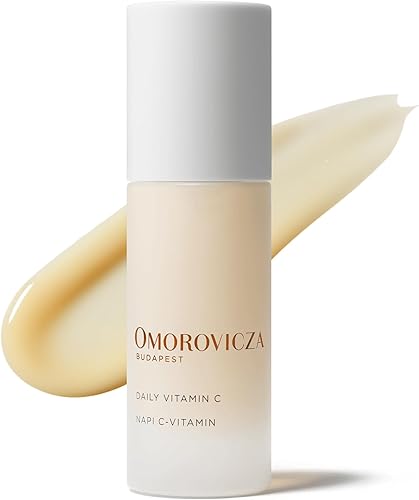
Omorovicza Daily Vitamin C Serum
A Hungarian luxury label that sits in roughly the same prestige tier as Sisley but with a more aggressive niacinamide and hyaluronic acid base. The oil-free, lightweight finish suits warm climates well. Great as a daily morning step if you want to keep brightening on the budget side of luxury while saving your Cle de Peau for evening treatment. See Omorovicza Daily Vitamin C on Amazon.
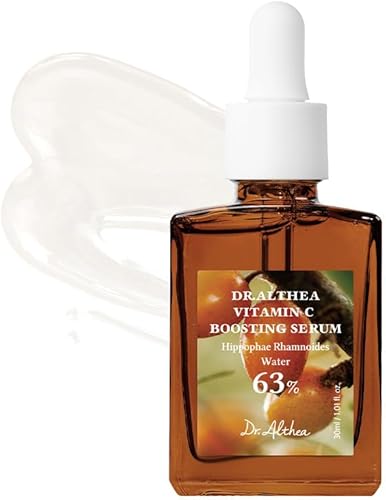
Dr. Althea Vitamin C Boosting Serum with Tranexamic Acid
Tranexamic acid is a melasma-specific actor that Filipino dermatologists frequently prescribe orally and topically. This Korean serum offers a daily topical dose alongside vitamin C, making it a strong companion to either Sisley or Cle de Peau. K-beauty texture is famously lightweight, which is essential in 32-degree Manila weather. Browse Dr. Althea on Amazon.
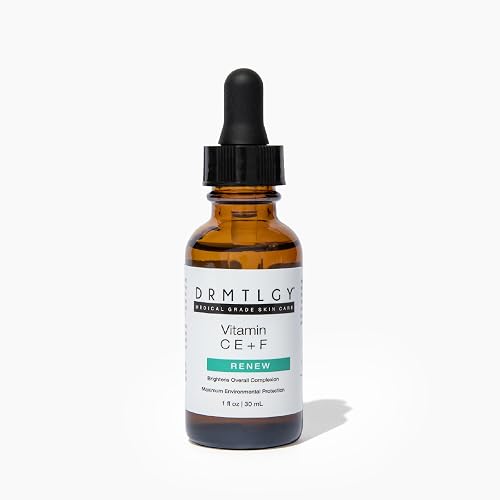
SkinCeuticals-Style Alternative: DRMTLGY Advanced C E Ferulic
If you want the classic 15% L-ascorbic + vitamin E + ferulic acid combination without the SkinCeuticals price tag, this dupe-tier serum holds up well. The CEF combination is the gold standard for antioxidant pigment defense and pairs naturally with Cle de Peau's 4-MSK or Sisley's botanical brighteners. View DRMTLGY CEF on Amazon.
How to Build the Routine
For a Filipina with mixed melasma, a realistic luxury-tier routine looks like this: morning gentle cleanse, vitamin C antioxidant serum (one of the Amazon picks above), niacinamide if your skin tolerates it, moisturizer, then SPF 50+ with iron oxides reapplied at lunch. Evening cleanse, optional retinoid or prescription brightener two to four nights per week, then either Sisley Phyto-Blanc (for maintenance) or Cle de Peau brightening serum (for active correction) on alternating nights or as your skin tolerates. Finish with a barrier-supporting moisturizer with ceramides or squalane.
Sun protection is non-negotiable. You can spend the equivalent of a month's rent on luxury serums, and a single unprotected weekend at Boracay or La Union will undo your progress. Iron-oxide-tinted sunscreen is especially important because visible light triggers melasma in darker Fitzpatrick types.
For deeper context, see our guides on best luxury vitamin C brightening serums for 2026, pairing vitamin C serums with the rest of your skincare, and ideal vitamin C concentrations in luxury serums. If you are still researching, our ultimate guide to luxury vitamin C brightening serums is a useful anchor.
Frequently Asked Questions
Is Sisley Phyto-Blanc strong enough for stubborn Filipino melasma on the cheeks?
Sisley Phyto-Blanc is better classified as a preventive and maintenance brightener rather than an aggressive melasma treatment. For stubborn cheek pigmentation common in Filipina skin, you will likely need either Cle de Peau's 4-MSK approach, a derm-prescribed regimen, or both. Sisley shines after you have already broken down the pigment and want to keep your skin even.
Can I use Cle de Peau brightening serum with tretinoin prescribed by my Manila dermatologist?
Yes, but with caution. Apply tretinoin and Cle de Peau on alternating evenings until you confirm tolerance, especially in humid weather where actives can feel more stimulating. Always layer a ceramide moisturizer on top, and never skip morning SPF. Some users prefer to apply Cle de Peau in the morning with vitamin C and reserve evenings for tretinoin alone.
Will either luxury serum work on dermal melasma or only epidermal pigment?
Topical serums, even luxury ones, work best on epidermal pigment. Dermal melasma usually requires in-clinic procedures like Q-switched laser toning, microneedling with tranexamic acid, or oral tranexamic acid prescribed by a board-certified dermatologist. Sisley and Cle de Peau both help maintain results after clinic treatments, but neither penetrates deeply enough to resolve dermal pigment alone.
Which serum is better for Filipina skin during pregnancy-related melasma (chloasma)?
Always consult your OB-GYN and dermatologist first. Generally, vitamin C derivatives and botanical brighteners in Sisley Phyto-Blanc are considered safer during pregnancy than 4-MSK or tranexamic acid in Cle de Peau, but the safety data is not absolute. Avoid retinoids and hydroquinone entirely during pregnancy. Sun protection becomes even more critical during chloasma flares.
How long until I see melasma fading with Cle de Peau brightening serum?
For surface epidermal pigment on Filipina skin, expect noticeable evening of tone in 4 to 8 weeks of consistent twice-daily use, assuming strict sun protection. Deeper or mixed melasma may take 12 weeks or more, and some patches may not fully resolve without clinical intervention. Photograph your skin in consistent lighting weekly to track honest progress.
Can I use Sisley Phyto-Blanc and Cle de Peau serums together?
Yes, on alternate nights, but it is rarely cost-effective. A better use of budget is one luxury serum (your choice based on goal) paired with an affordable but well-formulated vitamin C serum in the morning, plus diligent broad-spectrum SPF. Layering two ultra-luxury brighteners delivers diminishing returns relative to addressing the photoprotection and barrier health side of your routine.
Are there more affordable serums that work similarly to Cle de Peau for Filipino melasma?
Yes. Korean serums featuring tranexamic acid (like Dr. Althea Vitamin C Boosting Serum) and well-formulated CEF serums (like DRMTLGY Advanced C E Ferulic or Mad Hippie) deliver real melasma-relevant actives at a fraction of the price. They will not feel as luxurious as Cle de Peau, but for active pigment correction in a humid Filipino climate, they often outperform expectations when paired with strict sunscreen discipline.
Key Takeaways
- Choosing the right sisley phyto-blanc vs cle de peau for filipino melasma means matching capacity and output ports to your actual devices
- Always check actual watt-hours (Wh), not just watts — runtime depends on Wh, not peak output
- Also covers: best luxury vitamin c for filipina melasma
- Also covers: sisley vs cle de peau southeast asian skin
- Also covers: brightening serum comparison filipino hyperpigmentation
- Compare price-per-Wh across models to find the best value for your budget