Searching for perricone md vitamin c ester for rock climbers usually means you've earned the kind of windburn that turns post-send selfies into a study in chapped, red cheeks. Climbers who chase granite at altitude or limestone in winter need a luxury brightening serum that won't sting a compromised barrier, fades the patchy hyperpigmentation that follows UV-plus-wind exposure, and rebuilds lipid scaffolding between sessions. Perricone MD's Vitamin C Ester philosophy — using fat-soluble ascorbyl palmitate instead of straight L-ascorbic acid — is the right starting point because the ester form sinks into the stratum corneum without the acidic prickle that makes raw cheeks flinch.
Below we cover why ester chemistry matters for climbers and review five luxury serums that match the perricone md vitamin c ester for rock climbers brief: low sting, high brightening, and barrier-respectful enough to use the morning after a multi-pitch day. There's a comparison table, an application protocol tuned to climbing days, and a long-tail FAQ at the end.
Why an ester-form vitamin C is the right pick for windburned climber cheeks
Windburn is not sunburn. It's a mechanical and evaporative injury: cold, dry air strips the lipid film off your stratum corneum, capillaries dilate, and the barrier becomes permeable to anything you put on it. That's exactly when most vitamin C serums backfire. A 15-20% L-ascorbic acid formula at pH 2.6-3.2 will sting, flush, and sometimes trigger persistent redness on raw skin — even though that same serum behaves beautifully on an intact face.
Ester-form vitamin C (ascorbyl palmitate, tetrahexyldecyl ascorbate, ascorbyl glucoside, magnesium ascorbyl phosphate) sidesteps the problem. The molecule is buffered to a near-neutral pH, dissolves into the lipid matrix rather than sitting on top of it, and converts to active ascorbate inside the keratinocyte. You still get the brightening, collagen-supporting, antioxidant payoff — you just don't pay the inflammation tax. For rock climbers cycling between alpine UV, abrasive chalk dust, and indoor humidity swings, that delivery system is the difference between a serum you can use daily and one you abandon after a week.
For the broader logic of stacking C with ceramide moisturizers and SPF, see our guide to pairing vitamin C serums with the rest of your skincare.
Quick comparison: luxury vitamin C serums for windburned, climbing-exposed skin
| Serum | Vitamin C form | Best for | Texture |
|---|---|---|---|
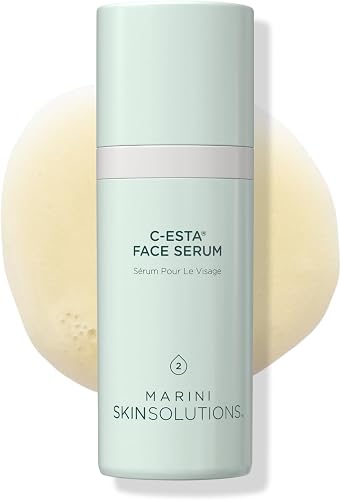
| Jan Marini C-ESTA | Ascorbyl palmitate ester + DMAE | Closest analogue to Perricone Vitamin C Ester | Lightweight cream-serum |
| Dr. Barbara Sturm The Good C | Stabilized C + antioxidants | Luxury daily brightener, gentle | Silky fluid |
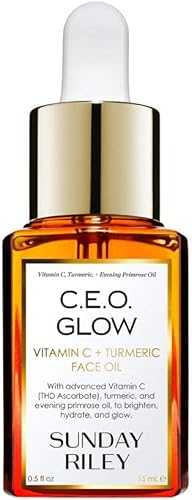
| Sunday Riley C.E.O. Glow | THD ascorbate (oil-soluble ester) | Windburn rescue + radiance | Dry oil |
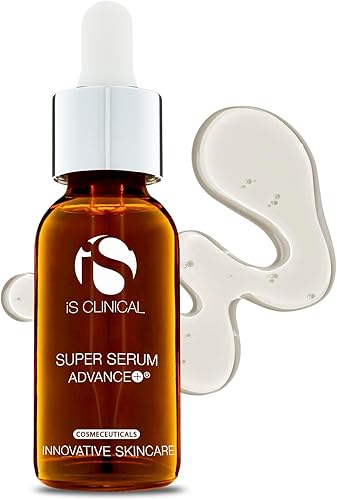
| iS CLINICAL Super Serum Advance+ | 15% L-AA, cushioned | Post-route redness, scar fading | Hydrating serum |
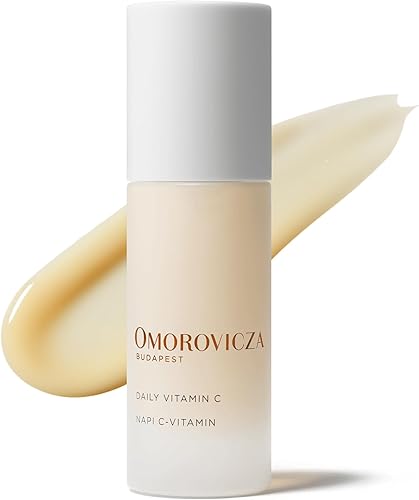
| Omorovicza Daily Vitamin C | Stable C + niacinamide | Oil-free hydration for gym sessions | Lightweight fluid |
1. Jan Marini C-ESTA Face Serum — the closest analogue to perricone md vitamin c ester for rock climbers
If you came here looking for the Perricone Vitamin C Ester experience specifically, Jan Marini's C-ESTA is the most direct substitute on the luxury market. It pairs ascorbyl palmitate — the same lipid-soluble ester Perricone built his Cold Plasma and Vitamin C Ester lines around — with DMAE for a firming, slightly tightening finish and hyaluronic acid for surface hydration. On windburned cheeks the cream-serum texture matters: it cushions the application instead of dragging across cracked skin, and the near-neutral pH means no flush. Climbers who multi-pitch in cold conditions report that a pea-sized amount under SPF lasts through a full day of belaying without re-application.
Check Jan Marini C-ESTA on Amazon
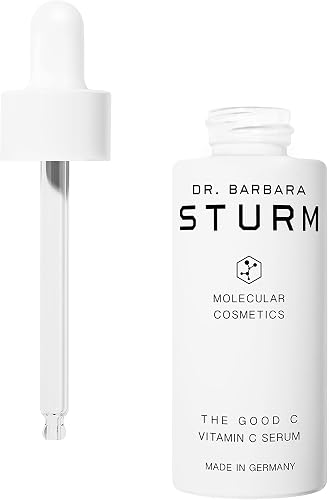
2. Dr. Barbara Sturm The Good C — the luxury daily brightener
The Good C is Dr. Barbara Sturm's take on a stabilized vitamin C serum: 1 fl oz of brightening fluid built around antioxidants, purslane, and hydrating actives that calm rather than provoke. It's the serum to reach for on rest days when your face has been through three crags in five days and the windburn has settled into a permanent flush. The hydration cushion is significant — you can layer it over a damp face without pilling, and it sinks in fast enough that you can be in your harness ten minutes later. Expensive per milliliter, but a bottle lasts roughly four months at one pump twice daily.
Check Dr. Barbara Sturm The Good C on Amazon
3. Sunday Riley C.E.O. Glow Vitamin C & Turmeric Face Oil — the windburn rescue
This is the serum-oil hybrid that earns its place in a climber's kit specifically because of its lipid base. THD ascorbate (tetrahexyldecyl ascorbate) is an oil-soluble vitamin C ester that doesn't sting, and Sunday Riley suspends it in a turmeric- and red-raspberry-seed oil blend that visibly cools an inflamed face within minutes. After a multi-pitch day on cold granite, two drops pressed into damp cheeks shortcut the recovery window from days to overnight. The turmeric tint can momentarily warm fair skin tones (it dissipates in about ten minutes), so apply at night the first few times to dial in your dose.
Check Sunday Riley C.E.O. Glow on Amazon
4. iS CLINICAL Super Serum Advance+ — the post-route repair serum
iS CLINICAL's Super Serum Advance+ uses a 15% L-ascorbic acid base — higher than the ester serums above — but cushions it with copper tripeptides, mushroom extract, and zinc sulfate so the formula performs more like a healing balm than a typical L-AA serum. It's explicitly marketed for scar fading and post-procedure recovery, which is exactly the use case for climbers nursing chronic windburn-driven hyperpigmentation across the cheekbones and nose bridge. Use it at night on cleansed skin; allow 60 seconds before layering a ceramide moisturizer. If your skin is rosacea-prone, patch test along the jaw first.
Check iS CLINICAL Super Serum Advance+ on Amazon
5. Omorovicza Daily Vitamin C — the oil-free hydrator for humid gym days
Not every climbing day happens at altitude. If your training cycle is dominated by sweaty bouldering gym sessions where chalk dust and friction matter more than wind, Omorovicza's Daily Vitamin C is the lightweight, oil-free option. It pairs stable vitamin C with niacinamide and hyaluronic acid — the niacinamide does the dual work of regulating sebum and reinforcing barrier ceramides, so your face survives both an indoor session and an outdoor recovery day without separate serums. The Hungarian thermal water base gives it the lightest finish of the five options here.
Check Omorovicza Daily Vitamin C on Amazon
How to apply vitamin C around climbing days
The application protocol matters more than the dollar amount you spend on the bottle. Climbers should treat vitamin C as a recovery tool, not just a brightener.
Morning of a climbing day: Cleanse, pat dry, apply 3-4 drops of an ester-form serum (C-ESTA, C.E.O. Glow, or The Good C). Wait 60 seconds. Layer a ceramide moisturizer, then a mineral SPF 50 — zinc-based is non-negotiable above 5,000 feet. Reapply SPF every two hours of exposure with a stick under your helmet rim.
Night after a windy day: Cleanse gently — no acids, no scrubs. Apply Sunday Riley C.E.O. Glow or iS CLINICAL Super Serum to damp skin. Seal with a thicker night cream or facial oil. Skip retinoids for 48 hours if your cheeks are visibly chapped.
Storage: Vitamin C oxidizes in heat and light. Never leave your serum in a car at the trailhead. See our notes on storing luxury vitamin C serums for shelf-life tips on expedition trips.
For climbers with reactive or rosacea-prone skin who want a deeper read on which formulas to avoid, our 2026 guide to vitamin C for sensitive skin covers the additional formulation flags worth knowing.
Frequently Asked Questions
Is Perricone MD Vitamin C Ester actually different from regular vitamin C serums?
Yes. Perricone MD's Vitamin C Ester line uses ascorbyl palmitate, a lipid-soluble derivative that penetrates the stratum corneum without the low-pH sting of L-ascorbic acid. The brightening and collagen payoff is comparable on intact skin, but the ester form is dramatically better tolerated on a compromised barrier — exactly the situation for climbers with windburned cheeks. The trade-off is slower visible results: expect 6-8 weeks for ester serums versus 3-4 weeks for high-percentage L-AA formulas.
Can rock climbers use vitamin C serum on the wall during long routes?
Don't apply vitamin C mid-route. The serum needs a clean canvas and a few minutes to absorb before SPF, neither of which you have between pitches. The right protocol is to apply at the trailhead before you rope up, then carry a tinted mineral SPF stick for top-ups during the day. Save the vitamin C for the post-route recovery routine that evening.
Will vitamin C serum help fade existing windburn pigmentation on cheeks?
Yes, gradually. The persistent reddish-brown patches that develop after repeated windburn exposure are a mix of post-inflammatory erythema and post-inflammatory hyperpigmentation. Vitamin C inhibits tyrosinase (slowing new melanin production) and quenches the free radicals that drive ongoing inflammation. Pair an ester serum with daily SPF 50 and expect visible fading at 8-12 weeks. Niacinamide-containing formulas like Omorovicza Daily Vitamin C accelerate the timeline.
What's the difference between ascorbyl palmitate and tetrahexyldecyl ascorbate?
Both are oil-soluble vitamin C esters. Ascorbyl palmitate (the Perricone hero molecule, and the active in Jan Marini C-ESTA) is the more established option with decades of safety data. Tetrahexyldecyl ascorbate (THD ascorbate, the active in Sunday Riley C.E.O. Glow) is newer, generally regarded as more stable, and absorbs faster into lipid-rich skin. For windburned cheeks, both work; THD ascorbate has a slight edge if you want an oil texture, palmitate if you want a cream-serum.
Should climbers layer vitamin C with niacinamide?
Yes — the old "don't mix C and niacinamide" rule is outdated. Modern formulations combine both safely, and the pairing is actively useful for windburned skin because niacinamide reinforces ceramides while vitamin C handles pigmentation. Omorovicza Daily Vitamin C and several Korean and Naturium formulas pre-blend them. If you're layering separately, apply vitamin C first, wait 60 seconds, then niacinamide.
Does altitude UV require a stronger vitamin C than sea-level climbing?
Altitude doesn't change the vitamin C concentration you need — it changes the SPF discipline around it. UV intensity increases roughly 10-12% per 1,000m of elevation, but the serum's job is antioxidant defense and pigmentation control, not UV blocking. A 10-15% stable vitamin C remains appropriate at 4,000m; the variables to scale are SPF reapplication frequency and the use of physical barriers (buff, sun hoody, brimmed helmet liner).
Can I use vitamin C serum on chapped, broken skin from severe windburn?
If skin is actively cracked or weeping, pause vitamin C until the barrier closes — typically 3-5 days of ceramide-rich balm and zero actives. Once the surface is intact but still pink, restart with an ester form (C-ESTA or C.E.O. Glow), every other night, building back to daily over two weeks. L-ascorbic acid serums should not be reintroduced until your cheeks tolerate a splash of cold water without stinging.
Key Takeaways
- Choosing the right perricone md vitamin c ester for rock climbers means matching capacity and output ports to your actual devices
- Always check actual watt-hours (Wh), not just watts — runtime depends on Wh, not peak output
- Also covers: vitamin c serum for climbers windburn
- Also covers: perricone for alpine climbers cheek damage
- Also covers: brightening serum for outdoor climbers
- Compare price-per-Wh across models to find the best value for your budget