Yes—Obagi Medical Professional-C Serum 20% can meaningfully fade post-acne hyperpigmentation on Fitzpatrick IV–VI skin, but only when paired with disciplined sunscreen, a gradual ramp-up, and supporting ingredients that calm reactive melanocytes. The 20% L-ascorbic acid formula is the brand's strongest, and users with deeper complexions report visible dark-spot lightening within eight to twelve weeks of consistent morning use. Below we unpack why the obagi professional c serum 20 for post acne hyperpigmentation conversation is so specific to melanin-rich skin, compare it with other luxury vitamin C options, and outline a safe protocol that avoids the rebound pigmentation deeper tones are most prone to.
Why deeper skin tones need a different vitamin C strategy
Post-inflammatory hyperpigmentation (PIH) is the brown, slate, or violet patch an acne lesion leaves behind once it heals. In Fitzpatrick IV–VI skin, melanocytes are larger, more reactive, and quickly provoked by inflammation, UV, friction, or over-exfoliation. A vitamin C serum that brightens pale skin in two weeks may take eight to sixteen weeks to do the same on a deeper complexion—and can cause rebound darkening if the formula is destabilized or applied alongside overly aggressive actives.
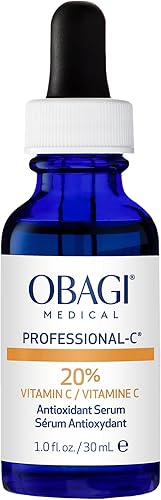
L-ascorbic acid at 20% works against PIH through three mechanisms: it inhibits tyrosinase (the enzyme that catalyzes melanin synthesis), neutralizes the free radicals generated during acne inflammation, and supports collagen remodeling in the dermis where pigment has dropped through a damaged epidermal barrier. Obagi's formulation is anhydrous and silicone-rich, which keeps the ascorbic acid more stable than many water-based competitors and reduces the sting that sensitized or barrier-compromised skin often reports.
How Obagi Professional-C 20% performs on melanin-rich skin
The hero claim around the obagi professional c serum 20 for post acne hyperpigmentation routine is the high, stabilized concentration. At 20% L-ascorbic acid, you are at the upper boundary of what most dermatologists consider both effective and tolerable. Higher than that, and stinging, dryness, and—in deeper skin—paradoxical darkening become real risks. Lower than roughly 10%, and tyrosinase inhibition is too weak to budge stubborn PIH within a reasonable window.
What separates Obagi from drugstore-priced 20% options is the carrier system. The serum uses a silicone-based glide rather than a water-and-glycol base, which delays oxidation (the orange-brown color shift that signals the vitamin C has degraded into dehydroascorbic acid and beyond). Oxidized vitamin C is not just inactive; on Fitzpatrick IV–VI skin it can deposit a yellow-brown stain that mimics the very pigmentation you are trying to fade.
Comparison table: luxury vitamin C serums for post-acne marks on deeper tones
| Serum | Vitamin C Form & Strength | Melanin-Suppressing Helpers | Best Match When |
|---|---|---|---|
| Obagi Professional-C Serum 20% | L-ascorbic acid 20% | None added—works through pure VC potency | You tolerate strong actives and want clinical brightening |
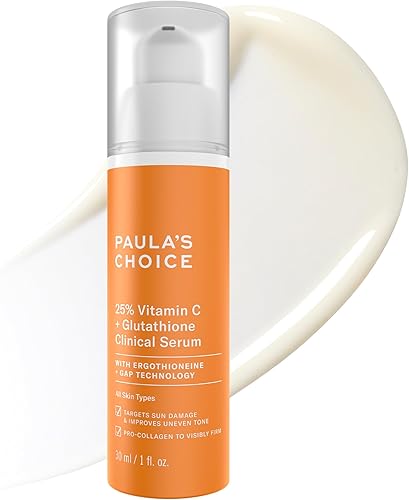
| Paula's Choice 25% Vitamin C Super Serum | L-ascorbic acid 25% | Glutathione, ferulic acid, vitamin E | You want the strongest melanin suppression stack available OTC |
| Skinfix Brighten + Firm 15% Vitamin C | L-ascorbic acid 15% | Niacinamide, peptides | Your skin is sensitive, post-procedure, or new to vitamin C |
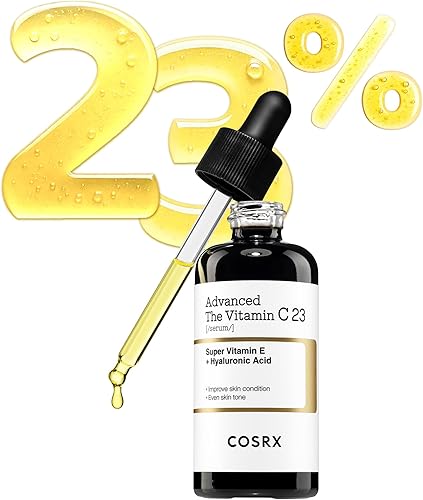
| COSRX Advanced Pure 23% Vitamin C | L-ascorbic acid 23% | Glutathione, vitamin E | You prefer a K-beauty layered routine with gentle exfoliation |
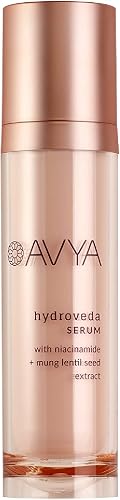
| AVYA Hydroveda Restoring Vitamin C | Ayurvedic vitamin C complex | Adaptogenic botanicals, soothing oils | You want a gentler, scar-focused alternative for reactive skin |
Top product picks
Best overall: Obagi Medical Professional-C Serum 20%
The flagship Obagi Professional-C at 20% remains our top recommendation when fading post-acne hyperpigmentation on deeper skin tones is the explicit goal. The silicone carrier delivers a velvety finish that layers cleanly under sunscreen, and the high concentration is potent enough to make a measurable dent in PIH within a two- to three-month window. Apply four to five drops every morning to clean, dry skin, follow with a hydrating moisturizer, and finish with a broad-spectrum SPF 50. View Obagi Professional-C 20% on Amazon.
Strongest melanin suppression: Paula's Choice 25% Vitamin C Super Serum
If you have already tolerated 15–20% vitamin C and want a more aggressive option, the Paula's Choice 25% formulation pairs L-ascorbic acid with glutathione—an antioxidant that interferes with melanin transfer rather than synthesis alone. The two mechanisms together can be especially useful on stubborn cheek or jawline PIH that has resisted single-actor formulas. Patch-test for one week before daily use, and back off to alternate days if you notice any tightness on deeper skin. Check Paula's Choice 25% Vitamin C on Amazon.
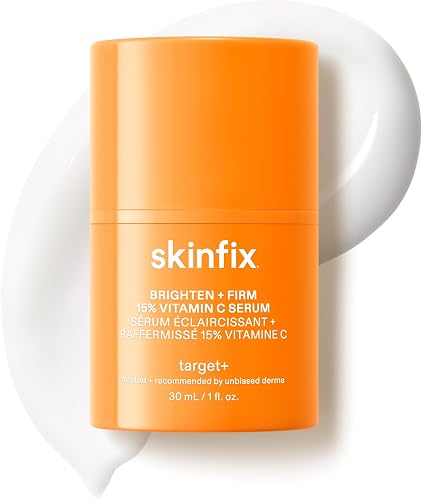
Sensitive-skin alternative: Skinfix Brighten + Firm 15%
For readers whose barrier is already compromised by retinoids, benzoyl peroxide, or recent in-office treatments, dropping to a 15% serum buffered with niacinamide is the smart move. Skinfix Brighten + Firm combines that concentration with calming ceramides, so deeper skin tones get tyrosinase inhibition without the inflammatory cascade that triggers rebound pigmentation. Use it for four to six weeks to rebuild tolerance before considering a 20% formula. See Skinfix Brighten + Firm on Amazon.
K-beauty contender: COSRX Advanced Pure Vitamin C 23% Serum
The COSRX 23% serum is unusual in delivering a near-top-shelf ascorbic acid concentration in a small, affordable package—and it builds in glutathione and vitamin E so the formula stabilizes and synergizes. The viscous, slightly tacky texture layers well with Korean essences and toners, making it a strong fit if your routine already follows a multi-step K-beauty rhythm. Use within three months of opening and store away from light. Browse COSRX Pure Vitamin C 23% on Amazon.
Gentler scar-focused pick: AVYA Hydroveda Restoring Vitamin C
If post-acne scars and reactive skin are equal concerns, AVYA's Ayurvedic-inspired serum uses a milder vitamin C complex alongside adaptogenic botanicals and soothing oils. It will not match the punch of a 20% L-ascorbic acid formula on dark spots, but it is gentler on skin that flares with traditional actives—and meaningful for the texture component of acne scarring. Many readers run AVYA on "rest days" between Obagi applications. View AVYA Hydroveda on Amazon.
A safe protocol for deeper skin tones
The single biggest mistake we see on Fitzpatrick IV–VI skin is racing to daily use of a 20% serum. Start with three mornings per week for the first two weeks, increase to every other morning for two more weeks, and only then consider daily use. Watch for any darkening, tightness, or a "shiny tight" feeling—these are early signals that the serum is outpacing your barrier and may trigger PIH rather than fade it.
Sunscreen is non-negotiable. Vitamin C is a co-actor with SPF, not a replacement for it, and unprotected UV exposure will erase weeks of fading in a single afternoon. Choose a broad-spectrum SPF 50 that you actually enjoy reapplying. For more on building the surrounding routine, see our guide on how to apply luxury vitamin C serums and our breakdown of the ideal vitamin C concentration in luxury serums.
Layering matters too. On deeper skin, avoid stacking the obagi professional c serum 20 for post acne hyperpigmentation routine with daily exfoliating acids (glycolic, lactic, mandelic) and a strong retinoid in the same window. Pick a two-active rhythm: vitamin C plus SPF in the morning, retinoid plus moisturizer at night, and reserve exfoliating acids for one or two nights a week. Niacinamide and azelaic acid are safe daytime companions that compound the brightening effect without inflaming melanocytes.
How to tell the serum is working—or not
Genuine PIH fading is gradual, even, and slightly uneven across the face (lighter areas fade faster than denser pigment clusters). If you see dark spots turn slightly lighter with softer edges within four to six weeks, the serum is working. If spots look darker, the serum smells metallic, the liquid has turned amber-brown, or new flat brown patches appear in friction-prone areas (jawline, temples, hairline), stop immediately and consult a dermatologist familiar with skin of color.
Storage is the silent killer of vitamin C results. Keep the bottle in a cool, dark cabinet—not on the bathroom sink under a window. Heat and light accelerate oxidation, and a $100 serum that has gone amber is far less effective than a fresh $25 alternative. For a deeper look at this category, see our 2026 picks for sensitive-skin vitamin C serums.
Frequently Asked Questions
Can Obagi Professional-C 20% cause hyperpigmentation on deeper skin tones?
It can, but only if applied incorrectly. Daily use from day one, layering with multiple strong actives, skipping sunscreen, or continuing use after the serum has oxidized are the common triggers. Ramp up slowly over four weeks, pair only with niacinamide or azelaic acid initially, wear SPF 50 daily, and discard the bottle if the liquid darkens beyond a pale straw color.
How long does Obagi Professional-C 20% take to fade post-acne marks?
Most users with Fitzpatrick IV–VI skin see early softening of dark spots between weeks four and six, with more obvious fading by weeks eight to twelve. Full resolution of stubborn PIH can take four to six months. New active breakouts will continue to leave new marks during this period, so combining the serum with an effective acne plan is essential.
Is 20% vitamin C too strong for sensitive Black or brown skin?
Not necessarily, but it requires a slower introduction. If you have a history of eczema, easily provoked redness (visible as a dusky, warm flush on deeper skin), or active barrier damage, start with a 15% formula buffered with niacinamide—Skinfix Brighten + Firm is a smart entry point—before stepping up to Obagi at 20% over six to eight weeks.
Should I use Obagi Professional-C 20% with retinol or tretinoin?
Yes, but split them across morning and evening. Use the vitamin C serum after cleansing each morning, then moisturizer and sunscreen. Apply your retinoid at night, after a gentle cleanse and before moisturizer. Avoid layering the two within the same routine; the pH conflict reduces vitamin C efficacy and amplifies retinoid irritation on melanin-rich skin.
What sunscreen works best with Obagi Professional-C on deeper skin tones?
Look for a broad-spectrum SPF 50 with a tinted iron oxide finish, which extends protection into the visible-light range that drives melasma and PIH on deeper complexions. Tinted mineral formulas avoid the gray cast that traditional zinc-only sunscreens leave behind. A lightweight Korean chemical sunscreen with an invisible finish is a strong alternative if you prefer no tint.
How is Obagi Professional-C 20% different from SkinCeuticals C E Ferulic?
Both are clinical-strength L-ascorbic acid serums, but SkinCeuticals adds vitamin E and ferulic acid to extend stability and antioxidant performance, while Obagi relies on a higher concentration in a silicone base. For deeper skin tones focused specifically on PIH, the practical difference is modest—Obagi's silicone glide layers better under sunscreen for many users, while SkinCeuticals' ferulic complex feels more elegant on dehydrated skin.
Can I use Obagi Professional-C 20% on active acne lesions?
Yes, with care. Vitamin C does not treat acne directly, but its antioxidant action can calm the inflammation that drives new PIH. Avoid spot-applying it to a freshly extracted or open lesion, since the ascorbic acid will sting and may worsen pigmentation in the short term. Apply to the broader face, skip raw spots, and resume full coverage once the lesion has fully scabbed and flattened.
Key Takeaways
- Choosing the right obagi professional c serum 20 for post acne hyperpigmentation means matching capacity and output ports to your actual devices
- Always check actual watt-hours (Wh), not just watts — runtime depends on Wh, not peak output
- Also covers: obagi 20 percent for dark skin
- Also covers: obagi serum PIH
- Also covers: obagi vitamin c melanin rich skin
- Compare price-per-Wh across models to find the best value for your budget