If you spend your days at a gather bench, glory hole or annealing oven, you already know what radiant heat does to a face: tight, ruddy cheeks, broken capillaries on the bridge of the nose, oxidative dullness across the forehead, and stubborn brown patches where sweat-salt and sunscreen failed at the same time. The Natura Bissé C+C vitamin complex for glassblowers furnace heat skin conversation usually starts here, because that emerald-bottle serum is one of the few luxury vitamin C formulas designed around antioxidant defense against environmental aggressors — exactly the cocktail of UV, infrared and free radicals streaming off molten glass at 2,100°F. Below we break down why a C+C-style approach works for furnace skin, what to look for if Natura Bissé is sold out or off-budget, and the closest stable, high-potency alternatives you can order from Amazon today.
Why Furnace Heat Demands a Different Kind of Vitamin C
Radiant infrared (IR-A) from a glass furnace penetrates deeper than UV. It triggers matrix metalloproteinases that degrade collagen, accelerates lipid peroxidation in the stratum corneum, and ramps up melanogenesis even through a face shield. Glassblowers commonly report three concurrent issues: persistent diffuse erythema across the cheeks, post-inflammatory hyperpigmentation along the jawline (where heat lingers longest), and a leathery, dehydrated texture that no amount of moisturizer seems to fix.
A traditional 20% L-ascorbic acid serum can actually worsen this picture. Pure ascorbic acid is acidic, photo-unstable, and can sting compromised barrier skin. What you want for furnace heat skin is the C+C blueprint: two complementary forms of vitamin C (one fast-acting, one stable and slow-release) layered with ferulic acid, vitamin E, niacinamide and humectants. That combination neutralizes IR-A-driven free radicals, calms heat-flushed capillaries, and quietly fades the bronze-toned pigmentation that furnace workers accumulate season after season.
What the Natura Bissé C+C Vitamin Complex Does Well
Natura Bissé’s C+C is built around two delivery systems for vitamin C plus a high dose of vitamin E, designed to behave like a daytime antioxidant shield. For glassblowers it has three useful properties: it is non-acidic enough to layer under mineral SPF before a shift, it carries enough vitamin E to quench heat-generated peroxides, and the silky finish doesn’t pill under a respirator or face shield. The drawback is price and stocking inconsistency on Amazon — which is exactly why the alternatives below matter.
Comparison: Luxury Vitamin C Serums for Furnace-Exposed Skin
| Serum | Vitamin C Form | Heat-Skin Benefit | Best For |
|---|---|---|---|
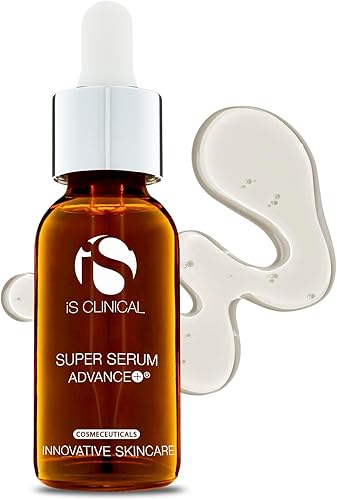
| iS Clinical Super Serum Advance+ | 15% L-ascorbic + copper tripeptide | Repairs IR-damaged collagen, fades heat-induced scarring | Veteran glassblowers with mature skin |
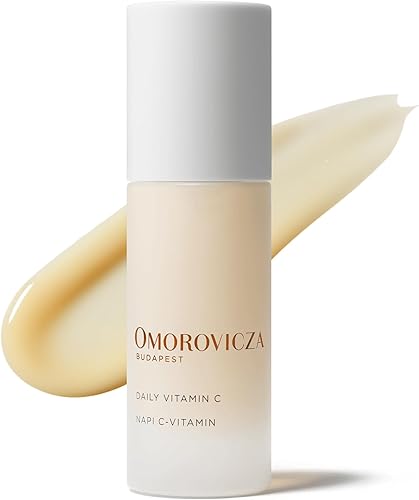
| Omorovicza Daily Vitamin C | Stable C + niacinamide | Calms redness, oil-free under shield | Combination skin, daily glory-hole work |
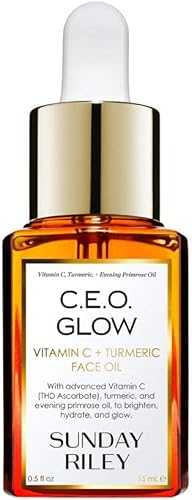
| Sunday Riley C.E.O. Glow | THD ascorbate (oil-stable) | Replenishes lipids stripped by radiant heat | Dry, leathery furnace skin |
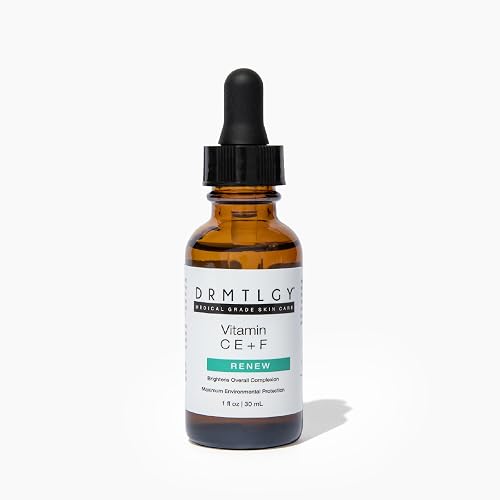
| DRMTLGY Advanced C E Ferulic | 15% L-ascorbic + E + ferulic | Classic CEF antioxidant shield | Budget-friendly daily armor |
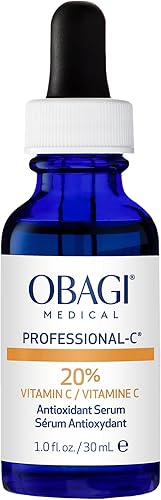
| Obagi Professional-C 15% | 10–20% L-ascorbic acid | Clinical-grade pigment correction | Persistent jawline hyperpigmentation |
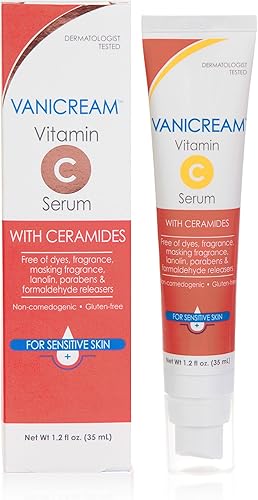
| Vanicream Vitamin C | Tetrahexyldecyl ascorbate | No-sting on heat-flushed barrier | Reactive, rosacea-prone furnace skin |
Top Picks Closest to the Natura Bissé C+C Approach
iS Clinical Super Serum Advance+
If the Natura Bissé C+C vitamin complex for glassblowers furnace heat skin ritual appeals to you because of its repair-and-defend dual action, iS Clinical Super Serum Advance+ is the closest clinical analog on Amazon. It pairs 15% L-ascorbic acid with copper tripeptide growth factor and arbutin, which is exactly the mix needed when years of standing at the bench have left you with both micro-scarring from spatter burns and a permanent ruddy overlay. Apply two drops to clean skin every morning, wait sixty seconds, then layer your mineral SPF 50. View on Amazon.
Omorovicza Daily Vitamin C Serum
Omorovicza’s Hungarian thermal-water heritage makes this an unusually thoughtful pick for skin that runs hot all day. The formula combines a stabilized vitamin C derivative with niacinamide and hyaluronic acid in a lightweight oil-free fluid that won’t slip under a face shield or mix poorly with the sweat that pools beneath one. Niacinamide specifically tempers the diffuse facial flushing that furnace workers report after long pulls at the glory hole. View on Amazon.
Sunday Riley C.E.O. Glow Vitamin C & Turmeric Face Oil
Radiant heat doesn’t just oxidize — it desiccates. By the end of a long shift, many glassblowers describe their cheeks as feeling like parchment that was held too close to a candle. Sunday Riley’s C.E.O. Glow uses tetrahexyldecyl ascorbate (an oil-soluble, non-acidic vitamin C that stays stable in the bottle and on the skin) blended with turmeric and red raspberry seed oil. It restores the lipid layer that infrared exposure strips out, and the turmeric helps calm the chronic erythema across the mid-face. Best used as an evening treatment after a hot shop day. View on Amazon.
DRMTLGY Advanced C E Ferulic Antioxidant Serum
If you need an everyday workhorse that mimics the C+E+ferulic gold standard at a working-artisan budget, DRMTLGY’s 15% vitamin C, vitamin E and ferulic acid blend is the most cost-effective option in this lineup. The ferulic acid stabilizes the L-ascorbic acid and — importantly for furnace work — has its own UV and IR-quenching activity, so you’re getting overlapping antioxidant coverage at every wavelength your skin sees in front of the gather bench. View on Amazon.
Obagi Medical Professional-C Vitamin C Serum
For the deep, set-in pigmentation that veteran glassblowers carry along the jawline and temples — the spots that don’t fade between seasons — Obagi’s Professional-C line remains the clinical pigment-corrector of choice. Start with the 10% if your barrier is reactive from heat exposure, and graduate to the 15% or 20% once you’re tolerating it cleanly. Use only at night during active studio months so you’re not stacking acidic actives with daily infrared exposure. View on Amazon.
Vanicream Vitamin C Serum
Not every glassblower can tolerate a high-percentage L-ascorbic acid serum after a shift — the skin is already inflamed, the barrier is compromised, and stinging is unacceptable. Vanicream’s milky tetrahexyldecyl ascorbate formula is fragrance-free, dye-free, and dermatologist-tested for sensitive skin. It delivers meaningful brightening and antioxidant protection without the heat-flushed sting that pure ascorbic acid causes on freshly furnace-exposed cheeks. View on Amazon.
How to Build a Furnace-Skin Routine Around Your Serum
The discipline that turns a luxury vitamin C serum into actual long-term protection has three rules. First, antioxidants go on before sunscreen, every morning, even on cold-shop days — oxidative stress accumulates regardless of whether you’re actively gathering. Second, mineral SPF 50 with zinc oxide is non-negotiable; chemical filters degrade faster under IR exposure. Third, your post-shift routine should focus on barrier repair, not more actives: a gentle cleanse, a humectant essence, and an occlusive balm on any spatter burns.
If you are still narrowing down your shortlist, our guide to top features of luxury vitamin C serums walks through stability, concentration and packaging in more depth, and our breakdown of the best vitamin C serums for sensitive skin in 2026 is especially useful if your barrier is already compromised from heat exposure. For application timing around shifts, see how to apply luxury vitamin C serums.
What to Avoid When You Work Around Heat
Three formulation traits will sabotage you in a hot shop. Clear glass packaging is the first — ascorbic acid oxidizes on light exposure, and your bathroom sees enough morning sun to turn a $200 serum orange in eight weeks. Look for amber, opaque or airless pumps. The second is high alcohol content, which strips an already-dehydrated barrier; check the first five ingredients. The third is essential-oil-heavy “glow” serums marketed as luxury but loaded with citrus oils that photosensitize skin precisely when it needs the opposite. Proper storage of luxury vitamin C serums also matters more than most furnace workers realize — a fridge in the studio mudroom can double your serum’s working life.
Layering Vitamin C With Other Actives for Heat-Damaged Skin
The Natura Bissé C+C vitamin complex for glassblowers furnace heat skin approach assumes a layered routine, not a single hero product. In the morning, your vitamin C should be followed by niacinamide (if not already in the serum), a hyaluronic acid essence, a ceramide moisturizer, and mineral SPF. At night, alternate retinoids with azelaic acid or tranexamic acid — both of which address the inflammatory pigmentation that furnace heat drives — and skip acidic exfoliants on consecutive nights. Our piece on pairing vitamin C serums with the rest of your skincare covers the conflicts to avoid.
Frequently Asked Questions
Is the Natura Bissé C+C vitamin complex actually formulated for occupational heat exposure?
Natura Bissé doesn’t market C+C specifically to glassblowers, but the formulation logic — two vitamin C forms plus vitamin E in a non-acidic delivery — happens to map closely to what dermatologists recommend for chronic infrared and UV exposure. Glassblowers, welders, foundry workers and bakers all benefit from the same antioxidant architecture, which is why the serum has developed a quiet following in trade communities.
Can I wear a vitamin C serum under a face shield while gathering glass?
Yes, but choose a quick-absorbing fluid or gel-fluid rather than an oil. Oils can transfer to the inside of polycarbonate shields and create a foggy film that distorts your view of the gather. Apply the serum, wait at least sixty seconds, then layer mineral sunscreen and let it set for another two minutes before donning the shield.
Will vitamin C help with the broken capillaries I’ve developed on my nose and cheeks?
Vitamin C strengthens the vascular wall and supports collagen synthesis around capillaries, so over months it can reduce the appearance of new telangiectasias and prevent worsening. It will not erase capillaries that are already fully formed — those typically require an in-office vascular laser — but pairing a daily C serum with strict mineral SPF will slow the rate at which new ones appear.
How long before I see brightening on furnace-related hyperpigmentation?
Surface dullness from oxidative stress usually improves in two to four weeks. Genuine post-inflammatory hyperpigmentation — the brown patches along the jaw and temples — takes eight to sixteen weeks of consistent use, and only if you are also wearing SPF 50 every day. Stacking a stabilized vitamin C with niacinamide and tranexamic acid accelerates the timeline.
Should I switch to a fragrance-free formula if my cheeks burn after applying serum post-shift?
Yes — immediately. A stinging sensation on post-furnace skin is a barrier-compromise signal, not a sign the product is “working.” Move to a tetrahexyldecyl ascorbate formula such as Vanicream’s milky serum or Sunday Riley C.E.O. Glow, both of which are non-acidic and gentle enough for heat-irritated skin. Save your higher-percentage L-ascorbic acid serum for mornings before your shift, not after.
Can I use vitamin C serum on the heat rash that flares up along my hairline?
Skip the vitamin C on actively inflamed miliaria. Treat the rash first with a cool compress, a barrier-restorative cream containing ceramides, and ideally 24–48 hours away from the furnace. Once the rash resolves, reintroduce vitamin C below the hairline only, and consider a non-greasy hydrating mist for the scalp margin during shifts.
What’s a reasonable luxury vitamin C budget for someone in the trades?
You can build a complete furnace-skin antioxidant routine for $40–$80 using DRMTLGY’s C E Ferulic and a mineral SPF, or step up to $150–$250 with iS Clinical Super Serum Advance+ or Omorovicza Daily Vitamin C if you want clinical-grade pigment correction and barrier support. The most expensive serum is the one you don’t use consistently — pick a price point you’ll actually reach for every morning before driving to the studio.
Key Takeaways
- Choosing the right Natura Bissé C+C vitamin complex for glassblowers furnace heat skin means matching capacity and output ports to your actual devices
- Always check actual watt-hours (Wh), not just watts — runtime depends on Wh, not peak output
- Also covers: vitamin C serum for glassblowers high heat exposure
- Also covers: Natura Bisse C+C complex for furnace workers dull skin
- Also covers: luxury vitamin C for studio artists with radiant heat damage
- Compare price-per-Wh across models to find the best value for your budget