If estrogen dips have left your complexion looking gray, flat, and stubbornly uneven, the murad vita c glycolic serum for perimenopausal hormonal dullness is engineered for exactly that crossroads. It pairs a stabilized 10% vitamin C blend with a low-percentage glycolic acid to dissolve the thickened, sluggish surface cells that hormonal fluctuations leave behind, while gold microspheres deliver instant radiance and a longer-term reduction in melanin overproduction. For women in their mid-40s and 50s noticing that their old serums simply stopped working, this Murad formula has become a category benchmark — and below, we walk through who it suits, where it falls short, and which luxury alternatives deserve a spot on your vanity.
Why Perimenopausal Dullness Needs a Different Vitamin C
Perimenopause changes skin in ways a basic L-ascorbic acid serum cannot fully address. Falling estrogen reduces collagen by roughly 30% in the first five years of menopause, slows cellular turnover from a 28-day cycle to closer to 50 days, and triggers erratic melanin clustering that shows up as muddy patches rather than discrete sun spots. The result is what dermatologists call "hormonal dullness" — a uniformly dim, ashy quality that no amount of highlighter can fake. The murad vita c glycolic serum for perimenopausal hormonal dullness targets all three issues simultaneously: vitamin C inhibits tyrosinase to slow new pigment, glycolic acid lifts off the dead cells that scatter light, and the gold-suspended emulsion creates an immediate optical glow while the actives work over four to six weeks.
Most luxury vitamin C serums miss this dual-action approach. They lean heavily into antioxidant defense, which matters for prevention, but they leave the thickened, dehydrated stratum corneum untouched. If you already have a chemical exfoliant in your routine, a pure vitamin C may be enough. If you don't, a combination formula — Murad's, or one of the alternatives below — does the heavier lifting for skin in hormonal transition.
How the Murad Vita-C Glycolic Compares to Other Luxury Brightening Serums
Murad's formula sits in an unusual niche: it's one of the few prestige vitamin C serums that openly addresses textural turnover alongside pigmentation. To understand where it fits, here's a head-to-head against the most relevant luxury and clinical options available this year.
| Serum | Vitamin C Form | Exfoliating / Resurfacing Action | Best For |
|---|---|---|---|
| Murad Vita-C Glycolic | Stabilized 10% blend | Glycolic acid (AHA) | Perimenopausal dullness + uneven texture |
| Tata Harper Resurfacing Serum | None (companion product) | AHA + BHA + enzymes | Adding exfoliation to a vitamin C routine |
| Sunday Riley C.E.O. Glow | Ascorbyl tetraisopalmitate | None — oil-based glow | Dry, dehydrated mature skin |
| Obagi Professional-C 15% | L-ascorbic acid 15% | None | Pure antioxidant brightening |
| Vibriance Super C | Multi-form vitamin C | Light peptide resurfacing | All-in-one for women 50+ |
| Paula's Choice 25% Vitamin C | L-ascorbic acid 25% + glutathione | None | Stubborn pigmentation and melasma |
Notice that Murad and Tata Harper are the only two that build resurfacing directly into the same step you're already doing for radiance. If you'd rather layer, the Obagi or Paula's Choice options give you a higher percentage of pure ascorbic acid and you add exfoliation separately. For a deeper breakdown of how to choose between these approaches, see our ultimate guide to luxury vitamin C brightening serums.
Top Luxury Alternatives to the Murad Vita-C Glycolic
If you can't find the Murad in stock, prefer a different texture, or want to combine effects with a separate exfoliant, these five serums consistently outperform mass-market options for perimenopausal skin.
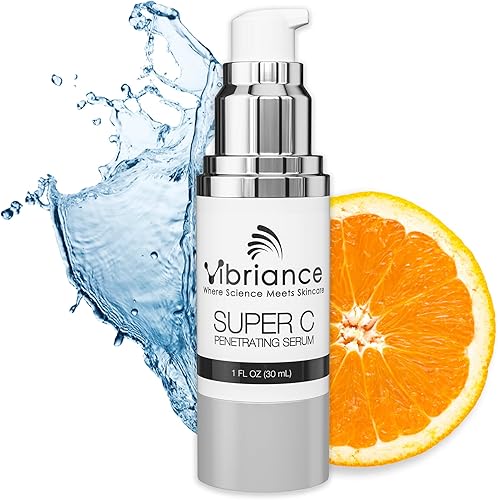
1. Vibriance Super C Serum for Mature Skin
Vibriance was formulated specifically for skin over 50, and it shows. Rather than a single high-percentage vitamin C, it stacks multiple stabilized vitamin C derivatives with peptides, hyaluronic acid, and botanical brighteners, so you're treating dullness, firmness, and dark spots in one pump. Where the murad vita c glycolic serum for perimenopausal hormonal dullness uses glycolic acid for surface renewal, Vibriance relies on a gentler peptide-driven approach — better for women who find AHAs irritating during hot flashes or when skin is reactive. Apply morning under SPF for a noticeably plumper, less sallow finish within two weeks.
Check Vibriance Super C Serum on Amazon
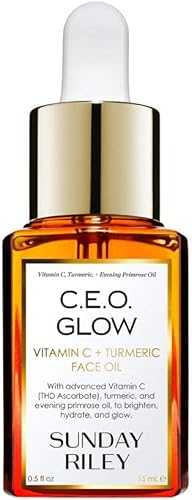
2. Sunday Riley C.E.O. Glow Vitamin C & Turmeric Face Oil
For perimenopausal skin that's gone from oily to parched seemingly overnight, an oil-based vitamin C addresses the lipid barrier loss that comes with estrogen decline. C.E.O. Glow uses ascorbyl tetraisopalmitate — an oil-soluble vitamin C that penetrates deeper than L-ascorbic acid without stinging — alongside turmeric for a warm, lit-from-within finish. It won't resurface the way a glycolic-spiked serum will, but layered over a water-based vitamin C, it transforms ashy, dehydrated complexions in one application.
Check Sunday Riley C.E.O. Glow on Amazon
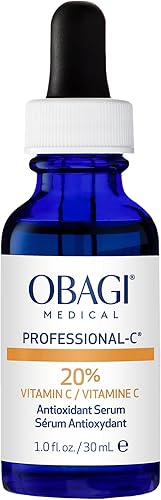
3. Obagi Medical Professional-C Vitamin C Serum 15%
If you want clinical-grade brightening without exfoliating acids, Obagi remains the gold standard. The 15% L-ascorbic acid concentration is high enough to interrupt melanin production from estrogen-driven hyperpigmentation but is buffered for sensitive skin. Pair it with a separate AHA toner two nights a week and you replicate the resurfacing effect of the Murad while customizing the strength. For perimenopausal women dealing with new-onset melasma, this is often the dermatologist's first recommendation.
Check Obagi Professional-C on Amazon
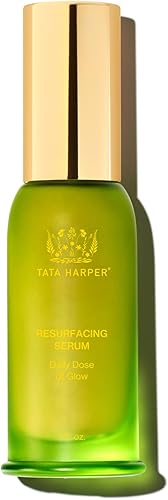
4. Tata Harper Resurfacing Serum
If you've already settled on a vitamin C you love but need the resurfacing half of Murad's equation, Tata Harper's Resurfacing Serum is the cleanest luxury option available. It blends BHA and AHA with willow bark and beet-derived enzymes for a gentler turnover boost than glycolic acid alone. Use it three evenings a week after your vitamin C serum, and you'll see the same surface refinement effect — without the formulation compromises that come with combining acids and ascorbic acid in one bottle.
Check Tata Harper Resurfacing Serum on Amazon
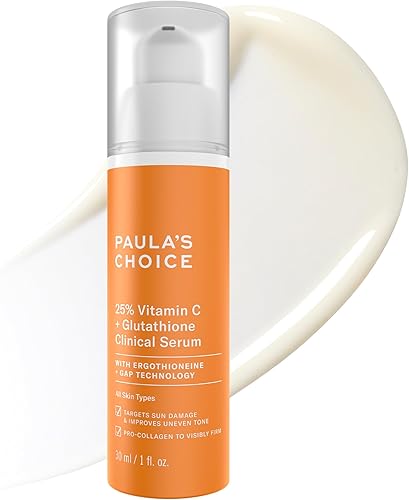
5. Paula's Choice 25% Vitamin C Serum with Glutathione
For perimenopausal hyperpigmentation that's deepened to brown or gray patches, the higher 25% concentration plus glutathione gives noticeably more aggressive lightening than the murad vita c glycolic serum for perimenopausal hormonal dullness can offer. It's a treatment-strength formula, so you'd use it three to four nights weekly rather than daily, and always with rigorous SPF. Many women find this is what finally moves the needle when gentler serums plateaued during their early 50s.
Check Paula's Choice 25% Vitamin C on Amazon
How to Layer Vitamin C and Glycolic Acid Safely in Perimenopause
Combining vitamin C with glycolic acid — whether in a single product like Murad's, or by layering — requires more care after 45 than it did at 30. Estrogen loss thins the epidermis and reduces ceramide production, so a routine that felt mild a decade ago can now leave skin red and tight. Start with three uses per week, always in the morning, and follow with a ceramide-rich moisturizer to rebuild barrier function. If you experience the warm flushing of hot flashes, apply your serum once skin has fully cooled — heat amplifies the tingle from both vitamin C and AHAs.
Sun protection is non-negotiable. Glycolic acid increases UV sensitivity for up to a week after application, and the pigmentation it's helping to fade will rebound immediately under unprotected exposure. A broad-spectrum SPF 50 is the only insurance policy that keeps your serum investment working. Our guide on how to apply luxury vitamin C serums walks through the optimal layering order and timing for mature skin specifically.
What Makes a Luxury Vitamin C Worth the Price for Hormonal Skin
Drugstore vitamin C serums have improved dramatically, so it's a fair question whether spending on Murad or any luxury formula is justified during perimenopause. Three factors tip the scale toward premium options when hormones are driving dullness.
First, stability. Vitamin C oxidizes the moment it meets air, light, or heat — and an oxidized serum doesn't just stop working, it can actually trigger more pigmentation. Luxury brands invest in opaque airless pumps, encapsulation technology, and antioxidant co-factors like ferulic acid and vitamin E that keep ascorbic acid potent for the full bottle life. Cheaper formulas often turn yellow or brown within weeks of opening.
Second, supporting actives. Hormonal dullness responds to vitamin C, but it responds faster when paired with niacinamide, peptides, hyaluronic acid, glutathione, or alpha-arbutin — and luxury formulations bundle these intentionally rather than as marketing afterthoughts. The murad vita c glycolic serum for perimenopausal hormonal dullness is the clearest example: the glycolic acid isn't a token addition, it's at a percentage high enough to actually exfoliate.
Third, texture and finish. Mature skin needs a serum that doesn't pill under makeup, doesn't sting around the eyes, and leaves a finish that flatters rather than emphasizes texture. Luxury serums spend disproportionately on aesthetic refinement, and that's why women rebuy them. For more on how to weigh price against ingredients, see our budget considerations for luxury vitamin C serums.
Frequently Asked Questions
Is the Murad Vita-C Glycolic serum safe for sensitive perimenopausal skin?
Yes for most users, but introduce it slowly. The 10% vitamin C and glycolic acid combination is buffered, but perimenopausal skin can react unpredictably as the barrier weakens. Start with two evenings a week for two weeks, then build up to daily morning use if tolerated. If you develop persistent redness or flaking, switch to a gentler magnesium ascorbyl phosphate serum and add exfoliation separately.
Can I use Murad Vita-C Glycolic with retinol at night?
Yes, but on alternating evenings rather than the same one. Combining glycolic acid and retinol in the same routine often overwhelms hormonally thinned skin. The conventional approach is vitamin C and glycolic in the morning, retinol two to three nights a week, and a barrier-repair night cream on the remaining evenings. This split lets each active work without compounding irritation.
How long until I see results on hormonal dullness from a vitamin C glycolic serum?
Surface glow appears within three to five days as glycolic acid lifts off the dull cellular layer. Visible reduction in pigmentation takes six to eight weeks because melanin already produced has to migrate up and shed. Collagen-driven firmness changes take longer — generally three to four months of consistent use. Photograph your face under the same lighting weekly to track changes objectively.
What's the difference between Murad's Vita-C Glycolic and their Rapid Dark Spot Correcting Serum?
The Vita-C Glycolic targets overall dullness and uneven texture across the whole face using vitamin C plus AHA exfoliation. The Rapid Dark Spot Correcting Serum is a spot treatment with resorcinol and hexylresorcinol designed for discrete pigmentation marks. Many perimenopausal users layer them — Vita-C Glycolic across the face, the dark spot serum dabbed onto specific patches.
Should I switch vitamin C serums during perimenopause?
Probably yes. The formula that worked at 35 was likely built for oilier, more resilient skin. As estrogen declines, you'll get better results from a formula designed for mature skin — one that combines vitamin C with peptides, ceramides, or gentle exfoliation. The murad vita c glycolic serum for perimenopausal hormonal dullness is one option in that category, but Vibriance, Sunday Riley C.E.O. Glow, and Fièra are also formulated around hormonal aging.
Can vitamin C help with melasma triggered by perimenopause?
It helps but rarely solves it alone. Vitamin C inhibits tyrosinase, which slows new melanin production, but established melasma usually needs additional actives like tranexamic acid, azelaic acid, or prescription hydroquinone. Use vitamin C as your foundational brightener and consult a dermatologist for targeted melasma treatment, especially if your patches are deepening rather than fading.
Does the gold in Murad's serum actually do anything?
The gold microspheres provide an immediate optical brightening effect by reflecting light, which is why the serum gives you instant radiance even before the active ingredients have taken effect. They're not a long-term treatment ingredient — the vitamin C and glycolic acid do that work — but they make the formula feel and look more luxurious, and they meaningfully improve how skin photographs in the hours after application.
Key Takeaways
- Choosing the right murad vita c glycolic serum for perimenopausal hormonal dullness means matching capacity and output ports to your actual devices
- Always check actual watt-hours (Wh), not just watts — runtime depends on Wh, not peak output
- Also covers: murad vitamin c menopause skin
- Also covers: murad glycolic perimenopause
- Also covers: hormonal dullness vitamin c
- Compare price-per-Wh across models to find the best value for your budget