Using is clinical super serum for keratosis pilaris arms can help fade the post-inflammatory red and brown marks left by those stubborn rough bumps, but it will not dissolve the keratin plugs themselves. iS Clinical Super Serum Advance+ pairs 15% L-ascorbic acid with copper tripeptide growth factors, mushroom extract, and hyaluronic acid—a combination originally formulated to soften scars and fine stretch marks. On keratosis pilaris (KP), that translates to brighter, more even-toned upper arms and smoother surface texture over 8–12 weeks of nightly use. For the bumps themselves, you will still need a chemical exfoliant such as lactic or salicylic acid layered underneath.
Why iS Clinical Super Serum Advance+ makes sense for KP on arms
Keratosis pilaris is a benign genetic condition in which excess keratin clogs the openings of hair follicles, producing the pinpoint bumps and surrounding inflammation that most people call “chicken skin.” The bumps themselves are a structural issue, but the color around them—the persistent pink halo on fair skin or the brown speckling on medium-to-deep complexions—is almost entirely pigment. That pigment is exactly what a high-grade L-ascorbic acid serum is built to fade.
Super Serum Advance+ delivers 15% pure vitamin C alongside copper tripeptide-1, which has documented effects on dermal remodeling and wound repair. iS Clinical originally marketed the formula for “reducing scarring and fine stretch marks,” and that same scar-softening behavior is what makes it a smart choice for the discoloration and micro-textural roughness that linger on KP-prone upper arms long after the bumps themselves calm down.
A few reasons it punches above its weight on body skin:
- High enough percentage to work below the surface. Most drugstore body lotions cap vitamin C around 2–5%, which is fine for radiance but underpowered for years of accumulated post-inflammatory hyperpigmentation.
- Lightweight, layerable texture. Arm skin is often slathered in a thick urea or AHA cream; a watery serum slides under without pilling.
- Tripeptide + mushroom extract anti-inflammatory load. KP flares with cold, dry weather and chlorinated pools. The supporting cast in Super Serum Advance+ helps calm reactive redness while the vitamin C does the brightening work.
It is worth being clear about what this serum cannot do. It will not exfoliate the plug at the top of the follicle, it will not regrow the trapped vellus hair beneath the bump, and it cannot replace a urea or AHA body cream as your texture treatment. Think of it as the “color correction” layer in a two-part KP routine.
The hero product
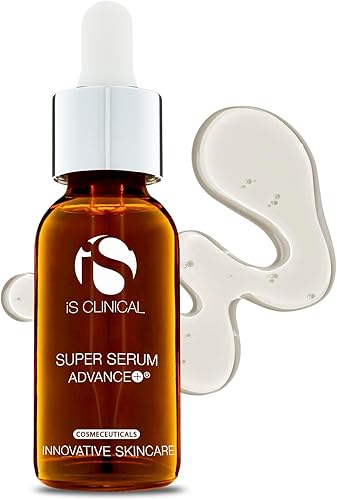
iS Clinical Super Serum Advance+
This is the clinical-grade serum that started this conversation. Super Serum Advance+ is a 15% L-ascorbic acid formula stabilized with copper tripeptide-1, mushroom extract, hyaluronic acid, and a small amount of arbutin for additional pigment-fading support. It is fragrance-free, water-thin, and dries to a non-tacky finish—crucial when you are about to pull a sleeve over it. For arms, dispense two full pumps, warm between your palms, and press into the outer triceps and shoulder area where KP clusters most densely. Follow with a urea 10–20% cream for the bumps and a mineral SPF if your arms see daylight. Check current price on Amazon.
How is clinical super serum for keratosis pilaris arms fits into a full routine
Vitamin C alone is not a KP protocol. The serum handles tone; you still need physical and chemical strategies for the bumps and the dryness that makes them more visible. A realistic stack looks like this:
- Cleanse in a lukewarm (not hot) shower with a non-stripping body wash. Hot water dehydrates and amplifies the “sandpaper” feeling.
- Exfoliate 2–3x per week with a lactic acid or salicylic acid body wash or lotion. This is the step that actually dislodges keratin plugs.
- Pat skin until just barely damp.
- Apply Super Serum Advance+ to the affected zones—outer upper arms, sometimes the front of the thighs and the buttocks.
- Seal with a urea 10–20% cream or a ceramide-rich body lotion to lock in hydration and continue softening the plugs overnight.
- Daytime: mineral SPF 30+ on any exposed arm skin. Vitamin C without sunscreen on body skin that has years of sun damage is wasted product.
For a deeper dive into layering order with body actives, see our guide to pairing vitamin C serums with other skincare, and the body-specific tips inside how to apply luxury vitamin C serums.
Comparison: iS Clinical Super Serum Advance+ vs. complementary serums for KP discoloration
If Super Serum Advance+ is out of stock or out of budget, several luxury-tier vitamin C serums can play a similar role on arm skin. The table below compares the most relevant alternatives for KP-related post-inflammatory marks specifically—not generalized anti-aging.
| Serum | Active | Best for KP if… | Texture on arms |
|---|---|---|---|
| iS Clinical Super Serum Advance+ | 15% L-ascorbic + copper tripeptide | You want one product for tone and scar-softening | Water-thin, non-tacky |
| Tata Harper Resurfacing Serum | AHA/BHA blend | The texture, not the pigment, bothers you most | Light gel |
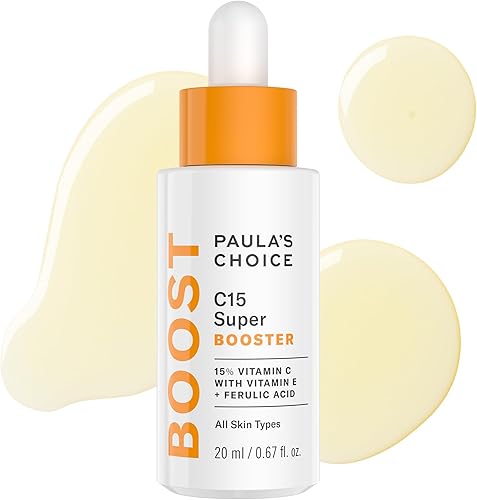
| Paula’s Choice BOOST C15 | 15% L-ascorbic + ferulic + vitamin E | You want classic CEF chemistry at a lower price | Silky, slight slip |
| The Ordinary Ascorbyl Glucoside 12% | Stable vitamin C derivative | L-ascorbic stings your already-inflamed KP | Water-light, slightly tacky |
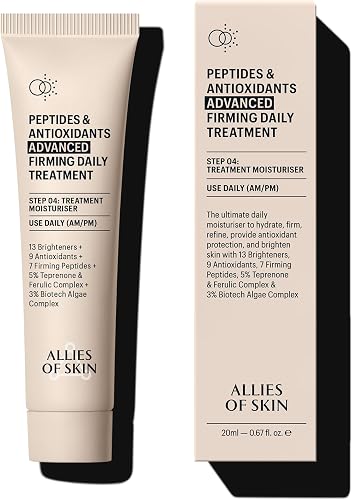
| Allies of Skin Peptides & Antioxidants | 13 brighteners + peptides | You want a multitasker that doubles for face | Cushiony serum |
Backup picks if you cannot get the iS Clinical
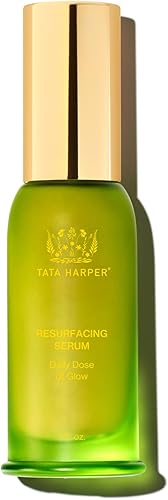
Tata Harper Resurfacing Serum
Where Super Serum Advance+ chases discoloration, Tata Harper’s Resurfacing Serum chases the bumps. Its gentle AHA/BHA blend exfoliates the keratin plugs that cause the textural side of KP, making it the perfect partner serum—or substitute if your arms are smooth-looking but rough-feeling. Layer it on alternate evenings from your vitamin C to avoid overdoing the acid load. View on Amazon.
Paula’s Choice BOOST C15 Super Booster
If iS Clinical’s price tag is the blocker, Paula’s Choice BOOST C15 is the most defensible swap. It runs the classic 15% L-ascorbic acid + vitamin E + ferulic acid trio in a fragrance-free base, and the dropper format makes it easy to spot-treat denser KP clusters on the outer triceps rather than blanketing the whole arm. View on Amazon.
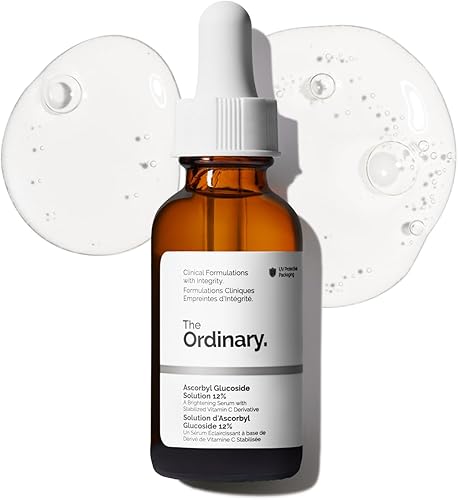
The Ordinary Ascorbyl Glucoside Solution 12%
L-ascorbic acid at 15% is acidic, and on actively inflamed KP it can sting. If your arms are flaring, swap in a vitamin C derivative like Ascorbyl Glucoside 12% for the first 2–4 weeks while your skin calms. It is far less potent on pigment but also far less likely to provoke a reaction, making it the safer break-in tool. View on Amazon.
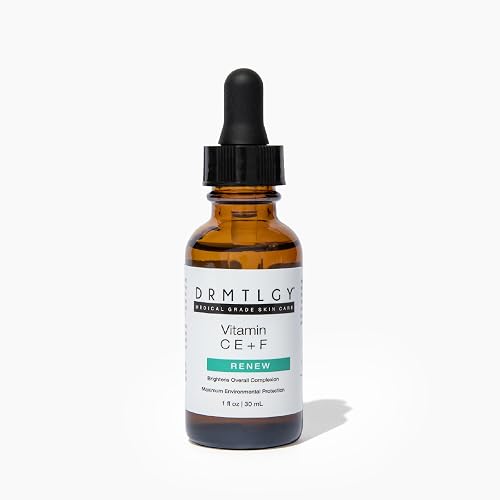
DRMTLGY Advanced C E Ferulic Antioxidant Serum
For readers who specifically want CE Ferulic chemistry on the body without paying SkinCeuticals pricing, DRMTLGY’s 15% formula is the closest budget-luxury analog. It is thicker than Super Serum Advance+, which actually works in its favor on dry arm skin in winter. View on Amazon.
Allies of Skin Peptides & Antioxidants Advanced Firming Daily Treatment
This is the luxury multitasker for the reader who hates duplicating products between face and body. With 13 brighteners, 9 antioxidants, and 7 firming peptides, it covers post-KP pigment, supports the dermal remodeling that copper peptides also target, and earns its keep on your face the rest of the time. View on Amazon.
Realistic timeline for KP on arms
The biggest reason people abandon vitamin C for KP is impatience. Body skin turns over more slowly than facial skin, and the post-inflammatory pigment around KP follicles is deep, with both a melanin component (brown) and a vascular component (pink). Here is what to actually expect when using is clinical super serum for keratosis pilaris arms nightly alongside an exfoliating cream:
- Weeks 1–2: Arms feel softer to the touch, mostly from the hyaluronic acid and any cream you layer over. No visible color change yet.
- Weeks 3–6: Pink halos around bumps look less angry. Brown speckling on medium-to-deep skin starts to soften at the edges.
- Weeks 8–12: Most users see a noticeable evening of tone. The bumps are still present but read less obvious because the surrounding contrast has dropped.
- Months 4–6: The dermal-remodeling effects of the copper tripeptide become visible in textural smoothness, especially if you have stuck with the exfoliating step.
If you want to map this against other concentrations and formats, our breakdown on the ideal vitamin C concentration in luxury serums covers how strength interacts with skin tolerance, and our guide to maximizing the effectiveness of a vitamin C serum shows how to wring more out of every drop.
Mistakes to avoid when using vitamin C on KP-prone arms
- Skipping sunscreen on the arms. Daytime UV will redeposit pigment faster than nightly serum can fade it. This is the single biggest reason people see no progress.
- Stacking too many acids in one night. Lactic body lotion + glycolic toner + vitamin C is overkill and will irritate the very skin you are trying to calm.
- Using vitamin C right after shaving or sugaring. Wait until the next day. Freshly exfoliated follicles plus 15% L-ascorbic acid equals a stinging session you do not need.
- Letting the bottle oxidize. Store it cool, dark, and tightly capped. A serum that has turned amber-orange has lost potency.
- Quitting at week 4. Body pigment lags facial pigment by 4–8 weeks. Give it the full quarter before judging.
Frequently Asked Questions
Does iS Clinical Super Serum Advance+ actually clear keratosis pilaris bumps?
No—and no vitamin C serum will. Super Serum Advance+ fades the post-inflammatory pigment and softens the scar-like texture around the bumps thanks to its copper tripeptide and 15% L-ascorbic acid combination. To address the keratin plugs themselves you need a chemical exfoliant such as 10–20% urea, lactic acid, or salicylic acid layered into the same routine.
Can I use is clinical super serum for keratosis pilaris arms every single night?
Most people tolerate nightly use within 2–3 weeks of breaking in. Start every other night for the first fortnight, then increase if your skin is not stinging or peeling. If you are also using a strong AHA body lotion, alternate the two rather than layering them on the same evening.
Will Super Serum Advance+ help with strawberry legs and bikini-line bumps too?
The pigment-fading mechanism is identical, so yes—the dark spots from ingrown hairs and folliculitis on legs and the bikini line respond to the same protocol. Avoid applying on the day of shaving or waxing, and patch-test the bikini area first because the skin there is thinner than the upper arms.
Is it safe to apply vitamin C body serum under the arms or on the underarms specifically?
Underarm skin is significantly thinner and more reactive than outer arm skin. A 15% L-ascorbic acid like Super Serum Advance+ can be too aggressive there. For underarm darkening, a gentler vitamin C derivative such as ascorbyl glucoside or a niacinamide-focused product is a safer first move.
How long does a bottle last when you use it on both arms?
The standard 15 mL bottle is sized for facial use. If you are treating both upper arms nightly, expect a bottle to last roughly 4–6 weeks. Many users buy the larger 30 mL professional size or reserve Super Serum Advance+ for the most pigmented patches and use a less expensive vitamin C across the rest of the arm.
Can I use it during the day under sunscreen?
Yes—vitamin C and broad-spectrum sunscreen work synergistically. If you go this route on body skin, give the serum 5–10 minutes to absorb before layering a mineral SPF 30+, and reapply sunscreen every two hours if your arms are in direct sun.
Does pregnancy or breastfeeding rule out iS Clinical Super Serum Advance+ for KP?
L-ascorbic acid, copper peptides, and hyaluronic acid are generally considered compatible with pregnancy and nursing, but iS Clinical’s formula also contains plant growth factors. Always confirm with your OB or dermatologist before adding any new active to a pregnancy routine, particularly when applying over a larger surface area like both arms.
What is the difference between Super Serum Advance+ and a basic CE Ferulic serum for KP?
A CE Ferulic formula (vitamin C, vitamin E, ferulic acid) is built almost entirely around antioxidant protection and pigment fading. Super Serum Advance+ adds copper tripeptide-1, mushroom extract, and arbutin, which broaden it into scar and stretch-mark territory—exactly the textural and discoloration profile of long-standing KP. If your only goal is brightness, a CE Ferulic is fine; if you also want surface remodeling, Super Serum Advance+ is the more targeted pick.
Key Takeaways
- Choosing the right is clinical super serum for keratosis pilaris arms means matching capacity and output ports to your actual devices
- Always check actual watt-hours (Wh), not just watts — runtime depends on Wh, not peak output
- Also covers: vitamin c for keratosis pilaris
- Also covers: is clinical for KP body
- Also covers: luxury serum for chicken skin
- Compare price-per-Wh across models to find the best value for your budget