Quick Answer: Phasing the Serum Into a Sensitive Routine
To safely introduce natura bisse c+c complex reactive skin protocols, patch test behind the ear for 72 hours, then apply a pea-sized amount over moisturizer (the buffered "sandwich method") just twice in week one. Move to three applications in week two, four in week three, and only graduate to daily direct-to-skin use after a full month without redness, stinging, or barrier flare-ups. During this ramp you should pause every exfoliating acid, retinoid, and physical scrub, lean on a ceramide moisturizer morning and night, and lock in a mineral SPF 30+ every single day. Reactive skin reacts not because vitamin C is wrong for it, but because the surface pH drop and the active citrus oils inside Natura Bissé´s formula can overwhelm a compromised barrier when applied at full strength on day one.

Why Reactive Skin Pushes Back Against Vitamin C
Reactive skin (a catch-all for rosacea-prone, eczema-prone, post-procedure, or chronically dehydrated complexions) usually has a thinner stratum corneum and a higher transepidermal water loss baseline. When you flood that barrier with a 10% L-ascorbic acid formula at pH ~3.5 — which is what the iconic Natura Bissé C+C Vitamin Complex effectively delivers — capillaries dilate, neurosensory receptors fire, and you get the burning-then-flaking cascade that drives most users to abandon the bottle in week one.
The fix is not to skip the serum. It is to introduce natura bisse c+c complex reactive skin routines the way a dermatologist would introduce tretinoin: incrementally, with a buffer, and with all other irritants stripped from the regimen.
The 6-Week Phased Introduction Protocol
Below is the schedule clinical aestheticians most often recommend for nervous skin. It assumes a healthy barrier on day one; if you are mid-flare, postpone the start by two weeks and use bland repair products only.
- Week 1 (Buffer + Twice Weekly): Cleanse, mist, apply ceramide moisturizer, wait two minutes, then press 2 drops of C+C over the top. Use Monday and Thursday.
- Week 2 (Buffer + 3x Weekly): Same sandwich, add Saturday. Watch for cumulative reactivity, not single-night flushing.
- Week 3 (Buffer + 4x Weekly): Mon/Wed/Fri/Sun. If you see persistent diffuse redness 30 minutes after application, drop back to week 2 for another seven days.
- Week 4 (Direct + Alternating Nights): Begin applying to damp (not wet) skin before moisturizer, every other night.
- Week 5 (Direct + Most Nights): Five nights weekly, direct-to-skin. Add a hyaluronic acid serum underneath if you feel any tightness.
- Week 6 (Daily, AM or PM): Move to daily use only if weeks 1–5 were uneventful. Most reactive users do best keeping it as an AM serum under SPF for antioxidant defense.
If your skin is truly volatile, you can introduce natura bisse c+c complex reactive skin regimens even more slowly by adding a fourth week of buffering before moving to direct contact. There is no prize for finishing the bottle quickly; the prize is a calm, brighter complexion at month three.
Gentler Vitamin C Options to Use During the Adjustment Window
Many reactive users find that a milder, derivative-based vitamin C serum used on the "off" nights helps the skin acclimate to ascorbic acid chemistry without spiking inflammation. Below is a quick comparison of formulas that pair well with the Natura Bissé protocol or that can serve as a temporary substitute if C+C proves too active.
| Serum | Vitamin C Form | Strength | Best Use During Ramp |
|---|---|---|---|
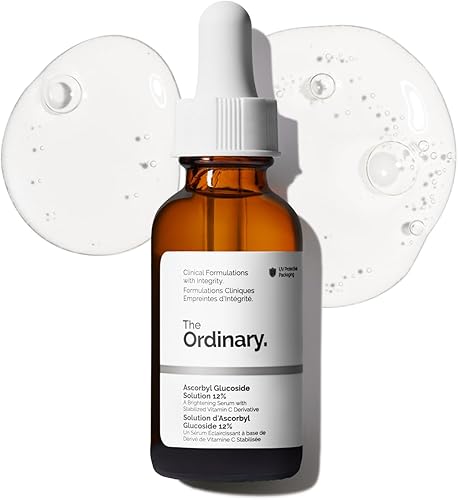
| The Ordinary Ascorbyl Glucoside 12% | Ascorbyl glucoside (derivative) | 12% | Pre-treatment in weeks 1–2 to prime tolerance |
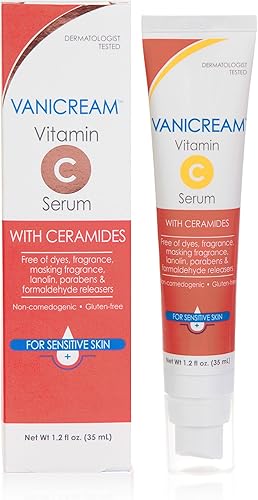
| Vanicream Vitamin C Serum | Tetrahexyldecyl ascorbate | Mild | Off-night substitute for redness-prone skin |
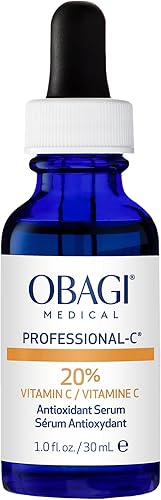
| Obagi Professional-C 10% | L-ascorbic acid | 10% | Direct comparison; safe for sensitive skin |
| Mad Hippie Vitamin C Serum | Sodium ascorbyl phosphate | Low-irritation | Buffered AM option during week 3 |
| Skinfix Brighten + Firm 15% | 3-O-ethyl ascorbic acid | 15% | Step-up after tolerance is built |
Product Picks for the Sensitive-Skin Introduction Phase
The Ordinary Ascorbyl Glucoside Solution 12%
This is the lowest-friction way to teach reactive skin that vitamin C is not the enemy. Ascorbyl glucoside converts to ascorbic acid slowly inside the skin, so you get gradual brightening without the pH shock. Use it nightly for two weeks before you even open the Natura Bissé bottle, and your barrier will be measurably better prepared. Check current price on Amazon.
Vanicream Vitamin C Serum
Vanicream is the gold standard for irritation-prone complexions, formulated without fragrance, dye, parabens, or botanical extracts that commonly trigger flares. Its milky tetrahexyldecyl ascorbate base is oil-soluble and stable, making it an ideal off-night swap when your skin signals it needs a breather from the more potent C+C complex. View on Amazon.
Obagi Professional-C Vitamin C Serum 10%
If you want a like-for-like benchmark before committing to Natura Bissé, the 10% strength of Obagi´s Professional-C is explicitly labeled safe for sensitive skin and delivers L-ascorbic acid at a comparable concentration. Many derms use it as a tolerance test: if you can run Obagi 10% nightly for two weeks without redness, your barrier is ready for C+C. See it on Amazon.
Mad Hippie Vitamin C Serum
Mad Hippie´s formula uses sodium ascorbyl phosphate combined with ferulic acid, hyaluronic acid, and konjac root, and is widely cited in low-irritation roundups. It is the right AM companion during week three or four, when you want antioxidant defense on the days you are not applying C+C. Check it out on Amazon.
Skinfix Brighten + Firm 15% Vitamin C Serum
Skinfix uses 3-O-ethyl ascorbic acid, a stable derivative that brightens at higher percentages without the sting of pure ascorbic acid. It is the natural step-up if you build tolerance with The Ordinary but want a luxury-tier finish before moving into the Natura Bissé tier. View on Amazon.
Buffering and Application Techniques That Save Reactive Skin
Beyond the schedule itself, three application tactics meaningfully reduce reactivity:
- The Sandwich Method: Apply moisturizer first, wait two minutes, press C+C on top, then seal with a second thin layer of moisturizer. This slows absorption and dilutes the peak concentration touching your barrier.
- The Damp-Skin Press, Not Rub: Always press the serum into skin with flat palms. Rubbing creates micro-friction that compounds the chemical irritation of low pH.
- Strict Active Pause: No AHAs, BHAs, retinoids, benzoyl peroxide, or vitamin A esters in the regimen for the entire six-week ramp. Reintroduce them one at a time, with at least two weeks between additions. Our guide to pairing vitamin C serums with the rest of your routine walks through the safest reintroduction order.
For technique details that apply specifically to thicker citrus-oil formulas like C+C, see our deeper walkthrough on how to apply luxury vitamin C serums. If you are still narrowing down the right bottle, our 2026 picks for sensitive skin and the more general using luxury vitamin C serums guide are both useful follow-ups.
Common Reactions and What They Actually Mean
Not every sensation during the ramp is a reason to stop. Here is how to read the signals when you introduce natura bisse c+c complex reactive skin protocols for the first time:

- Brief tingling under 60 seconds: Normal. Your skin is responding to the pH shift and will adapt.
- Diffuse warmth lasting 5–10 minutes: Borderline. Drop back one week in the schedule and add an extra layer of moisturizer on top.
- Persistent stinging beyond 15 minutes, visible flushing, or itching: Stop. Rinse with cool water, apply a bland ceramide cream, and skip the next two scheduled applications.
- Tiny rough bumps along the jaw or hairline after 2–3 weeks: Purging from increased cell turnover. Usually resolves by week five.
- True hives, swelling, or cracked patches: Allergic response, not irritation. Discontinue and consult a dermatologist before retrying.
Frequently Asked Questions
How long should I patch test Natura Bissé C+C before applying it to my whole face?
For reactive skin, run a 72-hour patch test behind the ear or on the inner forearm. Apply a pea-sized amount once, then re-evaluate at 24, 48, and 72 hours. A delayed reaction is more common with citrus-derived formulas than an immediate one, so the full 72-hour window matters. If skin stays calm, repeat the patch on the side of the neck for another 48 hours before moving to facial application.
Can I use C+C Vitamin Complex if I have rosacea or active eczema?
Not during a flare. Wait until your skin has been quiet for at least three weeks, then start with the buffered sandwich method on a very limited schedule (once weekly for the first two weeks). Rosacea-prone users often tolerate C+C better in the morning under SPF than at night, because the antioxidant action complements daytime UV defense rather than stacking with overnight repair processes.
Should I apply Natura Bissé C+C in the morning or at night for reactive skin?
Morning is generally safer during the introduction phase because you can immediately layer a mineral SPF on top, which adds a physical buffer and protects newly exposed cells. Once you have completed the six-week ramp, you can experiment with PM use, but most reactive users settle on an AM-only routine for the long term.
What moisturizer pairs best with C+C during the adjustment phase?
Choose a fragrance-free, ceramide-and-cholesterol-based moisturizer without exfoliating actives. Avoid anything containing additional vitamin C, retinol, or fragrance during the ramp. The goal is to give your barrier maximum lipid reinforcement so it can withstand the daily pH challenge.
Can I use vitamin C derivatives at the same time as Natura Bissé C+C?
Stacking two vitamin C products on the same day is rarely necessary and often counterproductive for reactive skin. Use derivatives like ascorbyl glucoside or sodium ascorbyl phosphate on your "off" days during the ramp, not on the same day as C+C. Once your routine is stable, pick one daily vitamin C and treat the other as a backup.
How will I know when my skin is fully adapted to the formula?
You are adapted when you can apply C+C directly to damp skin nightly for two consecutive weeks without redness, stinging beyond 60 seconds, flaking, or new sensitivity. At that point you can cautiously reintroduce one other active (a low-strength retinoid or a single weekly PHA) and watch for compounding effects.
What should I do if I react badly to C+C even after the slow introduction?
Stop immediately, return the product if you can, and pivot to a derivative-based vitamin C for three to six months to rebuild tolerance. Some skin types simply do not tolerate L-ascorbic acid even with perfect technique, and that is a chemistry issue, not a failure of method. A stable derivative serum can deliver 70–80% of the brightening benefit with a fraction of the reactivity risk.
Key Takeaways
- Choosing the right introduce natura bisse c+c complex reactive skin means matching capacity and output ports to your actual devices
- Always check actual watt-hours (Wh), not just watts — runtime depends on Wh, not peak output
- Also covers: natura bisse for sensitive skin onboarding
- Also covers: starting vitamin c on reactive skin
- Also covers: natura bisse patch test routine
- Compare price-per-Wh across models to find the best value for your budget