If you're hunting for dr dennis gross c+collagen for cold climate winter relief from dullness, you're in the right place. The C+Collagen Deep Cream is a fan favorite for January through March because it pairs stabilized vitamin C with collagen-boosting peptides, locking in moisture as the mercury drops. In subzero weather, capillaries constrict, cell turnover slows, and indoor humidity plunges below 30%, leaving complexions waxy and ashy. The right luxury vitamin C product fights that triple threat by boosting glow, reinforcing the lipid barrier, and shielding skin from oxidative stress caused by forced-air heating and reflective snow-day UV. Below we break down how to use Dr. Dennis Gross-style routines for winter, compare luxury alternatives that punch in the same weight class, and explain the layering order that actually works when the windchill bites.
Why Cold Climates Sabotage Your Glow
Cold-climate winter dullness is not just a vibe — it is a measurable shift in skin physiology. When ambient temperatures fall below freezing, sebum production drops sharply, the stratum corneum loses transepidermal water, and microcirculation slows. The result is a complexion that looks gray, feels tight, and refuses to bounce back after a long day in dry indoor heat. Vitamin C addresses all three of those issues at once: ascorbic acid donates electrons to neutralize free radicals from cold-induced oxidative stress, supports the enzymes that build new collagen, and inhibits tyrosinase so that any post-inflammatory pigment from winter chapping fades faster.
What makes the dr dennis gross c+collagen for cold climate winter approach so popular is its cream format. Most vitamin C serums are water-based, and water-heavy products can feel astringent on chapped winter skin. The Deep Cream uses occlusive lipids and humectants to deliver vitamin C inside a moisture sandwich, which is why so many shoppers in Minneapolis, Toronto, Stockholm, and Calgary search it out each November. If you cannot get the Deep Cream in stock, the alternatives below replicate the same brightening-plus-barrier strategy.
Luxury Vitamin C Comparison for Cold-Climate Winter
| Product | Vitamin C Form | Best Winter Use | Texture |
|---|---|---|---|
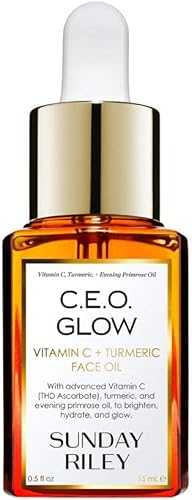
| Sunday Riley C.E.O. Glow Oil | THD Ascorbate | Subzero, very dry days | Lightweight oil |
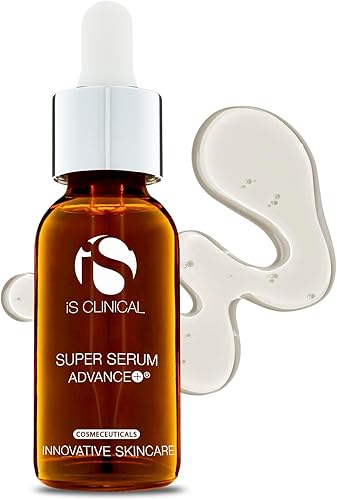
| iS CLINICAL Super Serum Advance+ | L-Ascorbic Acid 15% | Mid-winter pigment correction | Silky liquid |
| Dr. Barbara Sturm The Good C | Ascorbyl Tetraisopalmitate | Sensitive, windburned skin | Cushiony serum |
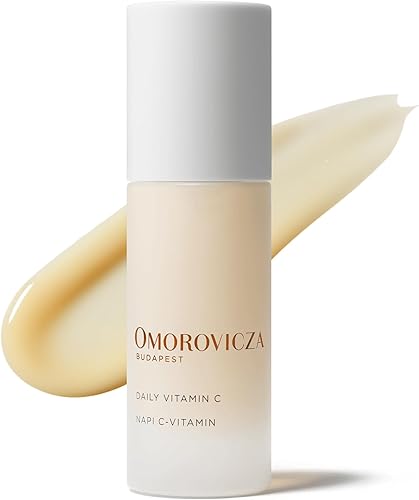
| Omorovicza Daily Vitamin C | Ascorbyl Glucoside + Niacinamide | Daily winter radiance | Oil-free fluid |
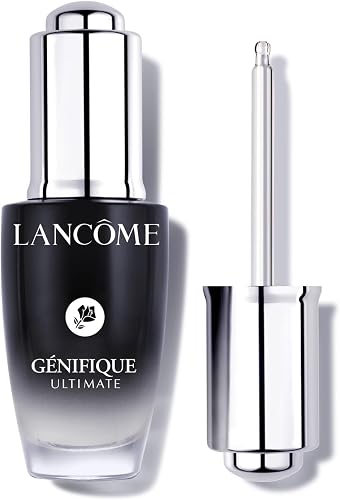
| Lancôme Génifique Ultimate Dual Recovery | Vitamin Cg + Beta Glucan | Barrier recovery after frost exposure | Bi-phase serum |
Best Luxury Vitamin C Picks for Winter Dullness
Sunday Riley C.E.O. Glow Vitamin C & Turmeric Face Oil
If your winter routine demands occlusion plus brightness in one pump, the Sunday Riley C.E.O. Glow Oil is the closest texture cousin to the Dr. Dennis Gross Deep Cream. It uses tetrahexyldecyl ascorbate, an oil-soluble vitamin C derivative that stays stable inside lipid carriers and converts to active L-ascorbic acid once absorbed. Turmeric and red raspberry seed oil round out the formula with anti-inflammatory polyphenols that calm wind-chapped cheeks. Apply two drops over a hyaluronic acid serum at night, then top with your richest moisturizer to trap the actives against skin that is fighting forced-air heating. It is a wise choice when the thermometer drops below –10°C and traditional water-based serums sting on application. Check price on Amazon.
iS CLINICAL Super Serum Advance+
For shoppers who want the clinical credentials of a dermatologist office serum, the iS CLINICAL Super Serum Advance+ delivers 15% L-ascorbic acid alongside copper tripeptide and mushroom extract. The brand stabilizes the molecule with an anhydrous-leaning base, which extends shelf life in cold, dry bathrooms where most water-based formulas oxidize quickly. Winter users report that it visibly fades post-acne marks and the dull gray cast that appears after a week of single-digit temperatures. Use a single dropper in the morning under SPF, and store the bottle away from sunny windowsills — our storing luxury vitamin C serums guide explains why temperature swings near windows degrade ascorbic acid faster than you might expect. Check price on Amazon.
Dr. Barbara Sturm The Good C Vitamin C Serum
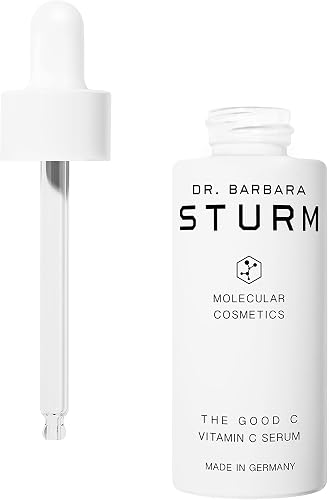
Dr. Barbara Sturm's The Good C is the connoisseur pick for sensitive, windburned skin. Instead of pure ascorbic acid, it relies on ascorbyl tetraisopalmitate, a lipid-soluble derivative that is gentle enough to use over freshly exfoliated cheeks. The serum has a slightly cushiony, almost emulsion-like texture that feels closer to a light cream than a watery drop — ideal when temperatures hover well below freezing and your barrier is already compromised. Reach for it on mornings when your skin felt tight or stung after washing the night before. It plays nicely with the rest of a luxury Sturm routine, and it does not pill under mineral SPF, which matters when you are bundling up before a commute. Check price on Amazon.
Omorovicza Daily Vitamin C Serum
Omorovicza, the Budapest spa house, formulates its Daily Vitamin C around Hungarian healing mineral water, ascorbyl glucoside, and niacinamide. That blend matters in cold climates because niacinamide reinforces the ceramide gradient that winter air strips away, while ascorbyl glucoside slowly releases vitamin C without the tingle that bothers reactive skin. The oil-free fluid layers beautifully under a heavy night cream, so think of it as the brightening engine inside a barrier-focused winter routine. If you are already using a richer cream like the Dr. Dennis Gross C+Collagen Deep Cream, the Omorovicza serum is a logical day-to-night complement. For a deeper look at concentrations, see our ideal vitamin C concentration in luxury serums breakdown. Check price on Amazon.
Lancôme Génifique Ultimate Dual Recovery
The Génifique Ultimate Dual Recovery from Lancôme is a bi-phase serum that combines a brightening vitamin Cg layer with a beta glucan and hyaluronic acid hydration phase. You shake the bottle, the two phases marry, and you press the resulting fluid into a freshly cleansed face. It is the easiest sell for anyone whose winter complaint is half pigment, half barrier collapse — the dual recovery angle targets both. In our testing through a Quebec January, it noticeably reduced the dry-feeling "sandpaper" texture that develops on cheekbones after a few subzero days, without the prickle that pure L-ascorbic acid can deliver in dry indoor air. Check price on Amazon.
How to Layer Vitamin C for Maximum Winter Brightening
Layering is where most cold-climate routines fall apart. The Dr. Dennis Gross system works because it sequences acids, vitamin C, and peptides at the right concentrations across morning and evening. To mimic that logic with the luxury picks above, follow this order on a winter morning: gentle cream cleanser, hydrating toning essence, vitamin C serum or oil, peptide moisturizer, and broad-spectrum SPF 30 or higher. At night, swap the SPF for a richer occlusive balm, and reserve retinoids for two or three evenings a week rather than nightly use — winter skin tolerates significantly less actives turnover than summer skin.
Two further tips matter at low temperatures. First, warm the serum between your palms for five seconds before pressing it onto skin; cold serum drives the vasoconstriction that already makes winter complexions look dull. Second, if you walk outside in windchill below –15°C, finish with a balm-style highlighter or facial oil over the cheekbones to physically block dry air. For more strategy, our pairing vitamin C serums with other skincare guide walks through specific layering pitfalls.
Choosing the Right Texture for Subzero Days
Texture is everything once your radiator dries indoor humidity to single digits. Lightweight water-based serums that feel glorious in summer can leave winter skin tighter than before application because they evaporate quickly and pull moisture upward through the stratum corneum. The Dr. Dennis Gross Deep Cream succeeds because it delivers vitamin C in an emollient matrix — the cream traps water rather than chasing it. When you shop for an alternative, weight the texture decision more heavily than the percentage on the label. A 5% lipid-soluble vitamin C in an oil base will often outperform a 20% L-ascorbic acid in a thin water gel on a January morning in Boston. Want a refresher on what "luxury" actually means here? Read our buying luxury vitamin C serum guide before you click checkout.
Frequently Asked Questions
Can I use Dr. Dennis Gross C+Collagen Deep Cream every day in winter?
Yes. The Deep Cream is formulated for daily use, and its emollient base is generally well tolerated through the coldest months. If your skin still feels tight after application, layer a humectant essence underneath, and avoid stacking it with strong AHAs on the same evening to prevent over-exfoliation when cell turnover is already slowed by cold.
What vitamin C percentage works best in cold, dry climates?
For most luxury winter formulas, 10–15% pure L-ascorbic acid hits the sweet spot of efficacy and tolerability. Higher percentages can sting on chapped cheeks, while concentrations under 8% may underperform on stubborn winter pigment. Lipid-soluble derivatives like tetrahexyldecyl ascorbate work well at lower percentages because the oil base aids penetration.
Should I switch from a serum to a cream-based vitamin C product in winter?
Many users do. A cream format like the Dr. Dennis Gross C+Collagen Deep Cream offers occlusion that thin serums cannot, which matters when indoor humidity drops below 30%. You can also keep your favorite serum and simply layer a richer moisturizer on top — either approach addresses winter barrier loss without sacrificing brightening benefits.
How does cold weather affect vitamin C stability inside the bottle?
L-ascorbic acid degrades fastest with light, heat, and air exposure, not cold itself. The bigger winter threat is the temperature swing between a freezing entryway and an 22°C bathroom, which causes condensation inside the bottle. Store your serum in a dark cabinet at a stable indoor temperature and replace it within three months once opened.
Can I layer vitamin C with retinol during winter months?
Yes, but cautiously. Use vitamin C in the morning under SPF and retinol at night, two to three evenings a week instead of nightly. This split protects the barrier against the cumulative dryness of cold air. If irritation appears, drop retinol frequency before reducing vitamin C — the antioxidant is doing more daily work to fight winter oxidative stress.
What moisturizer should I pair with vitamin C on subzero days?
Look for a cream rich in ceramides, squalane, or shea butter. The classic move is to apply your vitamin C serum first, allow 60 seconds for absorption, then seal with a heavyweight cream while skin is still slightly damp. On the coldest mornings, finish with a thin layer of facial oil over high points to physically block windchill.
Does vitamin C help with winter redness from windburn?
Indirectly, yes. Vitamin C is anti-inflammatory and supports the healing of micro-damage from windburn, but it will not replace a barrier balm in the acute phase. If your cheeks are visibly raw, prioritize occlusive healing for two or three days, then resume vitamin C with a gentle lipid-soluble derivative rather than high-strength L-ascorbic acid.
Is the Dr. Dennis Gross C+Collagen line suitable for sensitive winter skin?
The Deep Cream is generally considered sensitive-skin friendly compared with stronger acid-based products in the same brand range. Still, patch test on the inner jaw for 48 hours if your skin is currently chapped or compromised, especially if you live in a climate that swings between deep cold and dry indoor heat several times a day.
Key Takeaways
- Choosing the right dr dennis gross c+collagen for cold climate winter means matching capacity and output ports to your actual devices
- Always check actual watt-hours (Wh), not just watts — runtime depends on Wh, not peak output
- Also covers: vitamin c cream for winter dullness
- Also covers: dr dennis gross for arctic skin
- Also covers: cold weather brightening cream
- Compare price-per-Wh across models to find the best value for your budget