If you're searching for Dr Barbara Sturm Glow Drops for equestrians with helmet line tan marks, here's the short answer: those crisp shadow lines along your jaw, temples, and forehead are sun-induced pigmentation trapped under the rim of your helmet's harness, and the most reliable way to fade them is a luxury vitamin C brightening serum used twice daily under broad-spectrum SPF. Sturm's official Glow Drops are a hydrating illuminator rather than a high-dose ascorbic acid serum, so equestrians chasing real tone correction usually pair them with a clinical-grade vitamin C like Sturm's own The Good C, Obagi Professional-C, or iS CLINICAL Super Serum Advance+ for the actual lightening work.
Below we break down why helmet tan lines form the way they do, how to choose a serum strong enough to fade them without irritating skin that's already chafed by chinstraps and humidity, and which luxury vitamin C formulas hold up to barn life, show season, and the early-morning hack.
Why Helmet Line Tan Marks Are So Stubborn for Riders
A certified equestrian helmet sits low on the brow and clamps tight around the jaw. UVA penetrates the unshaded skin below the brim and on the cheekbones while the area under the harness stays paler, creating a sharp two-tone band. Sweat under the chin cup traps friction and heat, which can trigger post-inflammatory hyperpigmentation on top of plain old tan. Add the reflective glare off a sand arena or a grass cross-country field and the contrast deepens within a single season.
The fix is two-pronged: shut down new melanin production with daily SPF 50+ and accelerate cell turnover with a brightening antioxidant. That's where luxury vitamin C earns its price tag. Stable ascorbic acid (or its esters), paired with vitamin E and ferulic acid, both inhibits tyrosinase and quenches the free radicals that radiate off your face after a hot ride. The benefits of vitamin C in luxury skincare are particularly relevant for outdoor athletes whose skin is hit with UV and oxidative stress for hours a week.
Where the Original Sturm Glow Drops Fit In
Dr. Barbara Sturm's signature Glow Drops are a hyaluronic-and-cassia-based illuminator designed for instant radiance, not active depigmentation. For an equestrian dealing with a defined helmet line, the Drops give same-day luminosity for the post-show pony braid photo, but the long-term fading work belongs to a true brightening serum. The cleanest route within Sturm's own line is The Good C, her hydrating vitamin C face serum.
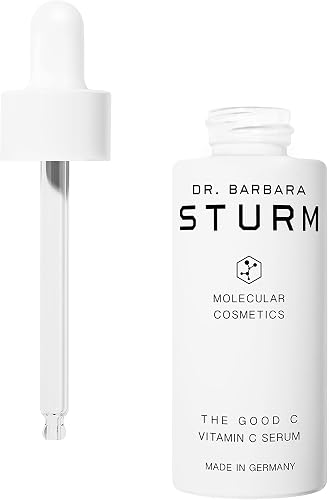
Dr. Barbara Sturm The Good C Vitamin C Serum
This is the closest direct match for riders who want the Sturm aesthetic and the Sturm pH profile but need ingredient-level brightening. The Good C combines a stable vitamin C derivative with the brand's signature anti-inflammatory botanicals, making it tolerable on skin that's already irritated by chinstrap rub. For Dr Barbara Sturm Glow Drops for equestrians who want everything in one luxury routine, layer The Good C under the Glow Drops in the morning. View The Good C on Amazon.
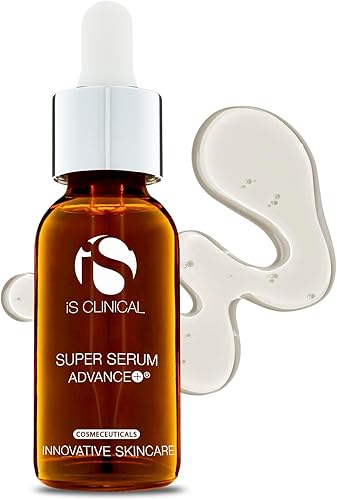
iS CLINICAL Super Serum Advance+
If your helmet line has crossed from tan into actual hyperpigmentation, iS CLINICAL's Super Serum Advance+ is the workhorse most equestrian dermatology patients end up on. It uses a high-potency L-ascorbic acid blend with copper tripeptide, and it's specifically marketed for reducing the look of scarring and fine stretch marks, which translates well to friction-zone discoloration along the jaw. View iS CLINICAL Super Serum Advance+ on Amazon.
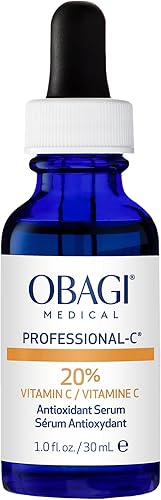
Obagi Medical Professional-C Vitamin C Serum
Obagi Professional-C is the dermatology-clinic classic. Available in 10%, 15%, and 20% L-ascorbic acid strengths, it's the most aggressive of the luxury picks for a stubborn, year-old helmet line. Riders with deeper skin tones or melasma-prone faces should start at 10% and build up. View Obagi Professional-C on Amazon.
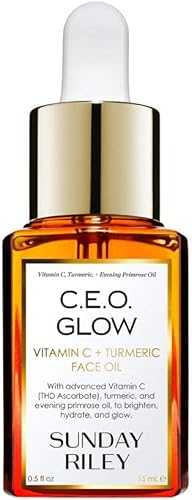
Sunday Riley C.E.O. Glow Vitamin C & Turmeric Face Oil
For riders who finish a session and immediately re-saddle for another, the C.E.O. Glow oil doubles as a brightener and an anti-friction barrier. The turmeric calms post-ride redness along the helmet rim, and the THD ascorbate is more pH-flexible than pure L-ascorbic acid, so you can apply it over slightly damp skin after a quick post-barn rinse. View Sunday Riley C.E.O. Glow on Amazon.
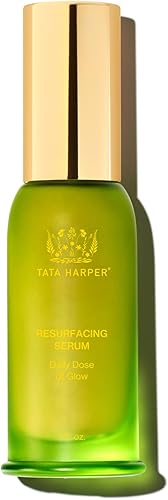
Tata Harper Resurfacing Serum
Not a vitamin C strictly, but the AHA/BHA blend lifts the dead, sun-baked top layer where the tan line lives, letting your vitamin C penetrate deeper. Use it two nights a week, never the same day as your strongest C, and never before a long sunlit ride. View Tata Harper Resurfacing Serum on Amazon.
Comparison: Luxury Vitamin C Picks for Helmet Line Marks
| Serum | Active | Best For | Friction Tolerance | Use With Helmet |
|---|---|---|---|---|
| Sturm The Good C | Vitamin C derivative + botanicals | Sensitive, Sturm-loyal skin | High | AM under SPF |
| iS CLINICAL Super Serum Advance+ | L-ascorbic acid + copper tripeptide | Pigment + texture | High | AM, dry 5 min before strap |
| Obagi Professional-C | 10/15/20% L-ascorbic acid | Deep, set-in tan lines | Medium | AM, dry fully first |
| Sunday Riley C.E.O. Glow | THD ascorbate + turmeric | Redness-prone riders | High | AM or PM |
| Tata Harper Resurfacing | AHA + BHA | Lifting dead tan layer | Low | PM only, no ride next AM in sun |
How Equestrians Should Actually Apply These Serums
Riding routines wreck normal serum advice. Most luxury vitamin C protocols assume you sit at a desk afterward. You don't. You go from a hot helmet into a wash stall, then back into the sun. Here's how to adapt:
- Pre-ride: Cleanse, apply vitamin C, wait a full five minutes, then apply mineral SPF 50. Helmet on last, after sunscreen has set. If you skip the five-minute dry-down, the ascorbic acid will be smeared into the strap padding and oxidized within a ride.
- Post-ride: Splash water, pat dry, apply a lighter dose of an antioxidant. C.E.O. Glow shines here because it tolerates damp application.
- Show day: Skip new actives. Use only what your skin has tolerated for two weeks. Add Glow Drops over your SPF for the in-hand class photos.
For more detail on layering, see how to apply luxury vitamin C serums correctly.
Concentration: How Strong Is Strong Enough?
Helmet line marks need at least 10% L-ascorbic acid or the equivalent in stable derivatives to fade within a season. Anything weaker is maintenance, not correction. But equestrians have a friction problem that pure office-workers don't: stronger C can sting where the strap rubs. The compromise is to use a 15% serum on the cheekbones and forehead (the broad sun field) and a gentler derivative-based formula directly under the jaw strap zone. See the ideal vitamin C concentration in luxury serums for a fuller breakdown.
Pairing Vitamin C With Your Riding Routine
Niacinamide is the equestrian's best friend: it calms strap-induced redness, it stacks safely with vitamin C in modern formulas, and it reinforces the barrier that gets stripped by daily sweat-and-shampoo cycles. Avoid using benzoyl peroxide and your vitamin C in the same session — if you treat strap-line acne, do BPO at night and C in the morning. Retinoids belong on the off-days from your AHA serum, never the night before a sunny lesson.
Storage Realities for Barn-Side Skincare
Vitamin C oxidizes fast in heat, and a tack-room shelf hits 90F in July. If your serum turns dark amber or smells like hot dog water, it's done. Keep your bottle in your house or in a refrigerated tack trunk; never in the truck cab between shows. The opaque, pump-top packaging on Obagi and iS CLINICAL is built for this kind of abuse, which is part of what justifies the luxury price for outdoor athletes.
Realistic Timeline for Fading a Helmet Line
With twice-daily vitamin C, daily SPF 50, and a weekly gentle exfoliation, a one-season helmet tan typically softens visibly in four to six weeks and resolves in twelve to sixteen. Two-season set-in pigmentation can take six months. If a line still won't budge after a full winter of treatment, the discoloration may be post-inflammatory rather than pure UV, and a consult with a dermatologist about tranexamic acid or in-office treatment is warranted.
Frequently Asked Questions
Are Dr Barbara Sturm Glow Drops alone enough to fade helmet tan lines on equestrians?
No. The original Glow Drops are an illuminating hydrator with light-reflecting particles, not a brightening treatment. They give same-day glow for show photos but won't shift pigmentation. Pair them with Sturm's The Good C or a clinical vitamin C like Obagi Professional-C for the actual fading work, and use SPF 50 daily under your helmet.
Can I apply vitamin C serum right before I put my helmet on?
Apply it, then wait five full minutes for the serum to absorb and dry. Putting a helmet harness directly onto a wet acid serum traps it against skin, oxidizes the product, and can cause stinging or contact irritation along the strap line. Sunscreen goes on top after the C has dried, then the helmet.
Will a luxury vitamin C serum stain my chinstrap padding?
Oxidized vitamin C can leave a yellow-brown tint on light foam padding. To avoid it, dry your serum down completely before tacking up and wipe your chinstrap padding monthly with a damp cloth. Derivative-based serums (THD ascorbate, ascorbyl glucoside) stain less than pure L-ascorbic acid.
What SPF should I wear with my vitamin C if I'm riding outdoors for hours?
Broad-spectrum SPF 50+ mineral sunscreen with zinc oxide is the standard for equestrians. Mineral sits on top of the vitamin C without destabilizing it and won't sting if it migrates into your eyes during a sweaty round. Reapply every two hours during all-day shows or clinics.
Is The Good C by Sturm safe to use with my helmet's chinstrap if my skin is sensitive there?
Yes. The Good C is one of the more friction-tolerant luxury vitamin C serums on the market because of Sturm's anti-inflammatory botanical complex. Patch test for three days on the strap zone before committing, and back off to every other day if you see redness along the rub line.
Should I use vitamin C or a tranexamic acid serum for old, set-in helmet line pigmentation?
Start with vitamin C plus rigorous SPF for a full season. If the line hasn't faded by the end of winter, add a tranexamic acid serum like Dr.Althea's Vitamin C Boosting Serum or consult a dermatologist about a prescription option. Tranexamic acid targets the post-inflammatory component that pure ascorbic acid sometimes can't reach.
Can I use Tata Harper Resurfacing Serum the night before a sunny morning ride?
No. AHA/BHA exfoliation thins the stratum corneum temporarily, leaving you more UV-sensitive for 24 to 48 hours. Use Tata Harper Resurfacing on nights before a rest day or an indoor lesson, and stick to vitamin C the night before any outdoor ride.
How do I store my luxury vitamin C serum if I travel to shows?
Keep it in an insulated cosmetic pouch inside your trailer's living quarters or your hotel mini-fridge. Never leave it on a truck dashboard or in a hot tack trunk. Heat-degraded serum loses efficacy within days, and you'll burn through a $180 bottle without ever fading the line you bought it for. More guidance is in our guide to storing luxury vitamin C serums.
Key Takeaways
- Choosing the right Dr Barbara Sturm Glow Drops for equestrians means matching capacity and output ports to your actual devices
- Always check actual watt-hours (Wh), not just watts — runtime depends on Wh, not peak output
- Also covers: Sturm Glow Drops helmet tan line
- Also covers: vitamin C serum for horseback riders
- Also covers: Barbara Sturm for equestrian sun damage
- Compare price-per-Wh across models to find the best value for your budget