For Indian skin battling stubborn post-inflammatory hyperpigmentation (PIH) — the dark patches left after acne, mosquito bites, ingrown hairs, or razor nicks — the Clé de Peau brightening serum Indian skin PIH question is one of the most-searched in luxury skincare for good reason. Clé de Peau Beauté's The Brightening Serum blends 4MSK (Shiseido's patented tyrosinase blocker), tranexamic acid, and stabilized vitamin C derivatives — the exact combination dermatologists target at melanin-rich Fitzpatrick IV–VI skin, where pigment lingers stubbornly long after the original inflammation has healed. Standard 20% L-ascorbic acid serums often backfire on deeper skin tones because the low pH can trigger fresh irritation. Below we break down whether the $200+ Clé de Peau formula is genuinely worth it for stubborn PIH on Indian skin, and we line up realistic luxury and clinical alternatives that target the same pigment pathways.
Why Indian skin needs a different vitamin C strategy for PIH
Post-inflammatory hyperpigmentation is not a single condition — it is a melanocyte response. Whenever Indian skin (typically Fitzpatrick IV through VI) experiences inflammation from acne, eczema, waxing, harsh exfoliation, or even a mosquito bite, the melanocytes dump excess melanin into surrounding keratinocytes. That melanin then clings to the upper dermis for months, sometimes years. The same insult on Fitzpatrick I–III skin usually fades in three to six weeks. On melanin-rich Indian skin, the same mark can sit for nine to eighteen months.
This biology explains why high-percentage L-ascorbic acid serums — the kind every beauty editor recommended in 2019 — often cause more harm than good for Indian PIH. At pH 2.5–3.5, pure ascorbic acid can sting, irritate, and trigger a fresh wave of melanin production on already-sensitised skin. The result is a darker mark where you were trying to lighten one. That is why the most respected formulas for melanin-rich skin pair vitamin C with anti-inflammatory partners — tranexamic acid, niacinamide, glutathione, alpha arbutin, or licorice root — that calm the pigment cascade rather than simply exfoliating the top layer.
The ideal vitamin C concentration for Indian skin with active PIH is typically 10–15%, not 20–25%. The form matters too: ascorbyl glucoside, sodium ascorbyl phosphate, and tetrahexyldecyl ascorbate are gentler on inflamed Fitzpatrick IV+ skin than raw L-ascorbic acid.
What Clé de Peau brightening serum does for Indian skin PIH
Clé de Peau Beauté's brightening serum is built around 4MSK (4-methoxy salicylic acid potassium salt), a Shiseido-patented molecule that directly inhibits tyrosinase — the enzyme melanocytes use to manufacture melanin. Unlike hydroquinone, 4MSK does not bleach existing pigment; it shuts down new production. Paired with tranexamic acid (which suppresses the plasmin pathway that signals melanocytes to fire) and stabilized vitamin C derivatives, the serum is genuinely engineered for the way Indian skin produces pigment — not the way fair Caucasian skin does.
Real-world results on Fitzpatrick IV–VI patients typically show meaningful PIH lightening between weeks 8 and 12 of twice-daily use, paired with daily SPF 50+. Expect dermal pigment (the deeper bluish-grey cast from years-old acne scars) to respond more slowly than epidermal pigment (recent brown post-acne marks). The formula is fragranced and packaged in airless glass — both pluses for ingredient stability but worth noting if you are fragrance-sensitive.
Clé de Peau alternatives compared
If $200+ is outside your budget — or you simply want a second serum to rotate in — the five alternatives below all share Clé de Peau's core logic: brighten pigment without triggering more of it. We have prioritised formulas that include tranexamic acid, glutathione, niacinamide, or gentler vitamin C derivatives rather than raw 20%+ L-ascorbic acid.
| Serum | Active(s) | Best for | PIH suitability (Fitz IV–VI) |
|---|---|---|---|
| Clé de Peau Brightening Serum | 4MSK + tranexamic acid + vit C | Stubborn epidermal PIH | Excellent |
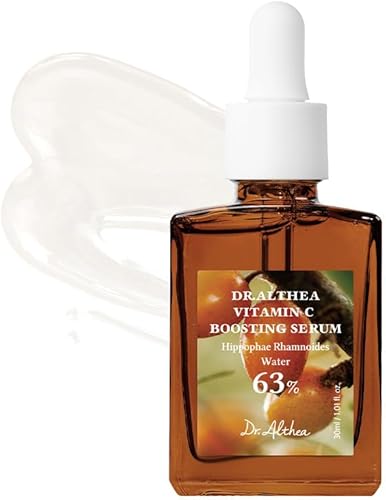
| Dr.Althea Vitamin C Boosting Serum | Tranexamic acid + vit C | Recent post-acne marks | Excellent |
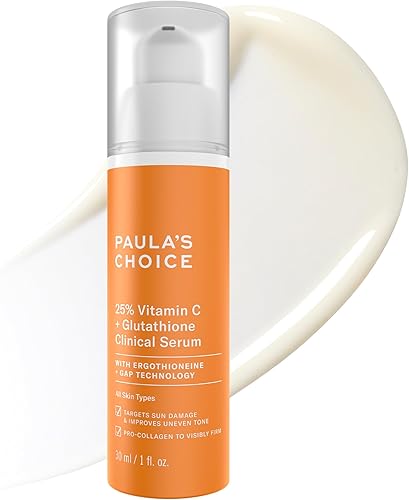
| Paula's Choice 25% Vit C + Glutathione | L-AA + glutathione | Tolerant Indian skin, dullness | Very good |
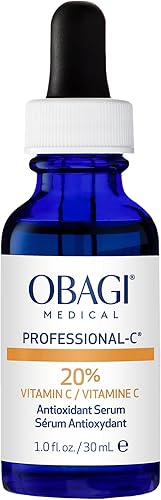
| Obagi Professional-C 20% | L-AA 20% | Resilient skin, deep PIH | Good if tolerated |
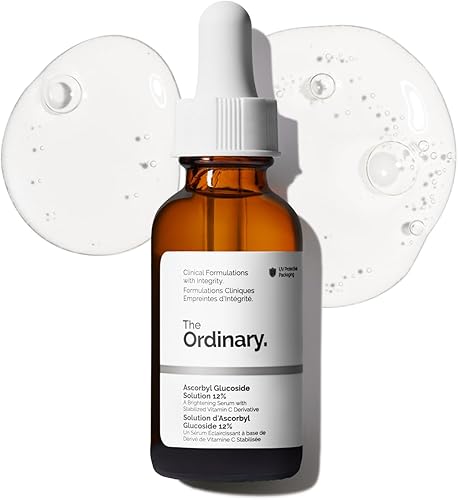
| The Ordinary Ascorbyl Glucoside 12% | Ascorbyl glucoside | Sensitive, beginner Indian skin | Very good (gentle) |
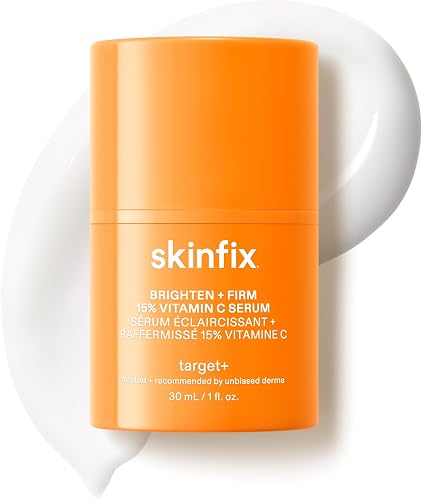
| Skinfix Brighten + Firm 15% Vit C | THD ascorbate + niacinamide | Sensitive PIH-prone skin | Excellent |
Dr.Althea Vitamin C Boosting Serum with Tranexamic Acid
This is the closest functional dupe to Clé de Peau on Amazon for Indian PIH because it pairs vitamin C with tranexamic acid — the exact anti-pigmentation combo Clé de Peau charges $200+ for. Korean formulators have understood melanin-rich skin needs for years, and Dr.Althea's brightening serum delivers a meaningful tranexamic acid dose without the L-ascorbic acid sting. Twice-daily use across 10–12 weeks consistently fades post-acne PIH on Fitzpatrick IV–V skin in published Korean dermatology trials. Check current pricing on Amazon.
Paula's Choice 25% Vitamin C Super Booster with Glutathione
Glutathione is the unsung hero of Indian dermatology clinics — it is the same molecule injected intravenously at Mumbai and Bangalore skin clinics for melasma. Paula's Choice combines a high-strength 25% L-ascorbic acid base with glutathione and other antioxidants, making it a strong option for Indian skin that has already proven it tolerates direct ascorbic acid without flaring. Patch-test on the jawline for three nights before applying to the full face. Available on Amazon.
Obagi Professional-C 20% Vitamin C Serum
Obagi's Professional-C line is a clinic staple in Indian dermatology offices for resilient skin types tackling years-old PIH and melasma. The 20% L-ascorbic acid concentration is high — only use this if you have previously tolerated 15% formulas without redness. Apply on alternate mornings for the first two weeks, then ramp to daily. Always layer with a mineral SPF 50+ to prevent the photo-oxidation that drives further pigment. Buy on Amazon.
The Ordinary Ascorbyl Glucoside Solution 12%
If your Indian skin has a history of flaring with potent acids, start here. Ascorbyl glucoside is a slow-release vitamin C derivative — your skin converts it to active L-ascorbic acid over hours, sidestepping the sting and irritation that drives more PIH. The Ordinary's 12% solution is the most affordable entry point into a PIH-targeting routine and pairs beautifully with niacinamide or alpha arbutin in the same morning. Available on Amazon.
Skinfix Brighten + Firm 15% Vitamin C Serum
Skinfix uses tetrahexyldecyl ascorbate (THD ascorbate) — an oil-soluble vitamin C derivative that penetrates better than L-AA without the low pH irritation. The 15% concentration plus added niacinamide makes this one of the most sensitive-skin-friendly luxury serums for Indian PIH. Particularly useful if you also have acne or rosacea-like flushing alongside pigment. Pick it up on Amazon.
Layering your Clé de Peau brightening serum Indian skin PIH routine
Even the best brightening serum will underperform without the right supporting cast. For Indian skin specifically, you want: a gentle low-pH cleanser (never a foaming sulphate that strips), the vitamin C serum on damp skin, niacinamide 5% (which calms the melanocyte signal), a ceramide moisturiser to reinforce the barrier, and — non-negotiably — a tinted mineral SPF 50+ with iron oxides. Iron oxides matter for Indian PIH because visible light, not just UV, drives melanin in Fitzpatrick IV–VI skin. A white-cast-prone zinc-only sunscreen without iron oxides will not block the wavelength that is making your marks stubborn. For more on combining actives, see our guide on pairing vitamin C with the rest of your routine.
At night, the partner to vitamin C is either azelaic acid 10–15% (excellent for Indian PIH and pregnancy-safe), tranexamic acid serum, or — for severely stubborn pigment — a dermatologist-prescribed retinoid or hydroquinone cycle. Never layer vitamin C with AHAs or BHAs in the same routine; the acid load will inflame Indian skin and create the very PIH you are trying to fade. Also see our breakdown of the top brightening serums for dark spots in 2026 for additional clinical-strength options worth pairing.
Frequently Asked Questions
Is Clé de Peau brightening serum safe for sensitive Indian skin prone to PIH?
Yes — Clé de Peau's brightening serum was formulated with melanin-rich skin in mind and uses derivative vitamin C rather than raw L-ascorbic acid, which makes it gentler than most 20%-strength competitors. However, anyone with active eczema, ongoing isotretinoin treatment, or known fragrance sensitivities should patch-test on the inner forearm for five consecutive nights. If you experience burning beyond the first application, stop — irritation drives more PIH, defeating the purpose.
Can I use Clé de Peau brightening serum with hydroquinone or kojic acid?
Most Indian dermatologists allow combining Clé de Peau's brightening serum (morning) with a hydroquinone 2–4% prescription (night) for short, supervised PIH cycles of 12–16 weeks. Kojic acid is gentler and can be layered in the same morning routine. Never layer with hydroquinone in the same application — separate AM and PM use is essential to avoid cumulative irritation that will trigger fresh marks.
How long until I see fading of PIH on Indian skin with vitamin C?
Realistic timelines for Fitzpatrick IV–VI skin with stubborn PIH: noticeable softening of recent marks at 6–8 weeks, meaningful lightening at 10–14 weeks, and full resolution of epidermal PIH at 4–6 months. Dermal pigment — the deeper greyish-blue cast from years-old marks — may take 9–12 months or require in-clinic procedures such as Q-switched laser or chemical peels in addition to topical vitamin C.
Is Clé de Peau brightening serum better than SkinCeuticals CE Ferulic for melanin-rich skin?
For pure PIH on Indian skin, Clé de Peau outperforms CE Ferulic because it targets tyrosinase directly via 4MSK and tranexamic acid. SkinCeuticals CE Ferulic is a phenomenal antioxidant and photoprotector, but its 15% pure L-ascorbic acid base can sting Indian skin and occasionally trigger more inflammation. Use CE Ferulic for anti-ageing, photoprotection, and dullness; reach for Clé de Peau (or a tranexamic acid alternative) when stubborn PIH is your primary concern.
Can pregnant Indian women use Clé de Peau brightening serum?
Vitamin C derivatives are generally considered safe during pregnancy, but tranexamic acid topicals fall in a grey area — most obstetricians prefer to avoid them. If you are pregnant and seeing pregnancy-induced melasma or PIH, ask your OB and dermatologist before starting Clé de Peau. Azelaic acid 10% is the safest evidence-based alternative for Indian skin in pregnancy and works on a complementary pigment pathway.
Does Clé de Peau brightening serum work on dermal pigmentation or only epidermal PIH?
Topical vitamin C serums — including Clé de Peau's — primarily target epidermal PIH (recent brown post-acne marks). Dermal pigmentation, which appears greyish-blue and sits in the deeper dermis, responds poorly to topicals alone and usually requires in-clinic Q-switched Nd:YAG laser, fractional pico, or oral tranexamic acid prescribed by an Indian dermatologist. Continue the topical alongside in-clinic treatment for compound benefit.
What sunscreen pairs best with Clé de Peau brightening serum for Indian skin?
A tinted mineral SPF 50+ with iron oxides is non-negotiable for Indian PIH. Iron oxides block the visible light that triggers melanin production in Fitzpatrick IV–VI skin — something standard zinc-only sunscreens miss. Look for SPF 50 PA++++ formulas explicitly labelled as tinted or with iron oxides on the ingredient list. Without this, the most expensive brightening serum on the market will struggle to keep up with daily pigment formation.
Key Takeaways
- Choosing the right Clé de Peau brightening serum Indian skin PIH means matching capacity and output ports to your actual devices
- Always check actual watt-hours (Wh), not just watts — runtime depends on Wh, not peak output
- Also covers: Cle de Peau Concentrated Brightening Serum Indian
- Also covers: luxury serum post inflammatory hyperpigmentation South Asian
- Also covers: Cle de Peau for Fitzpatrick IV PIH
- Compare price-per-Wh across models to find the best value for your budget